Nearly all espresso drinks start from the same base: a small, concentrated shot made by forcing hot water under pressure through finely ground coffee. What changes is what goes on top. A macchiato adds a little foamed milk, a cappuccino adds roughly equal parts steamed and frothed milk, a latte adds about twice as much steamed milk with a thin layer of foam, and an Americano adds hot water instead of milk. Once you see the menu as one shot plus varying amounts of milk, foam or water, the differences become easy to compare.
Key takeaways
- Espresso is the base for almost every drink on a café’s coffee menu.
- Cappuccino: roughly equal parts espresso, steamed milk and frothed milk.
- Latte: about one part espresso to two parts steamed milk, with a thin foam layer.
- Macchiato marks espresso with a little foam; Americano lengthens it with hot water.
- Names like flat white and cortado vary between cafés, so ask how they are made.
Espresso drinks side by side
The descriptions below follow Britannica’s entry on espresso for the classic drinks. Sizes and exact ratios differ between cafés and countries, so treat this as a map rather than a recipe.
| Drink | What is added to the espresso | Texture | How the coffee tastes |
|---|---|---|---|
| Espresso | Nothing | Small, syrupy, with crema | Most intense |
| Macchiato | A thin layer of foamed milk | Mostly coffee, a little softness | Very strong |
| Cortado or flat white | Steamed milk, little foam (varies by café) | Smooth and dense | Strong, rounded |
| Cappuccino | Steamed milk and frothed milk in roughly equal parts | Light and airy | Noticeable coffee |
| Latte | About twice as much steamed milk, thin foam | Creamy, gentle | Mild |
| Americano | Hot water | Thin, like filter coffee | Clear and longer |
| Mocha | Chocolate and milk (recipes vary) | Rich | Sweet, chocolatey |
Two practical patterns emerge. Moving down from espresso toward the latte, milk increases and coffee intensity falls. And the Americano sits apart: it keeps the flavor of espresso without milk, just longer.
The base: what makes espresso different
Britannica describes espresso as a strong brew produced by forcing hot water under pressure through finely ground coffee, and notes that the barista’s goal is to keep pressure and temperature consistent from shot to shot. Each shot depends on pressure, water temperature, the amount and fineness of the grounds, extraction time and the volume in the cup.
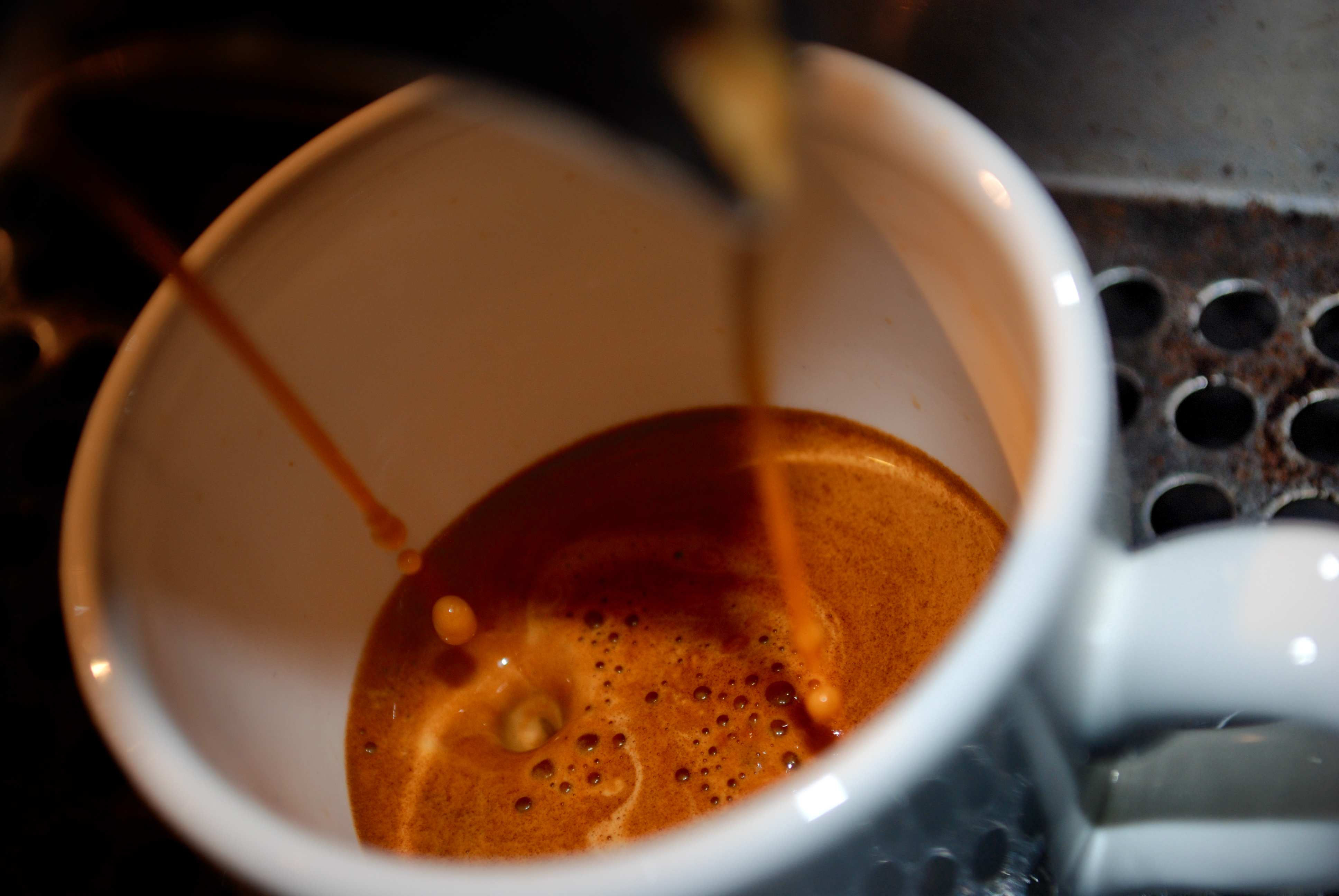
On top of a good shot sits crema, a golden to reddish-brown foam that lasts a minute or two and traps aromatics beneath it. A thick, even crema is a useful visual cue that a shot was pulled with care, though taste is the final test.
Cappuccino versus latte
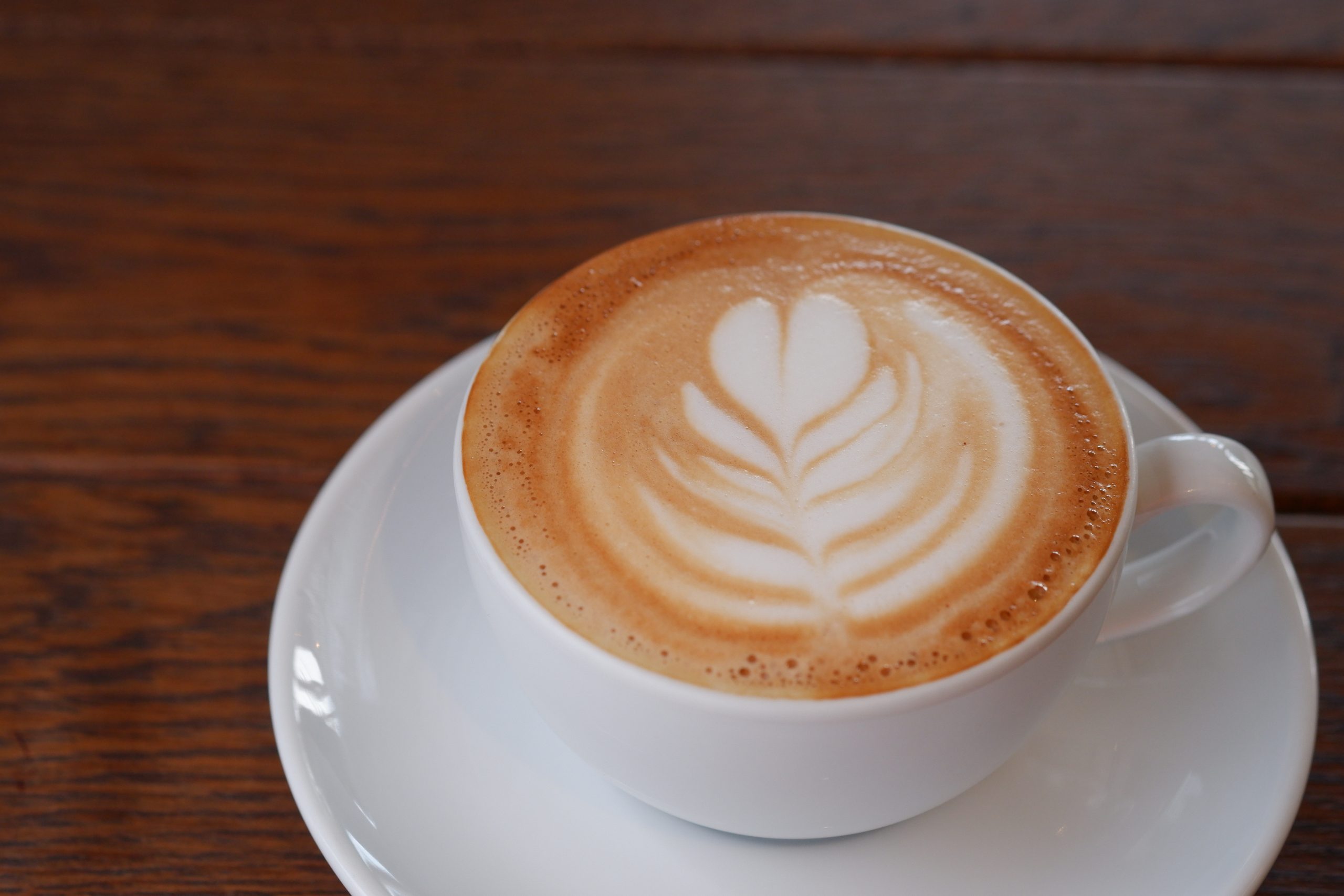
These are the two drinks people confuse most. The Britannica entry on cappuccino lays out the difference: a cappuccino is espresso, steamed milk and frothed milk in roughly equal parts, often in distinct layers, while a latte uses about one part espresso to two parts steamed milk with only a thin foam layer. Because it holds more milk, a latte tends to taste sweeter and milder.
The cappuccino’s name, Britannica explains, refers to the brown robes of the Capuchin friars. Its earliest form appears in 18th-century Viennese coffeehouses as the Kapuziner, made with coffee, whipped cream and usually sugar, and the Italian espresso version followed in the early 20th century.
Small milk drinks: macchiato, cortado and flat white
Here the names get slippery. Britannica defines the macchiato simply as espresso topped with a thin layer of foamed milk. The cortado and flat white have no single agreed definition; both describe a smaller drink with a higher proportion of coffee than a latte and less foam than a cappuccino, and cafés interpret them differently. If you like a stronger coffee taste with some milk, any of the three is a good place to start. Ask what cup size and milk ratio the café uses, as recommended in our guide to ordering at a specialty coffee shop.
Choosing among espresso drinks by time and mood
- First thing in the morning and hungry: a cappuccino or latte. Britannica notes that in Italy, milky coffee is traditionally a breakfast drink, and cappuccinos are seldom served after 10:00 or 11:00 in the morning.
- After lunch or dinner: an espresso or macchiato, following the same Italian custom.
- A long drink without milk: an Americano.
- Something to sip slowly while working: a latte, which stays pleasant as it cools.
Caffeine depends mostly on the number of shots, not on the milk. A large latte made with a single shot can contain less caffeine than a double espresso. For how much is sensible in a day, see our look at caffeine and focus.
Frequently asked questions
Which espresso drink is the strongest?
In taste, a straight espresso, followed by a macchiato. In caffeine, the drink with the most shots. Ask for a single or double to control it.
Is a flat white just a small latte?
They are close relatives. A flat white is usually smaller with less foam, so the coffee tastes more pronounced, but café definitions vary.
Can I order these drinks with plant-based milk?
Usually, yes. Plant-based milks steam and foam differently, so the texture of a cappuccino in particular may change. Baristas can suggest which milk works best in which drink.
Find your drink in two orders
Next time you visit a café, order a cappuccino one day and a flat white or cortado the next, and compare the balance of coffee and milk. That single experiment tells you more about your taste than any menu. If you are traveling, our guide to coffee culture around the world explains where these drinks came from. More guides are in our coffee section.