The best of the coffee brewing methods for you is the one that matches the cup you like, the amount you make and the time you are willing to spend. If you want a large, consistent pot with little effort, a drip machine is hard to beat. If you prefer body and texture, a French press delivers it. For a clean, nuanced single cup, try pour-over; for strong, small servings, a moka pot or espresso machine; and for a smooth cold drink, cold brew. The criteria below will help you choose without buying twice.
Key takeaways
- Start with the cup you enjoy, then match the method, not the other way round.
- Paper-filtered methods give a cleaner cup; immersion and metal-filtered methods give more body.
- Filtering also matters for health: unfiltered coffee contains more of the compounds that can raise LDL cholesterol.
- A consistent grind matters as much as the brewer; a burr grinder helps every method.
- Factor in cleaning time, because a brewer that is a chore to clean ends up in a cupboard.
Criterion one: what kind of cup do you like?
Every brewer pushes the cup in a direction.
- Clean and bright: paper-filtered methods such as pour-over and drip machines trap fine particles and oils, so the flavors read clearly.
- Full and textured: immersion with a metal mesh filter, as in a French press, lets more oils and fine particles through.
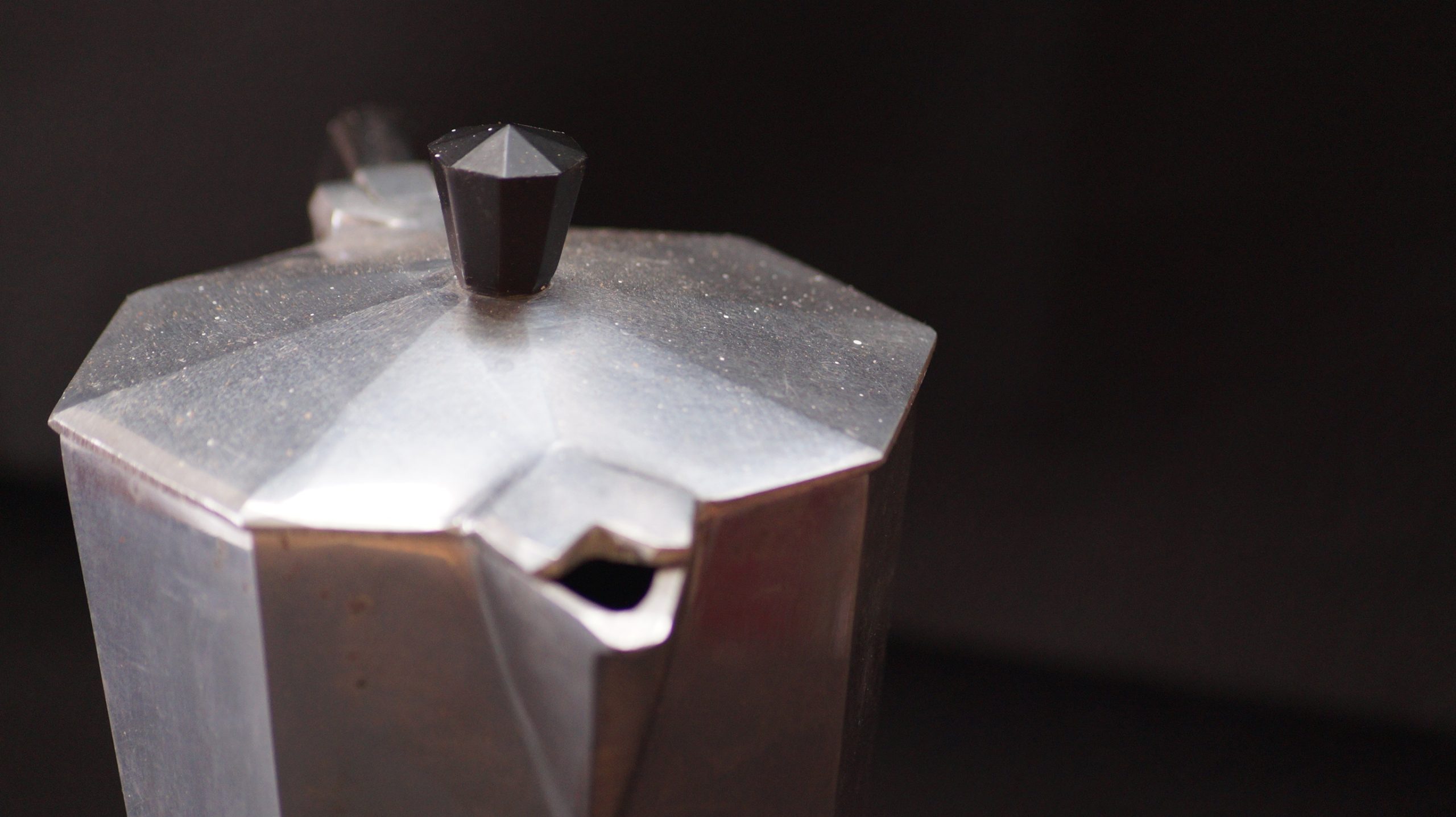
- Strong and concentrated: moka pots and espresso machines use less water relative to the coffee, so the result is intense and best in small servings.
- Smooth and cold: cold brew uses time instead of heat; the National Coffee Association describes it as smoother and less bitter than hot coffee that has been chilled.
Roast plays into this too. If you are still working out which roast suits you, our guide to coffee roast levels is a good companion.
Criterion two: filtered or unfiltered?
This choice affects more than taste. Harvard’s Nutrition Source on coffee explains that unfiltered coffee, such as French press or Turkish coffee, contains diterpenes, compounds that can raise LDL cholesterol and triglycerides. Espresso contains moderate amounts, while filtered drip coffee and instant coffee contain almost none, because filtering and processing remove them. If you have been advised to watch your cholesterol, a paper-filtered method is the sensible default.
Criterion three: effort, volume and routine
| Method | Typical volume | Hands-on effort | Taste profile | Cleanup |
|---|---|---|---|---|
| Drip machine | Several cups at once | Low | Clean, consistent | Rinse basket and carafe; descale periodically |
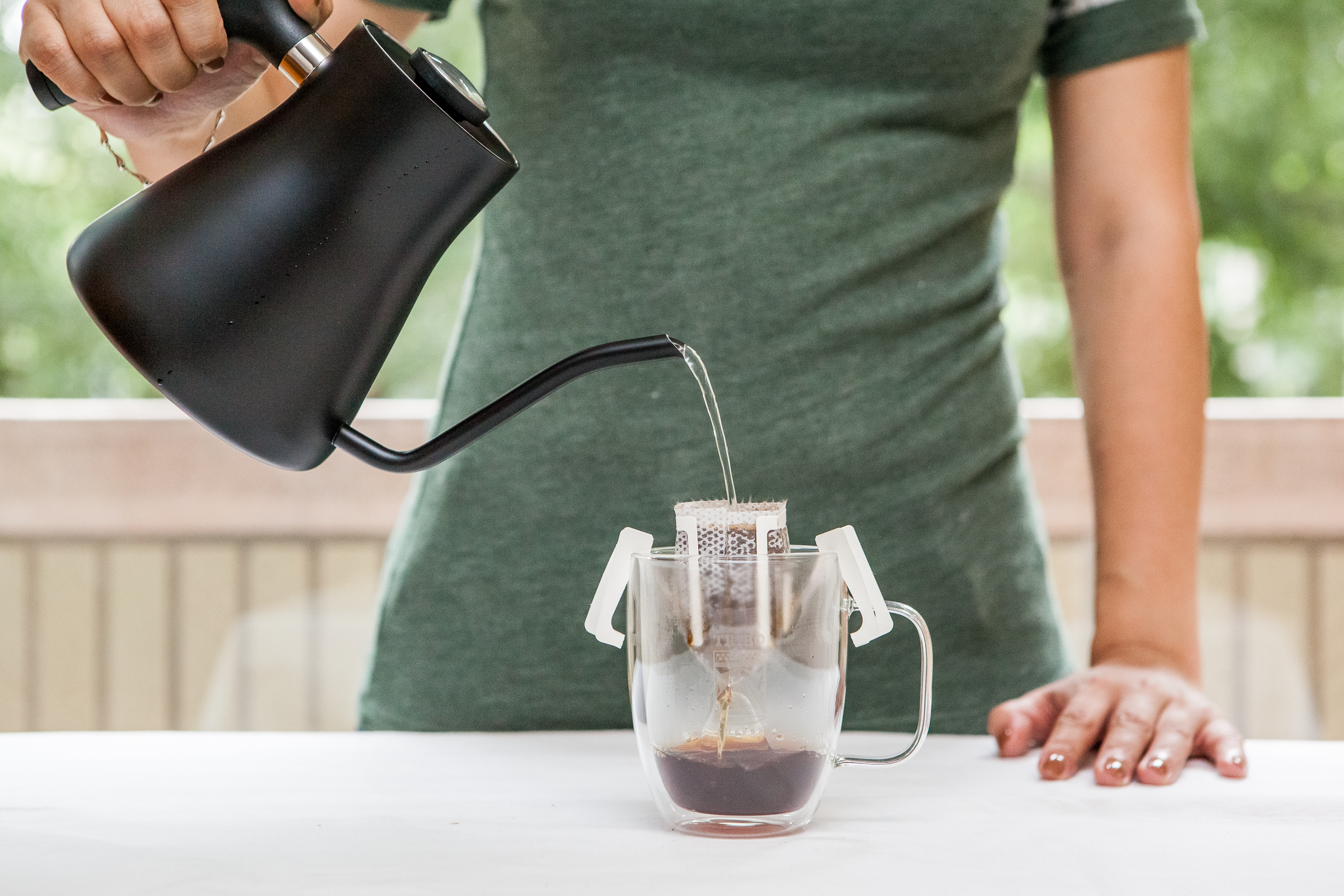
| Pour-over | One to a few cups | Medium to high | Clean, nuanced | Discard paper filter, rinse cone |
| French press | One to several cups | Low to medium | Full-bodied, textured | Dismantle and wash filter each time |
| Moka pot | Small, strong servings | Medium | Intense, concentrated | Rinse parts; let them dry fully |
| Espresso machine | One or two shots at a time | High | Concentrated, versatile for milk drinks | Daily rinsing plus regular maintenance |
| Cold brew | A batch for several days | Low, but needs planning | Smooth, low bitterness | Strain and wash the jar or filter |
The National Coffee Association’s brewing guides add useful specifics. For a French press, it suggests a coarse grind, water around 93 degrees Celsius plus or minus 3, about four minutes of contact and a ratio of 1 gram of coffee to 10 to 16 grams of water, with the coffee poured off promptly so it does not turn bitter. For drip brewing it suggests a medium grind and roughly five minutes of contact. For cold brew it suggests about 12 hours of steeping at a ratio of 1 to 4 or 5, which produces a concentrate you dilute to taste.
Criterion four: the grinder and the water
A brewer is only as good as what goes into it.
- Grinder: the National Coffee Association notes that a burr grinder produces a more consistent grind than a blade grinder. Consistency helps every method extract evenly.
- Grind size: coarse for French press and cold brew, medium for drip, finer for espresso. If coffee tastes bitter, try coarser; if it tastes flat or watery, try finer.
- Freshness: buy whole beans and grind just before brewing where you can.
- Water: use fresh, cold water, filtered if your tap water tastes strong. The association advises against distilled or softened water.
Criterion five: cleaning and maintenance
Old coffee oils make fresh coffee taste stale and bitter, so think about upkeep before you buy.
- Drip machines need the basket and carafe washed regularly, and the association suggests descaling every three to six months, following the manufacturer’s instructions.
- French presses should be taken apart and washed after each use, including the mesh filter.
- Pour-over cones are the easiest: throw away the paper filter and rinse.
- Espresso machines reward daily attention and regular maintenance.
Matching coffee brewing methods to people
- Busy household that drinks a lot: drip machine.
- Weekend hobbyist who likes to tinker: pour-over, perhaps with a kitchen scale.
- Someone who loves a rich, heavy cup: French press, keeping the filtering note above in mind.
- Fan of milk drinks: espresso machine; our guide to espresso drinks explains what you can make with one.
- Hot-weather drinker: cold brew, made in batches.
Frequently asked questions
Which brewing method makes the strongest coffee?
Strength depends mostly on the ratio of coffee to water. Moka pots and espresso use little water relative to coffee, so they taste strongest per sip. Caffeine per cup depends on serving size too, as our explainer on caffeine content shows.
Do I need a scale to brew good coffee?
No, but it helps with consistency, especially for pour-over. Measuring spoons work well for drip machines and presses.
Is cold brew the same as iced coffee?
No. Iced coffee is brewed hot and then cooled. Cold brew is made with room-temperature or cold water over many hours.
Choosing your brewer
Write down how many cups you make on a typical morning, how long you want to spend, and whether you prefer clean or full-bodied coffee. The method that fits all three is your answer. For more on beans, roasts and brewing, explore our coffee guides.