Coffee culture around the world splits along a few clear lines: how the coffee is brewed, how long you are expected to stay, who serves whom, and what arrives alongside the cup. If you are traveling and want to choose the coffee experiences worth seeking out, judge each tradition on those four points. A Turkish coffeehouse invites slow conversation, an Arabic coffee service follows a strict etiquette of hospitality, a Viennese coffee house lets you sit for hours over one cup, and an Italian espresso bar is built for a quick stop at the counter.
Several of these traditions are recognized as cultural heritage, which makes them easy to read about before you go.
Key takeaways
- Judge a coffee tradition by brew method, pace, etiquette and what is served alongside.
- Turkish coffee comes in small cups with a glass of water and is made for conversation.
- Arabic coffee service follows clear rules: guests and elders first, right hand, shake the cup when done.
- The Viennese coffee house sells time and space as much as coffee.
- Espresso was designed for speed, and many espresso bars still work that way.
Choosing which coffee culture around the world to try
Before picking where to go, decide what you want from the experience. These criteria help.
| Criterion | Questions to ask | Traditions that suit it |
|---|---|---|
| Pace | Do you want to linger or drop in? | Linger: Viennese, Turkish. Drop in: espresso bar |
| Etiquette | Are you happy to learn a set ritual? | Arabic coffee service, Turkish coffee |
| Brew style | Unfiltered, filtered or pressure-brewed? | Unfiltered: Turkish. Espresso: Italian |
| Setting | Home hospitality or public café? | Home: Arabic, Turkish. Public: Viennese, espresso bar |
| Food alongside | Sweet bite, pastry or nothing? | Sweets with Turkish coffee, cake in Vienna |
None of these is better than another. They answer different needs, and the best trips often include more than one.
Turkish coffee: conversation in a small cup
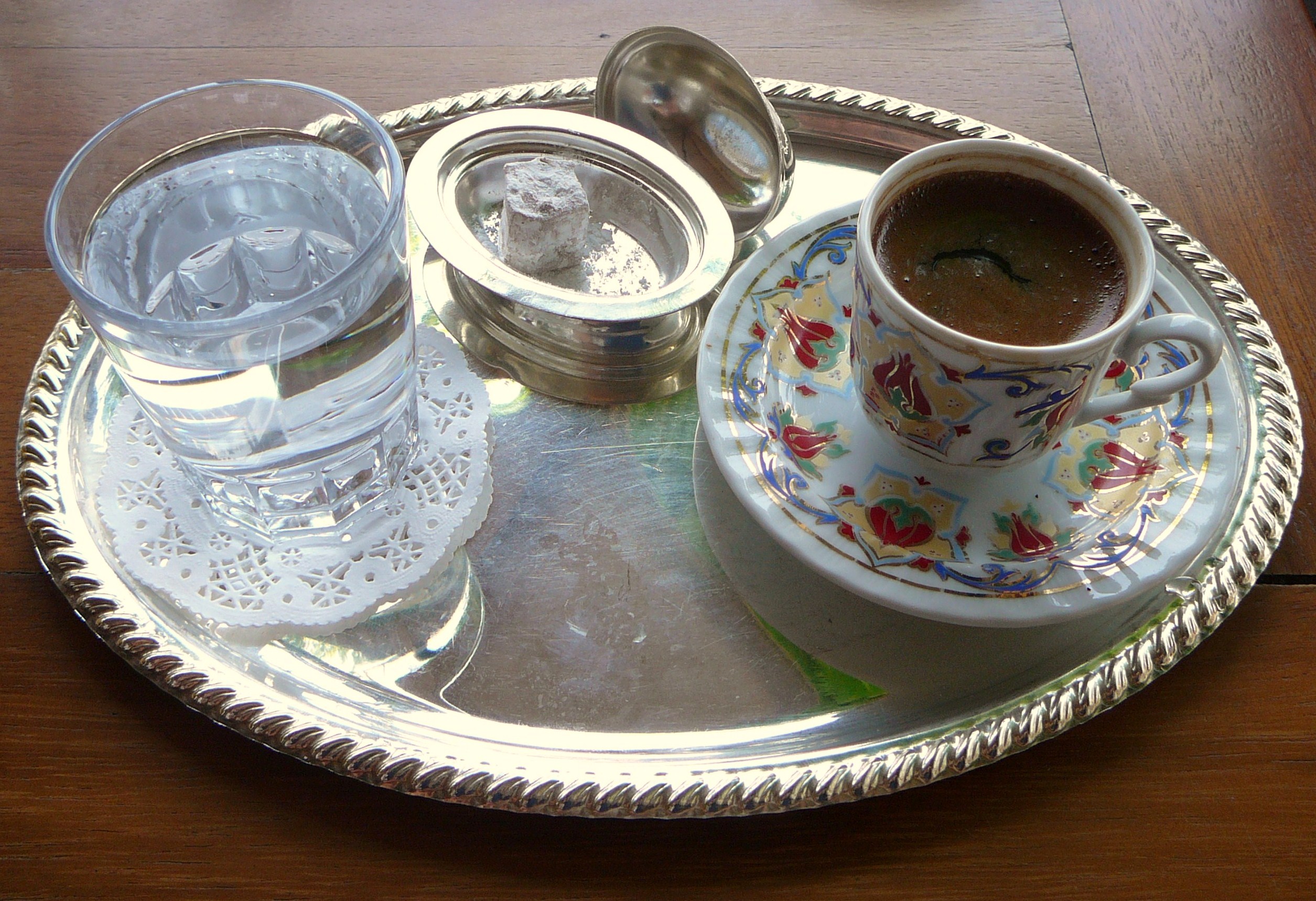
UNESCO added Turkish coffee culture and tradition to its Representative List of the Intangible Cultural Heritage of Humanity in 2013. Its description covers the essentials: freshly roasted beans are ground finely, then cold water and sugar are added to a coffee pot and heated slowly until the desired foam forms. The coffee is served in small cups with a glass of water.
What to look for when choosing where to try it:
- A place that prepares each pot to order, since the foam is part of the point.
- Time to sit. UNESCO describes the tradition as a symbol of hospitality, friendship and refinement, and coffeehouses as places to meet, chat, exchange news and read.
- Patience at the bottom of the cup. The grounds settle there; sip gently and stop before you reach them. The grounds are sometimes used to read fortunes.
If you are asked how sweet you want it, answer before it is made: the sugar goes into the pot, not the cup.
Arabic coffee: hospitality with clear rules
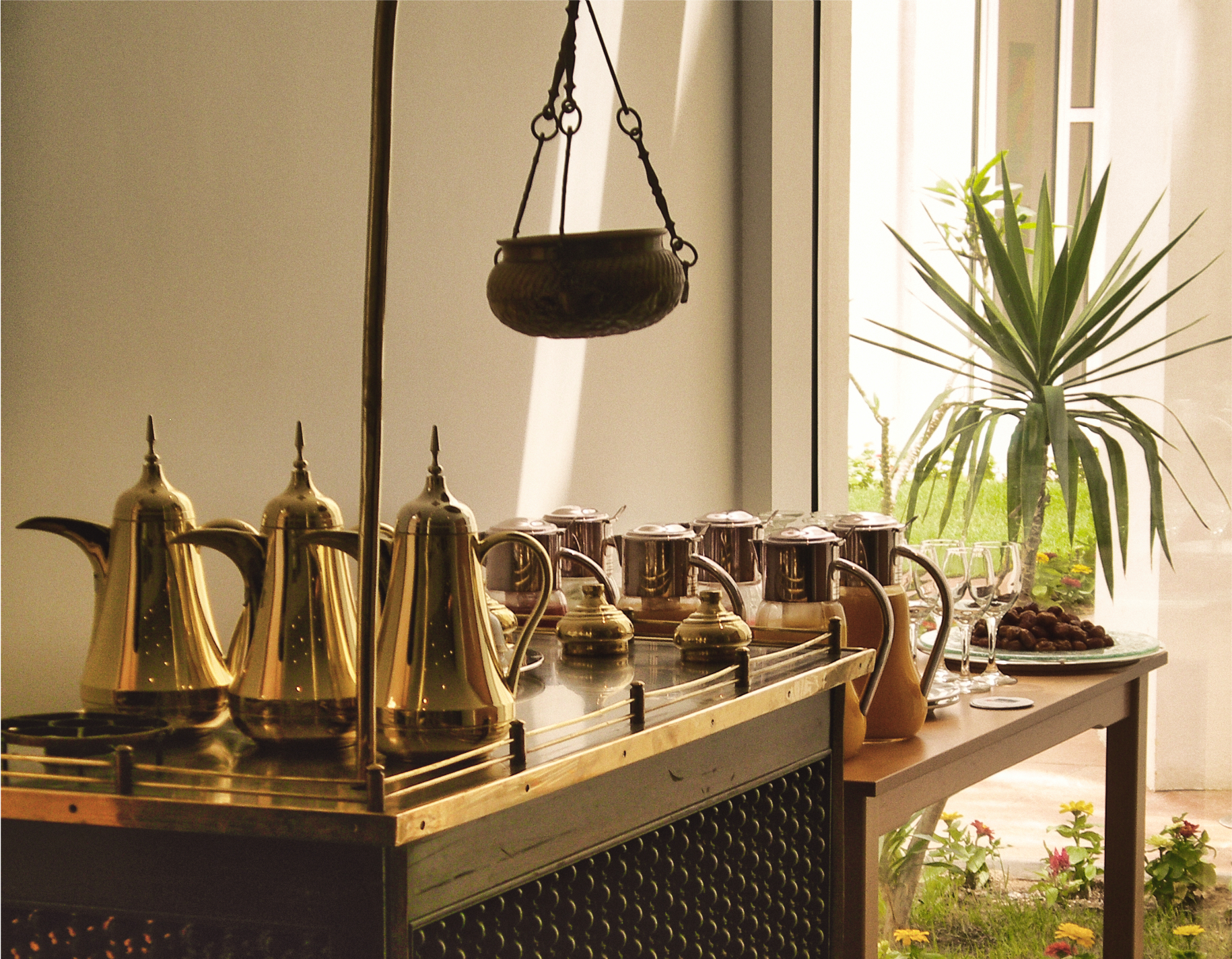
In 2024, UNESCO inscribed Arabic coffee as a symbol of generosity, submitted by the United Arab Emirates, Oman, Qatar, Saudi Arabia and Jordan. It is served at weddings and tribal gatherings and is a daily ritual for many people.
The etiquette is the part a visitor should learn before accepting a cup:
- Older people and guests are served first.
- The coffee is poured with the right hand.
- When you have had enough, shake your cup gently to signal that you are done.
This is coffee as welcome rather than as a menu item. If you are offered it in a home or at an event, watch how others take their cups and follow their lead.
The Viennese coffee house: time on the table
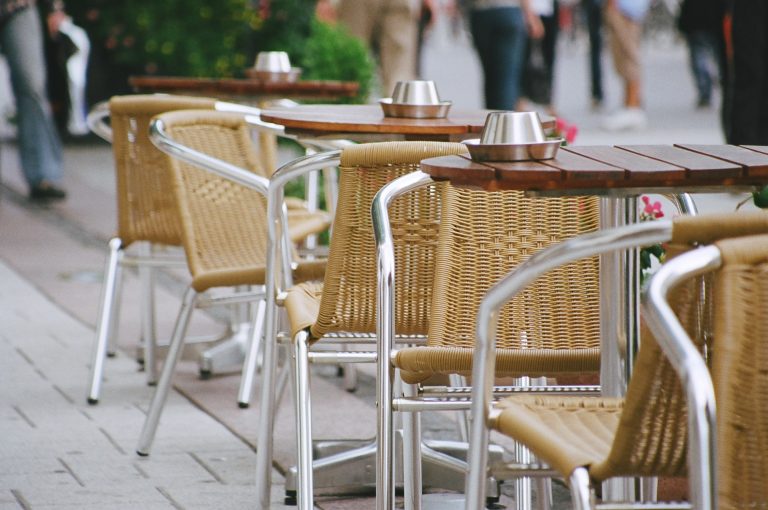
Austria added Viennese coffee house culture to its national inventory of intangible cultural heritage in 2011. The UNESCO Austria entry describes the coffee house as a place in which time and space are consumed, but only the coffee is listed on the bill, and notes its typical furnishings: small marble-topped tables, bentwood chairs, alcoves and tables for newspapers.
Choose this kind of café when you want a long, quiet stretch: reading, writing or talking. Order a coffee and perhaps a slice of cake, and do not expect anyone to hurry you. If you are used to working from cafés at home, this is the original model of the café as a place to stay.
The Italian espresso bar: built for speed
Britannica dates espresso to late 19th- and early 20th-century Italy and notes that the name refers to speed; the drink and its machine were presented at the Milan fair of 1906. Machines of the early 1900s cut brewing time to seconds, and many espresso bars still feel designed around that idea, with a counter where you can order, drink and leave quickly. Choose one when you want a short, strong coffee and a quick sense of local routine. If you want to sit for a while, look for table seating and expect a slower service style.
The drink names you know from your local specialty coffee shop usually began in this tradition, although cup sizes and milk ratios abroad can differ from what you are used to.
Frequently asked questions
Do I need to tip in coffee houses abroad?
Customs differ by country and type of venue. Check an official tourism source for the place you are visiting rather than relying on habits from home.
Is Turkish coffee the same as Arabic coffee?
No. They are separate traditions with their own preparation and etiquette, recognized separately by UNESCO. Turkish coffee is made by slowly heating finely ground coffee with cold water and sugar in a pot; Arabic coffee service follows the customs of hospitality described above.
Can I bring a laptop to a Viennese coffee house?
Practices vary by café. The tradition is about lingering, but many traditional houses are better suited to newspapers and conversation than screens. Look around before setting up.
Plan a coffee stop with intent
Before your next trip, pick one coffee tradition at your destination and read about its etiquette in advance. Ask whether you want speed or a long sit, ritual or relaxation, and choose a place that matches. If tea is more common where you are going, compare the local leaves using our guide to the types of tea. For more on cafés and how they work, browse our café culture articles.