The caffeine content of coffee and tea varies far more than most menus suggest. As a rough guide, a typical 8-ounce cup of brewed coffee holds about 95 milligrams, a single espresso around 80, and a cup of black tea around 50, but real drinks can land well above or below those figures. Bean type, roast, grind, brewing time, water temperature and above all cup size all move the number. Knowing which of those factors matter most helps you read reference figures sensibly and make better choices.
Key takeaways
- Brewed coffee generally carries more caffeine per cup than tea, and tea more than most colas.
- Reference figures are averages; real drinks vary widely with recipe and serving size.
- Espresso is concentrated per sip, but a single shot can contain less caffeine than a large mug of filter coffee.
- Darker roasts do not have more caffeine; lighter roasts are slightly higher by concentration.
- For healthy adults, official bodies in the U.S. and Europe use 400 milligrams a day as a reference point.
What the official figures say about caffeine content
Two public bodies publish handy reference numbers. The European Food Safety Authority gives typical amounts per serving in its caffeine overview, and the U.S. Food and Drug Administration gives ranges for 12-ounce drinks in its consumer guide to caffeine.
| Drink | Serving | Typical caffeine | Source |
|---|---|---|---|
| Espresso | 60 ml | about 80 mg | EFSA |
| Filter coffee | 200 ml | about 90 mg | EFSA |
| Regular brewed coffee | 12 fl oz | 113 to 247 mg | FDA |
| Black tea | 220 ml | about 50 mg | EFSA |
| Black tea | 12 fl oz | 71 mg | FDA |
| Green tea | 12 fl oz | 37 mg | FDA |
| Cola | 355 ml can | about 40 mg | EFSA |
| Plain chocolate | 50 g | about 25 mg | EFSA |
Two things jump out. First, the FDA range for brewed coffee is wide: the top of it is more than double the bottom. Second, serving size changes everything. A 12-ounce mug holds about 355 milliliters, so it is not comparable with EFSA’s 200-milliliter filter coffee without scaling.
Why the numbers vary so much
Several factors push caffeine up or down in the cup:
- Serving size. The simplest and biggest factor. A large takeaway cup can hold two or three times what a small café cup holds.
- Coffee-to-water ratio. More coffee per cup means more caffeine, whatever the method.
- Brewing method and time. Longer contact between water and grounds extracts more of everything soluble, caffeine included.
- The beans themselves. Different species and growing conditions produce beans with different caffeine levels, which is one reason the arabica and robusta debate comes up so often.
- Concentrates. Cold brew is often made strong and diluted afterwards. The National Coffee Association’s cold brew guide suggests a ratio of 1 gram of coffee to 4 or 5 grams of water, so how much you dilute it decides what ends up in your glass.
- Leaf grade in tea. In powdered green tea the picture is wider still: a 2018 review in Nutrients found caffeine ranging from roughly 6 to 44 mg per gram across matcha samples, partly because young leaves and buds hold more caffeine than mature ones.
Espresso versus brewed coffee
Espresso surprises people. Sip for sip it is far more concentrated, which is why it feels strong. Yet EFSA’s reference espresso (about 80 mg in 60 ml) carries a little less caffeine than its reference cup of filter coffee (about 90 mg in 200 ml). Where espresso drinks climb is in the number of shots: a latte or flat white made with two shots doubles the dose. Our guide to espresso drinks explains how the common café drinks are built, which helps you count shots when you order.
Does roast level change caffeine?
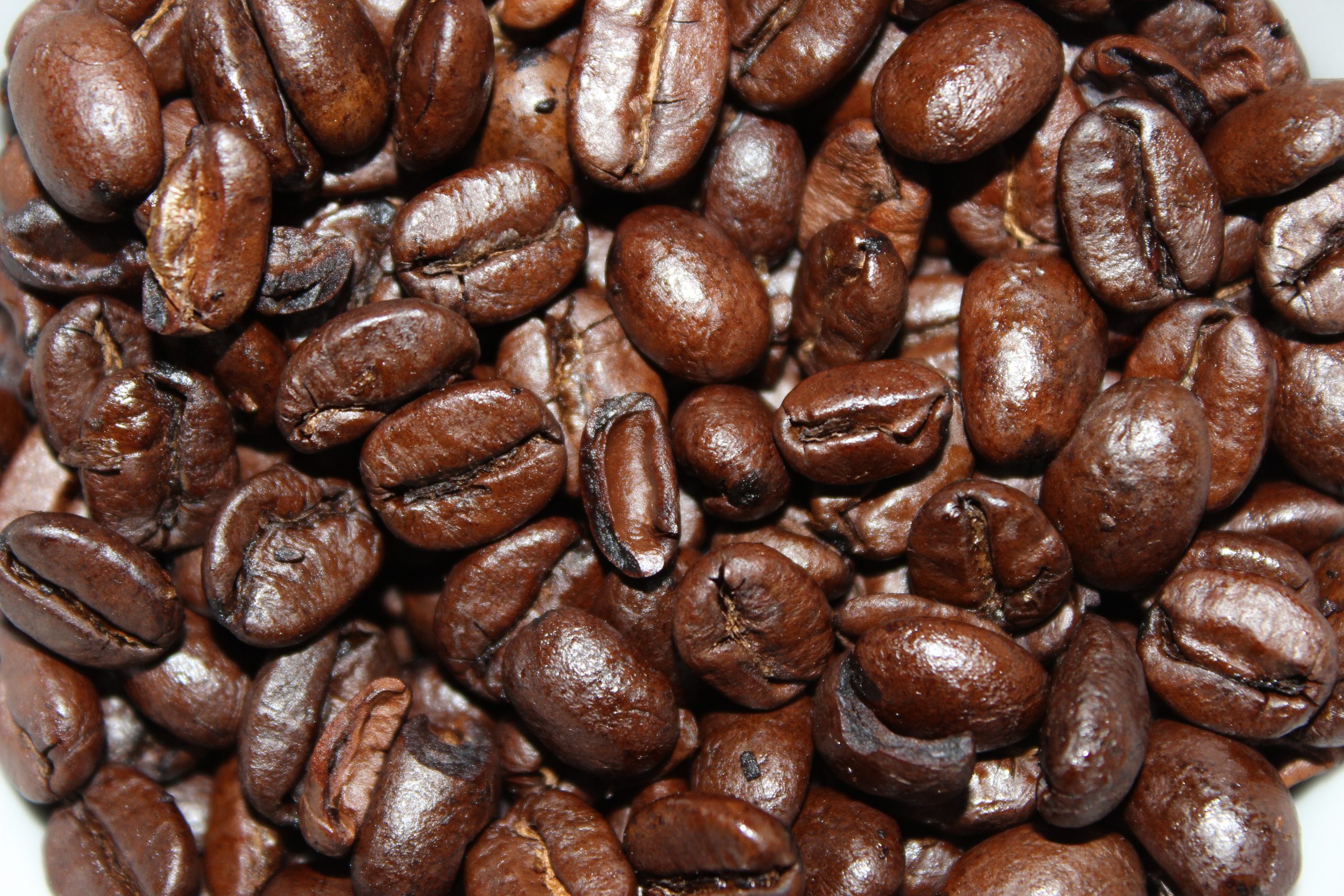
A common belief is that dark, bitter-tasting roasts are “stronger” in caffeine. Harvard’s Nutrition Source on coffee calls this a myth and notes that lighter roasts have a slightly higher caffeine concentration than darker roasts. The difference is modest, though, and the brewing ratio and cup size usually matter far more than roast. If you want to understand what roasting does to flavor, see our explainer on coffee roast levels.
How much is a sensible amount?
Both the FDA and EFSA use 400 milligrams a day as an amount not generally associated with harmful effects for healthy adults. EFSA adds that single doses of up to 200 milligrams are of no safety concern for healthy adults, and that a single dose of 100 milligrams may affect sleep in some people if taken close to bedtime. EFSA advises up to 200 milligrams a day from all sources during pregnancy and breastfeeding. Children are a separate case: the FDA notes that the Dietary Guidelines for Americans advise avoiding caffeinated drinks for children under 2, and that the American Academy of Pediatrics advises against energy drinks for children and teens. For adults, sensitivity varies a great deal, so the right amount for you depends on how you sleep and feel.
Frequently asked questions
Does tea have less caffeine than coffee?
Usually, cup for cup. The FDA lists 71 mg for 12 ounces of black tea and 37 mg for green tea, against 113 to 247 mg for the same volume of brewed coffee. A strong, long-steeped tea or a bowl of matcha can narrow the gap.
Is decaf completely caffeine-free?
No. According to the FDA, decaf typically contains 2 to 15 milligrams per 8-ounce cup.
How can I estimate the caffeine content of my usual drink?
Start with the closest reference figure in the table, then scale it to your real cup size and the number of espresso shots or scoops you use. Treat the result as an estimate, not a precise count.
Using caffeine numbers wisely
Treat published figures as starting points, then adjust for the size of your cup and the way your drink is made. If you are trying to reduce your intake, our checklist for cutting back turns these numbers into a gradual plan. More coffee explainers are in our coffee section.