Decaf coffee is regular coffee with most of its caffeine removed before roasting, not a separate kind of bean, and it still contains a small amount of caffeine. In the United States, a typical 8-ounce cup of decaf has about 2 to 15 milligrams, according to the Food and Drug Administration, compared with roughly 95 milligrams in an average cup of regular brewed coffee. Decaf keeps much of the flavor and ritual of coffee, and research on coffee and health has found benefits for decaf as well as regular. Several popular beliefs about it are wrong, so here they are one by one.
Key takeaways
- Decaf is not caffeine-free; expect a few milligrams per cup.
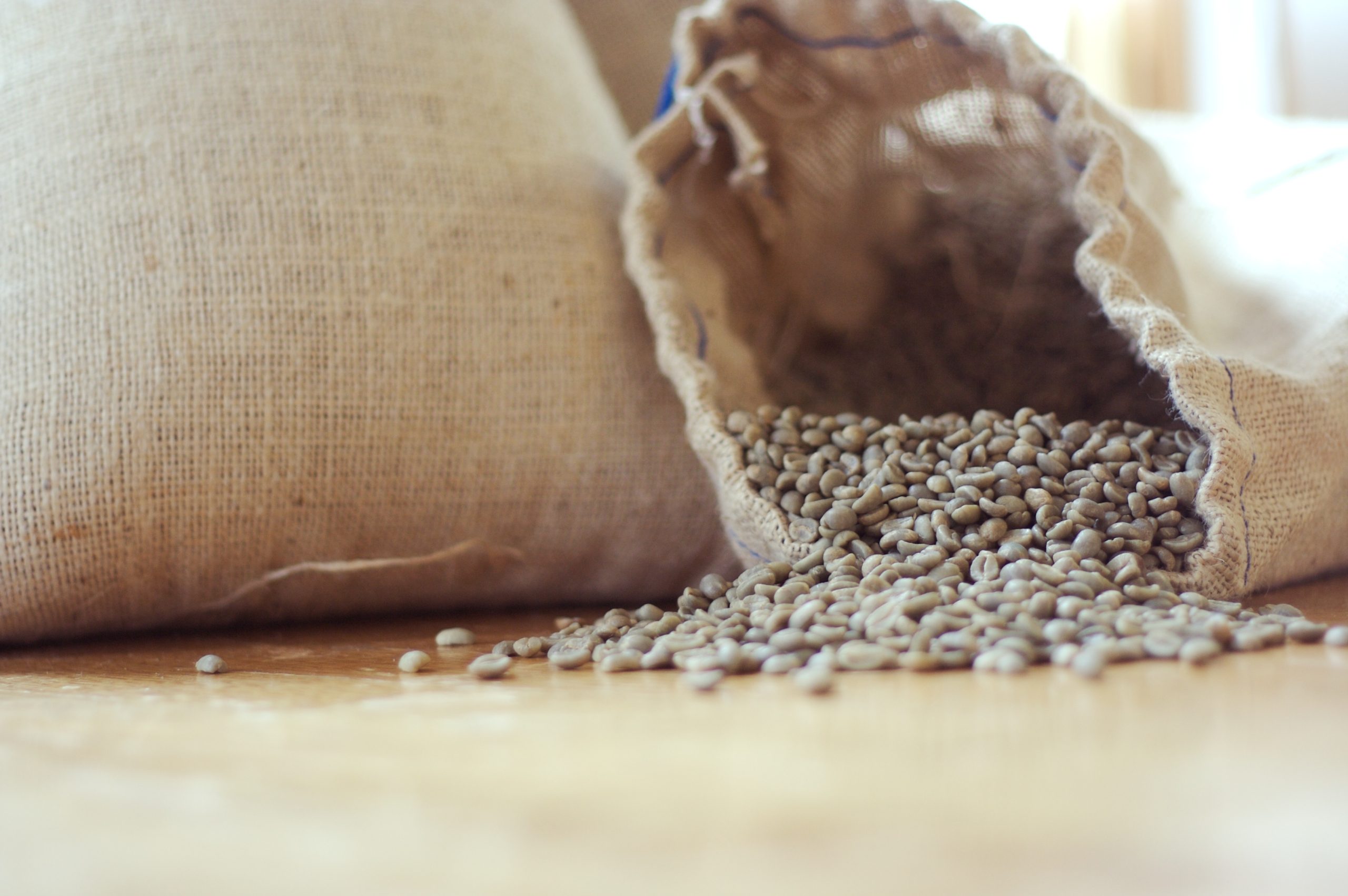
- Caffeine is removed from green, unroasted beans, which are then roasted as usual.
- Methods include solvents, water with carbon filtering, and carbon dioxide.
- Studies summarized by Harvard nutrition researchers link decaf with health benefits similar to regular coffee.
- People who are very sensitive to caffeine may want to limit even decaf.
Myth: decaf coffee has no caffeine
Fact: It has a little.
The FDA’s consumer guide to caffeine, Spilling the Beans, says decaf coffee still contains caffeine, typically 2 to 15 milligrams per 8-ounce cup, and that people who react strongly to caffeine may want to avoid it. Britannica’s article on coffee puts it simply: coffee is never 100 percent caffeine-free.
For context, Harvard’s Nutrition Source on coffee notes that U.S. rules require at least 97 percent of the caffeine to be removed for coffee to be labeled decaffeinated, which is why trace amounts remain. Several cups of decaf add up, but the total stays far below what the same number of regular cups would deliver. Our explainer on caffeine content in coffee and tea puts these numbers alongside tea and espresso.
Myth: decaf comes from naturally caffeine-free beans
Fact: Decaf starts as ordinary green coffee.
Britannica explains that caffeine is removed at the green bean stage, before roasting. The decaffeinated beans are then roasted, ground and brewed like any others. That means decaf can come from the same origins, varieties and roast levels as regular coffee, and you can choose it with the same care.
Myth: all decaf is made with harsh chemicals
Fact: There are several methods, and not all use solvents.
Britannica lists the main approaches as chemical solvents, carbon filtering, carbon dioxide extraction and triglycerides, and notes that decaffeination methods were developed in the late 19th and early 20th centuries. The Harvard Nutrition Source names methylene chloride and ethyl acetate as the solvents used, and carbon dioxide as a non-solvent alternative.
| Method family | How it works in brief | What to look for on a bag |
|---|---|---|
| Solvent-based | A solvent is used to remove caffeine | Sometimes labeled with the solvent’s name |
| Water with carbon filtering | Water and carbon filters are used to remove caffeine | Often described as a water process |
| Carbon dioxide | Carbon dioxide is used to extract caffeine | Often described as a CO2 process |
If the method matters to you, check the bag or ask the roaster; many specialty roasters state it.
Myth: decaf has none of coffee’s health benefits
Fact: Research summaries suggest decaf shares many of them.
The Harvard Nutrition Source reports that decaf offers health benefits similar to caffeinated coffee. It cites findings that decaf was associated with a lower risk of type 2 diabetes, and that both caffeinated and decaf coffee were associated with a lower risk of early death in research on moderate coffee drinking. These are associations from studies of large groups, not guarantees, but they suggest decaf is more than a placebo. The same source notes that people who have trouble controlling their blood pressure may want to moderate their coffee intake, and for them decaf can be a practical way to keep the habit while cutting most of the caffeine, ideally after talking it through with a doctor.
Myth: decaf always tastes flat
Fact: Processing can soften flavor, but good decaf is very drinkable.
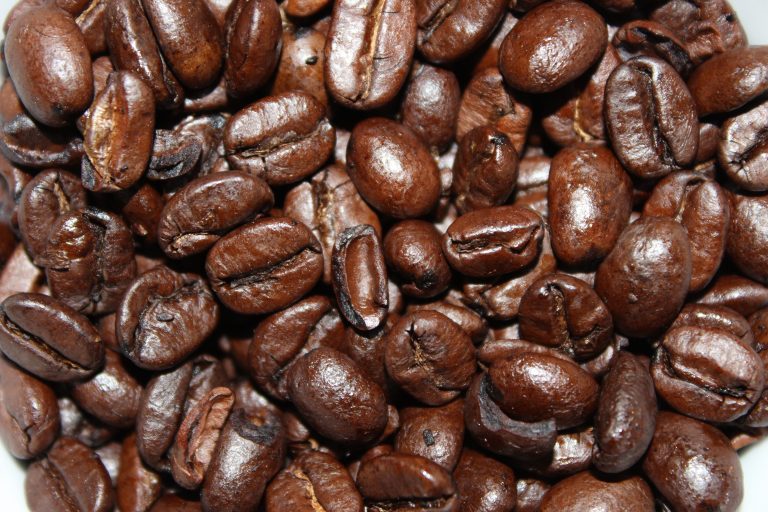
Harvard notes that decaffeination methods can reduce flavor. In practice, the same things that make regular coffee taste good apply to decaf: fresh roasting, good storage, a sensible grind and careful brewing. Decaf espresso drinks, where milk and crema carry much of the experience, are an easy place to start.
Myth: decaf is only for people who are cutting out caffeine completely
Fact: Many people use it to manage timing and quantity.
Decaf works well as the second or third cup of the day, as an after-dinner coffee or as part of a gradual reduction. Our checklist for cutting back on caffeine uses half-caf and decaf as stepping stones, and a decaf espresso is a good partner for a late dessert, as our coffee and dessert pairing checklist suggests.
Frequently asked questions
Is decaf coffee safe during pregnancy?
Decaf contains far less caffeine than regular coffee, but it is not caffeine-free. The FDA advises anyone who is pregnant, trying to become pregnant or breastfeeding to ask a health care provider whether to limit caffeine, so that is the best person to ask about decaf too.
Can I drink decaf in the evening?
Most people can, because the caffeine is low. If you are very sensitive, try it earlier first and see how you sleep.
Does decaf coffee dehydrate you?
Coffee, decaf or regular, is mostly water. With so little caffeine, decaf can count toward your fluids like any other mild drink.
Choosing a decaf you enjoy
Buy decaf from a roaster who tells you the origin, roast date and decaffeination method, store it as carefully as regular beans, and brew it the way you brew your favorite coffee. More coffee explainers are waiting in our coffee section.