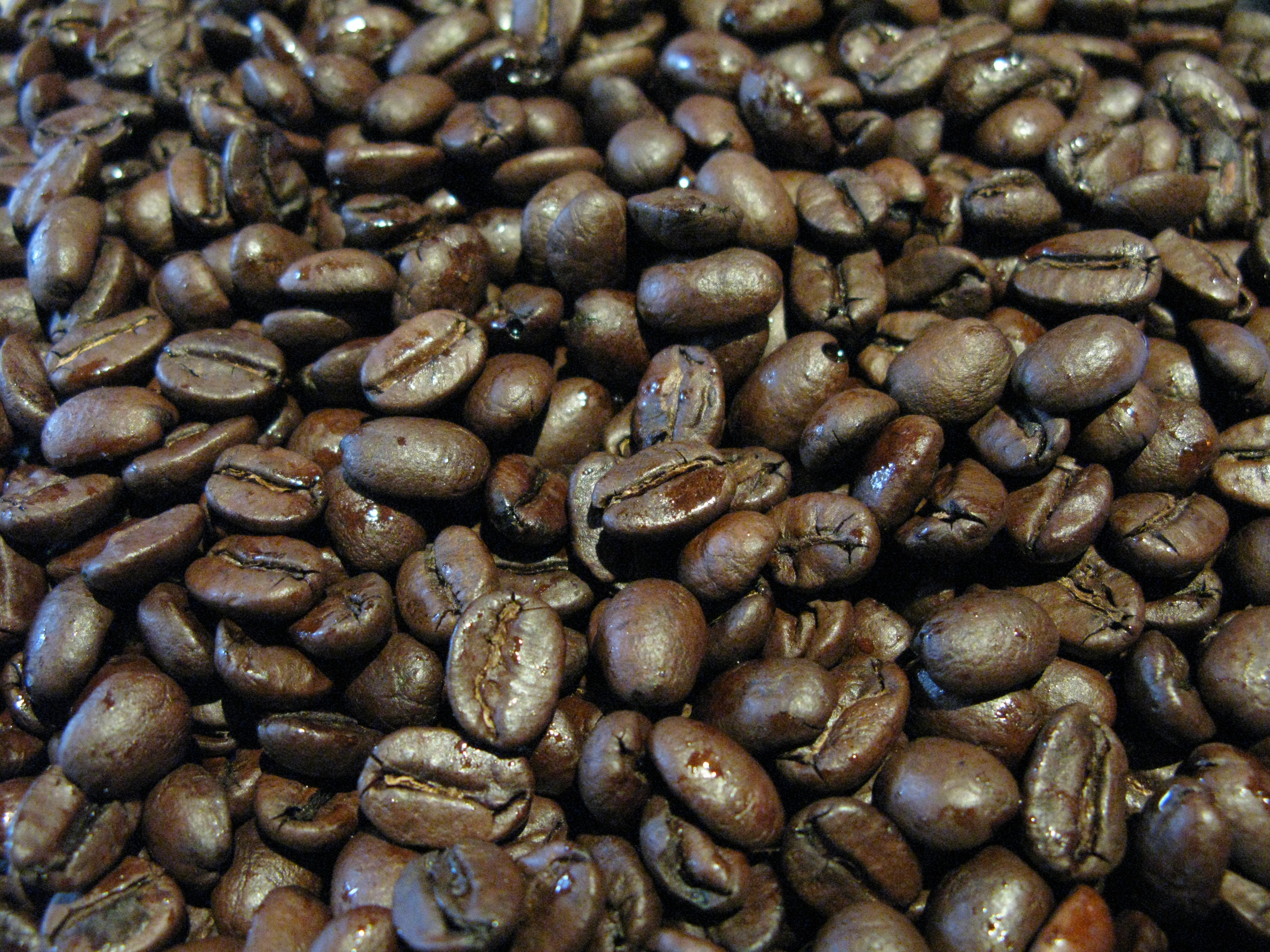
Coffee roast levels describe how far beans have been taken in the roaster, from light brown to shiny near-black. Light roasts are roasted for less time, keep more of the bean’s original character and taste brighter and more acidic. Medium roasts are rounder and more balanced. Dark roasts taste bolder and more bitter, with oil showing on the surface. Roast changes flavor far more than it changes caffeine, and the names printed on bags are not standardized, so the color, the surface and the roaster’s tasting notes tell you more than the label alone.
Key takeaways
- Roasting heats green beans to develop aroma and flavor, in roughly 7 to 20 minutes.
- Light roasts taste brighter and more acidic; dark roasts taste bolder and more bitter.
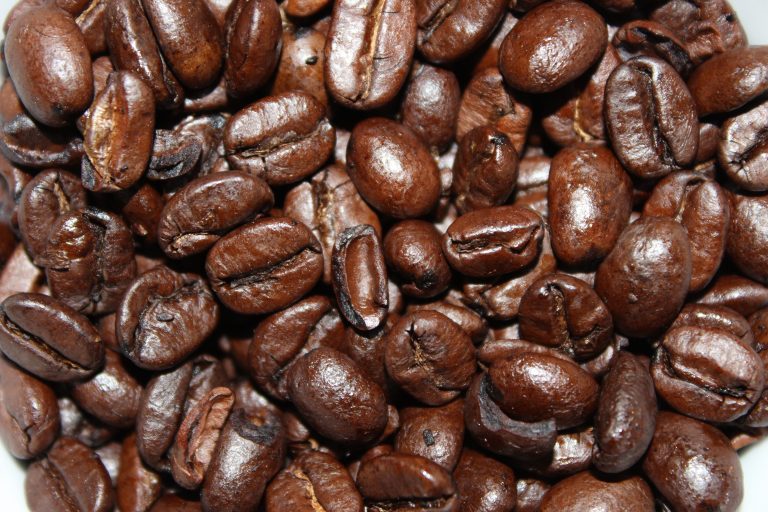
- Oil on the bean surface is a sign of a dark roast.
- Dark roast does not mean more caffeine.
- Roast names such as City, Vienna or French are not standardized, so judge by color and notes.
What roasting does to a coffee bean
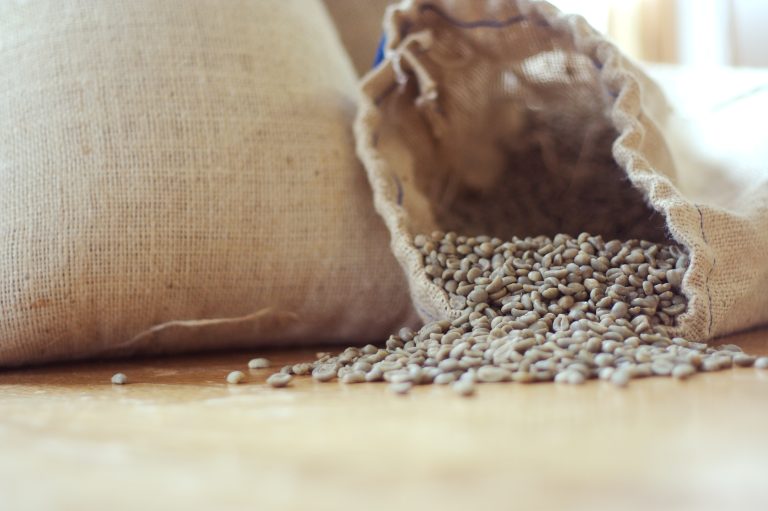
Green coffee beans are hard, pale and grassy-smelling. Roasting turns them into the brown, aromatic beans you buy. According to Britannica’s article on coffee roasting, temperatures are raised gradually from about 180 to 250°C (356 to 482°F) over roughly 7 to 20 minutes, depending on whether a light or dark roast is wanted.
During that time several things happen at once:
- The beans lose 14 to 23 percent of their weight as moisture and gases escape.
- Internal pressure makes them swell by 30 to 100 percent, leaving them porous and crumbly.
- Complex chemical changes create coffee’s aroma, which Britannica calls the most important effect of roasting.
- Steam, carbon dioxide and other volatile compounds are released.
Roast too long and, Britannica notes, the volatile flavor and aroma compounds start to be destroyed. That is the trade-off at the heart of every roast level.
How roasters control the process
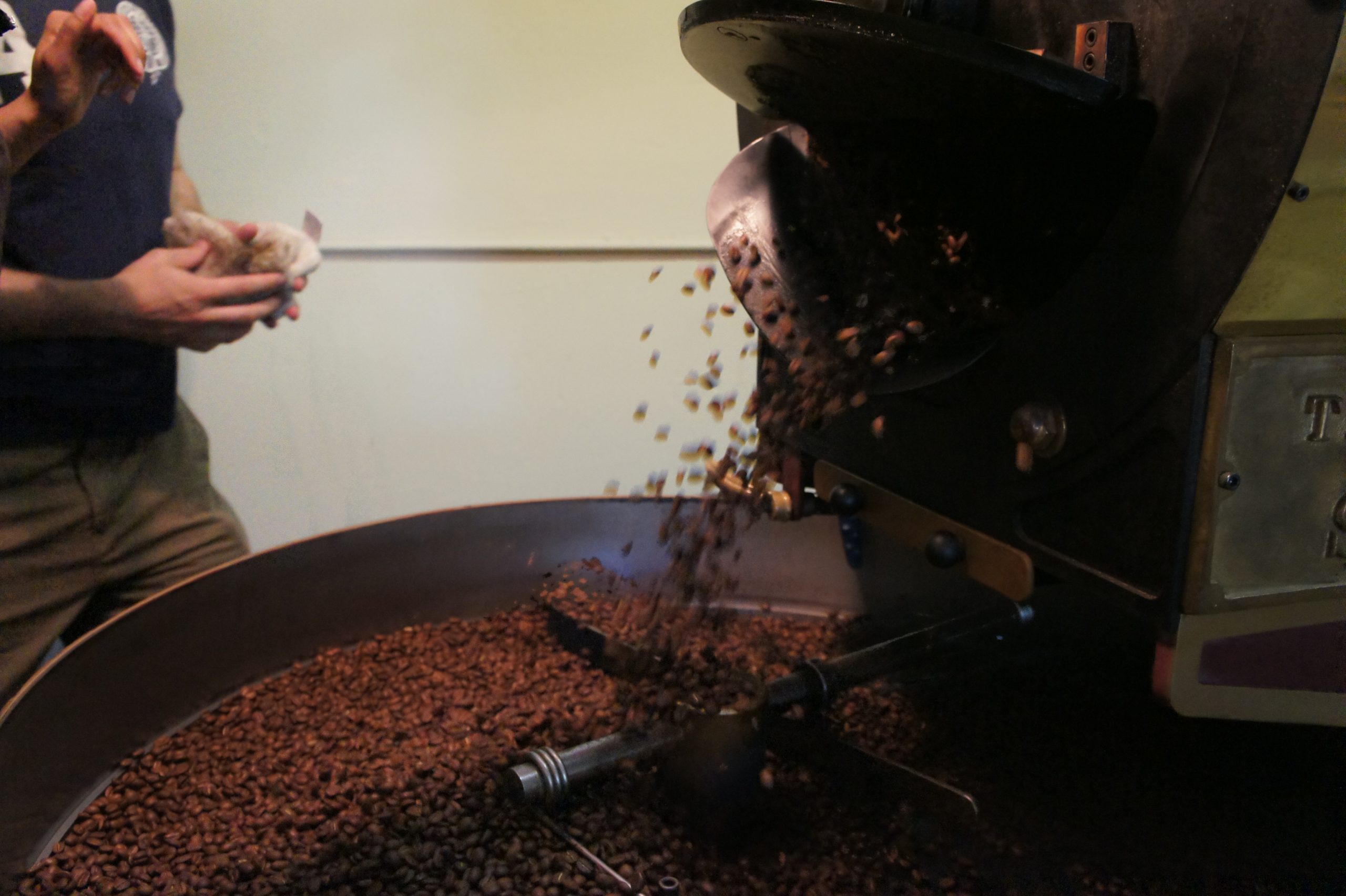
Britannica describes two main kinds of equipment. The oldest method turns a metal cylinder or sphere of beans over a heat source such as charcoal, gas or electricity. Many modern machines instead blow hot air into a rotating drum, and the tumbling keeps the roast even. Once the beans reach the color the roaster wants, they are cooled quickly, often in a stirred tray with cold air blowing over them, so they stop cooking. Industrial roasters may also use electronic sorters to remove beans that came out too light or too dark. Every roast level on a shelf is the result of these choices about heat, time and when to stop.
Coffee roast levels side by side
The National Coffee Association’s guide to roasts groups coffee into three broad color categories:
| Roast level | Look | Taste | Names you may see |
|---|---|---|---|
| Light | Light brown, matte, no oil on the surface | Brighter, more acidic, subtle roasted taste | Blonde, Cinnamon, City |
| Medium | Medium brown, no oily surface | Stronger flavor, more balanced | Full City, American, Vienna, breakfast blends |
| Dark | Shiny black, oily surface | Pronounced bitterness, less acidic in the cup | French, Italian |
The association notes that these names are used inconsistently, and that dark roast names such as French and Italian are often treated as interchangeable. Its guide also says that beans are roasted to an internal temperature of over 400°F before being cooled quickly.
How roast level changes the cup
Lighter roasts keep more of what came from the farm. Fruit, floral and tea-like notes are easier to notice, and acidity reads as brightness. Many people prefer them for filter brewing, where clarity matters.
Medium roasts trade some brightness for sweetness and body. Notes of caramel, nuts and chocolate are common, which is why many house coffees sit here.
Dark roasts are dominated by the roast itself: smoky, bittersweet, heavy. They hold up well under milk and sugar. If a coffee is meant to be drunk as a latte or cappuccino, as described in our comparison of espresso drinks, a medium to dark roast is often chosen for that reason.
The NCA adds that “espresso roast” is not a specific roast level; coffees sold for espresso are often medium to dark, but any roast can be brewed as espresso.
Roast level and caffeine
A common belief is that dark roast is “stronger” in caffeine. The National Coffee Association says otherwise: the bold flavor of a dark roast is not associated with higher caffeine, and light roasts in fact have slightly more. In practice, the amount of coffee you use and the size of your cup matter far more. If you watch your intake, see our explainer on caffeine and focus.
Freshness after roasting
The NCA suggests that beans rest for about two to three days after roasting and that grinding and brewing between two and seven days after roasting is ideal. Look for a roast date on the bag rather than only a best-before date, buy amounts you will use within a few weeks, and grind just before brewing if you can.
Frequently asked questions
Which roast level should I start with?
If you drink coffee black and enjoy fruity or tea-like flavors, try a light roast. If you take milk or like chocolatey, nutty flavors, start with a medium roast. If you like smoky, bold coffee, choose dark.
Why does my dark roast look oily?
Longer roasting brings oils to the surface of the bean. The NCA describes dark roasts as shiny with an oily surface, while light and medium roasts stay matte.
Can a café tell me the roast level?
Usually, yes. Ask what the roast is like and how they brew it; it is one of the easiest ways to steer your order, as we suggest in our guide to ordering at a specialty coffee shop.
Choosing your next bag
Buy two small bags from the same origin at different roast levels and brew them the same way on the same morning. Note which flavors you prefer, then use that as your guide when you shop. More explainers on beans, brewing and drinks are in our coffee section.