Japanese green teas go far beyond matcha. The one you are most likely to drink is sencha, a steamed and rolled leaf tea that makes up most of Japan’s production. Gyokuro and kabusecha are grown in shade for a sweeter, deeper flavor; hojicha is roasted until brown and toasty; and genmaicha blends green tea with roasted rice. Each is made differently, so each tastes different and suits a different time of day. This explainer covers how the main styles are made, what to expect in the cup and how to choose one at a tea shop or cafe, with answers to the questions people ask most.
Key takeaways
- Sencha is the everyday Japanese green tea and the most widely produced.
- Shading the plants before harvest gives gyokuro and kabusecha a sweeter, deeper green character.
- Hojicha is roasted rather than only steamed, so it tastes nutty and is lower in caffeine.
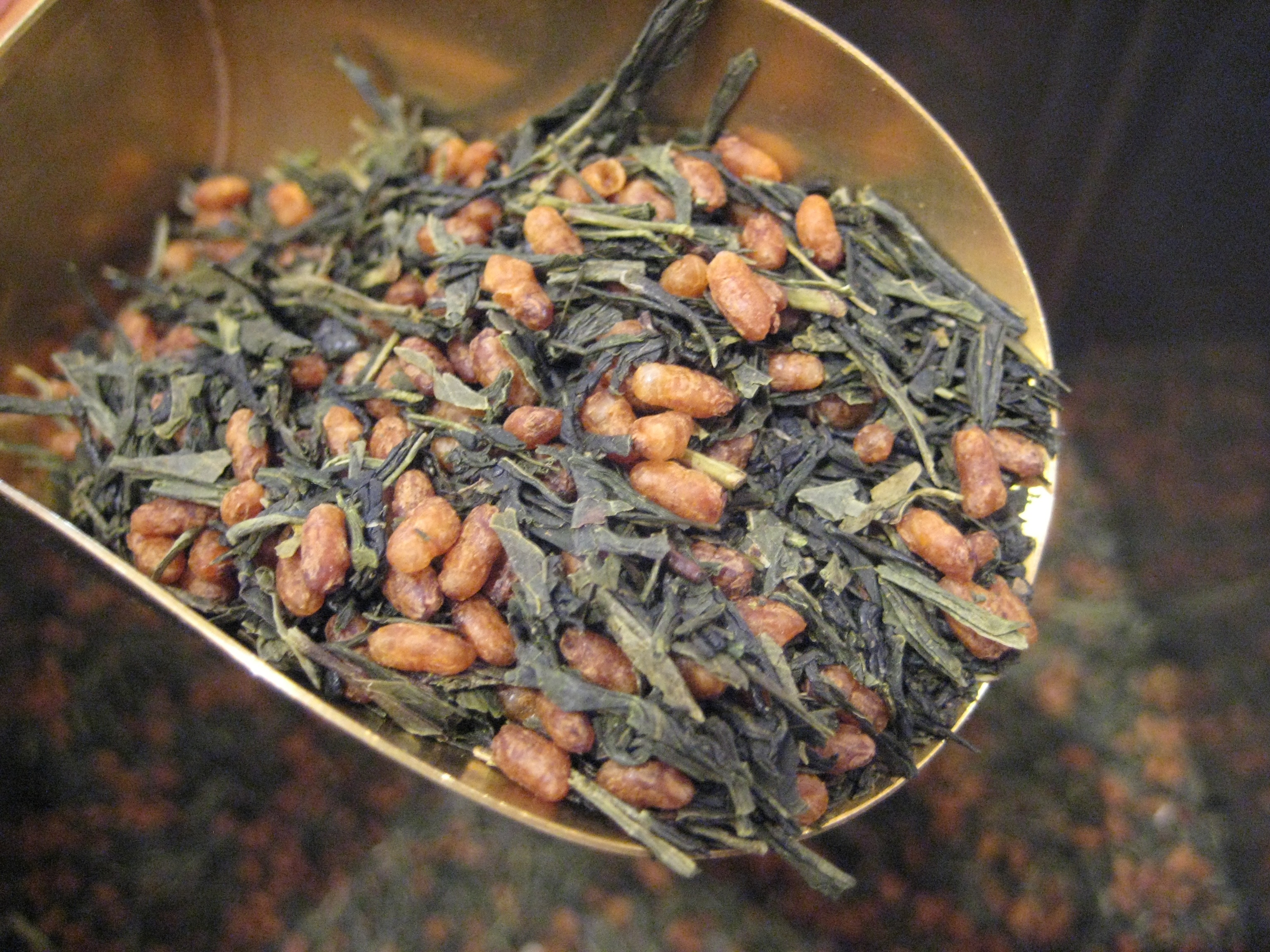
- Genmaicha mixes green tea with roasted brown rice for a mild, toasty cup.
Why Japanese green teas taste the way they do
Most Japanese green tea is steamed soon after picking to stop the leaves oxidizing, which keeps the color green and the flavor fresh and vegetal. The encyclopedia entry on Japanese tea explains that sencha leaves are steamed, rolled into thin needles and dried, a process standardized in Uji in 1737. Growing conditions, shading, roasting and blending then create the different styles. If you are new to tea in general, our guide to the main types of tea explains how green tea differs from black and oolong.
The main Japanese green teas compared
| Tea | How it is made | What it tastes like |
|---|---|---|
| Sencha | Steamed, rolled into needles, dried | Fresh, clean, grassy, sometimes sweet |
| Gyokuro | Plants shaded for weeks before picking | Sweet, rich, deep green |
| Kabusecha | Plants shaded before picking | Sweeter and greener than sencha |
| Hojicha | Green tea roasted over high heat | Nutty, toasty, little bitterness |
| Genmaicha | Green tea blended with roasted brown rice | Mild, nutty, warm |
Sencha: the everyday cup
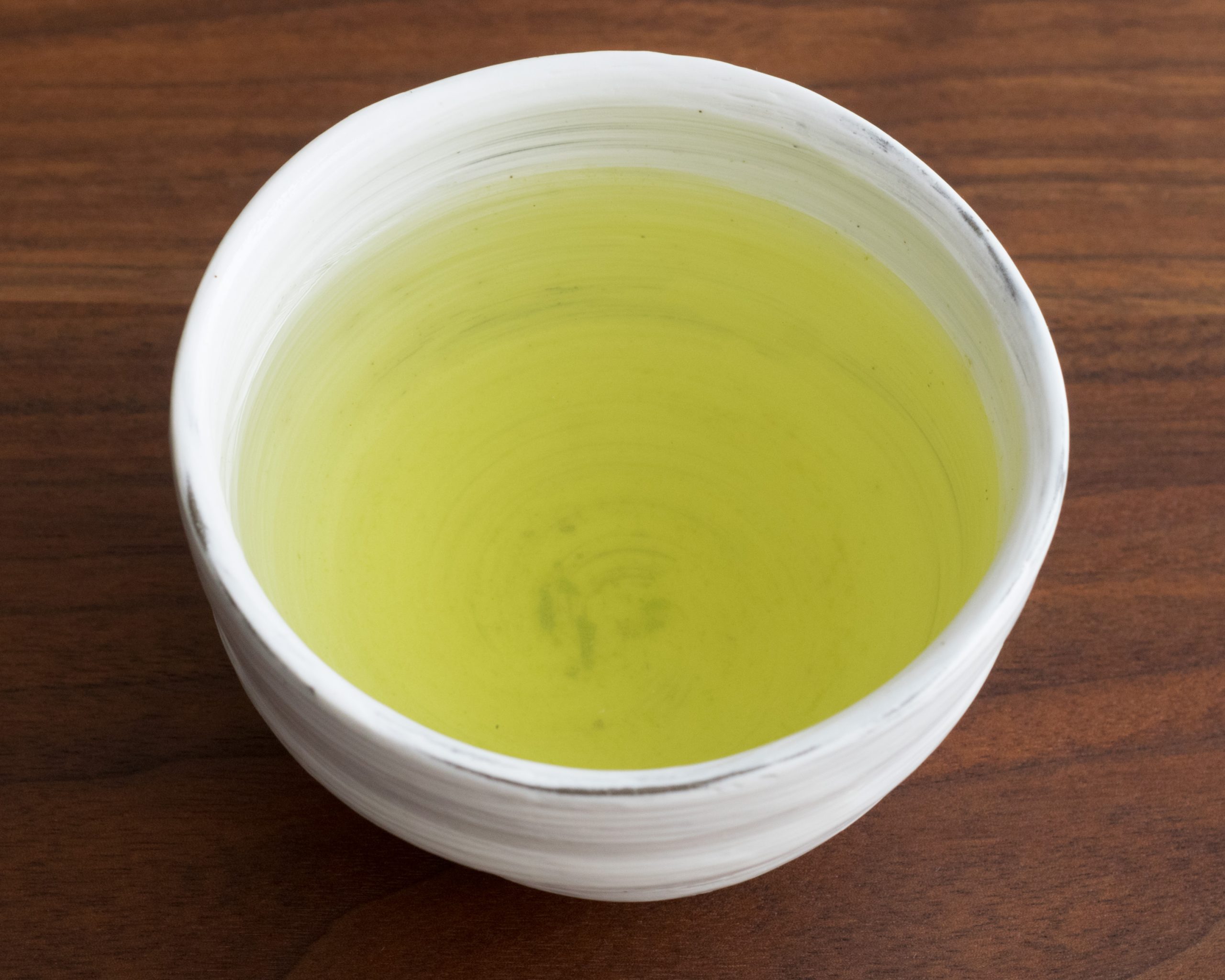
The same encyclopedia entry says sencha is the most popular tea in Japan, representing about 80 percent of the tea produced each year. Its steaming and rolling give a vivid emerald leaf and a clean flavor. Quality ranges widely, from simple daily teas to delicate early-season pickings, so ask a tea shop to describe what they stock. Look at the leaves too: the entry notes that well-made sencha has a vivid emerald color, so dull, broken or dusty-looking leaves are a sign of a lower grade or an old stock. Because sencha is so widely produced, it is also the easiest Japanese green tea to find outside Japan, in tea shops, cafes and supermarkets, which makes it a sensible place to start building your palate.
Gyokuro and kabusecha: the shaded teas
Gyokuro and kabusecha are made by shading the tea plants in the weeks before plucking, the same technique used for matcha. Shading increases chlorophyll and reduces tannins, which gives a sweeter taste and deeper green color. Tea shops usually describe each in detail, so ask how long the leaves were shaded and how they suggest brewing them. If you already enjoy matcha, these are the leaf teas closest to its character.
Hojicha and genmaicha: roasted and toasty
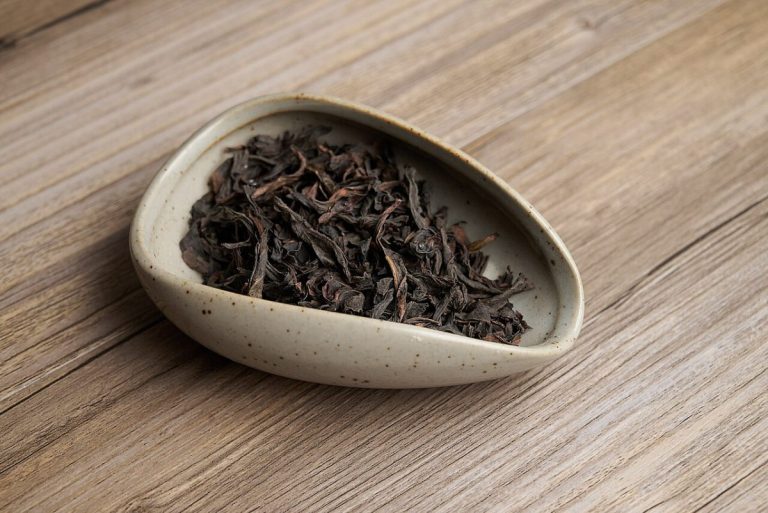
Hojicha is unusual among Japanese green teas because it is roasted. The entry on hojicha says it is roasted in a porcelain pot over charcoal at around 150 degrees Celsius, usually from bancha leaves, and that the method was discovered in Kyoto in 1920. The leaves turn brown and the tea brews reddish-brown, with a nutty, slightly sweet taste and little bitterness. Roasting lowers the caffeine, so it is often served in the evening. The same entry notes it is also popular with children and older adults for that reason, and it is a good choice with a meal because its toasty flavor does not compete with food. If you see a hojicha latte on a cafe menu, it is made with this roasted tea rather than matcha, so expect a brown drink with a nutty, caramel-like taste.
Genmaicha blends green tea with roasted brown rice, some of which pops during roasting, which is why it is sometimes called popcorn tea. It brews light yellow, with a mild, nutty flavor that many people find easy to like. The entry notes it was once known as a people’s tea, because adding rice stretched the more expensive leaves and made the tea more affordable. Today it is enjoyed for its flavor rather than its economy, and it is a friendly introduction for anyone who finds plain green tea too grassy.
Brewing Japanese green teas at home
Delicate green teas can turn bitter if brewed with water that is too hot or steeped too long. Start with water below boiling, a short steep and taste as you go, then adjust. Roasted hojicha and genmaicha are more forgiving. Our guide to brewing loose-leaf tea covers equipment, quantities and timing in more detail.
Frequently asked questions
Which Japanese green tea has the least caffeine?
Hojicha is often chosen for its lower caffeine because roasting reduces it. It is not caffeine-free, though.
Is sencha the same as matcha?
No. Sencha is a whole-leaf tea that you steep and strain. Matcha is shade-grown tea ground into a powder and whisked into water.
Which one should I try first?
Start with a good sencha for a classic green tea, then try hojicha or genmaicha if you prefer something toasty and mellow.
Finding your favorite
Try sencha for everyday drinking, gyokuro or kabusecha for a sweeter treat, and hojicha or genmaicha for an evening cup. Tasting a few side by side is the quickest way to learn the differences between Japanese green teas. For more brewing guides and tea explainers, browse our tea section.