To brew loose leaf tea well, control four things: fresh water, the right temperature for the leaf, a measured amount of tea, and a timed steep. Start with about one rounded teaspoon of leaf per cup, use water just off the boil for black tea and noticeably cooler water for green tea, steep for two to five minutes depending on the type, then separate the leaves from the liquid so the tea stops brewing. That is the whole method. The steps below explain each choice so you can adjust it to your own taste.
Key takeaways
- Use freshly drawn water and boil only what you need.
- Black tea suits 90 to 98°C (194 to 208°F); green tea suits around 80°C (176°F).
- Start with one rounded teaspoon of leaf per cup and adjust from there.
- Time the steep, then strain or remove the leaves completely.
- Taste, then change one variable at a time.
What you need to brew loose leaf tea
You do not need special equipment. Any of these works:
| Tool | Best for | Watch out for |
|---|---|---|
| Teapot with a removable basket | Several cups of black or oolong | Baskets that are too small cramp large leaves |
| Mesh infuser ball | One mug, small or broken leaf | Leaves need room to expand, so do not overfill |
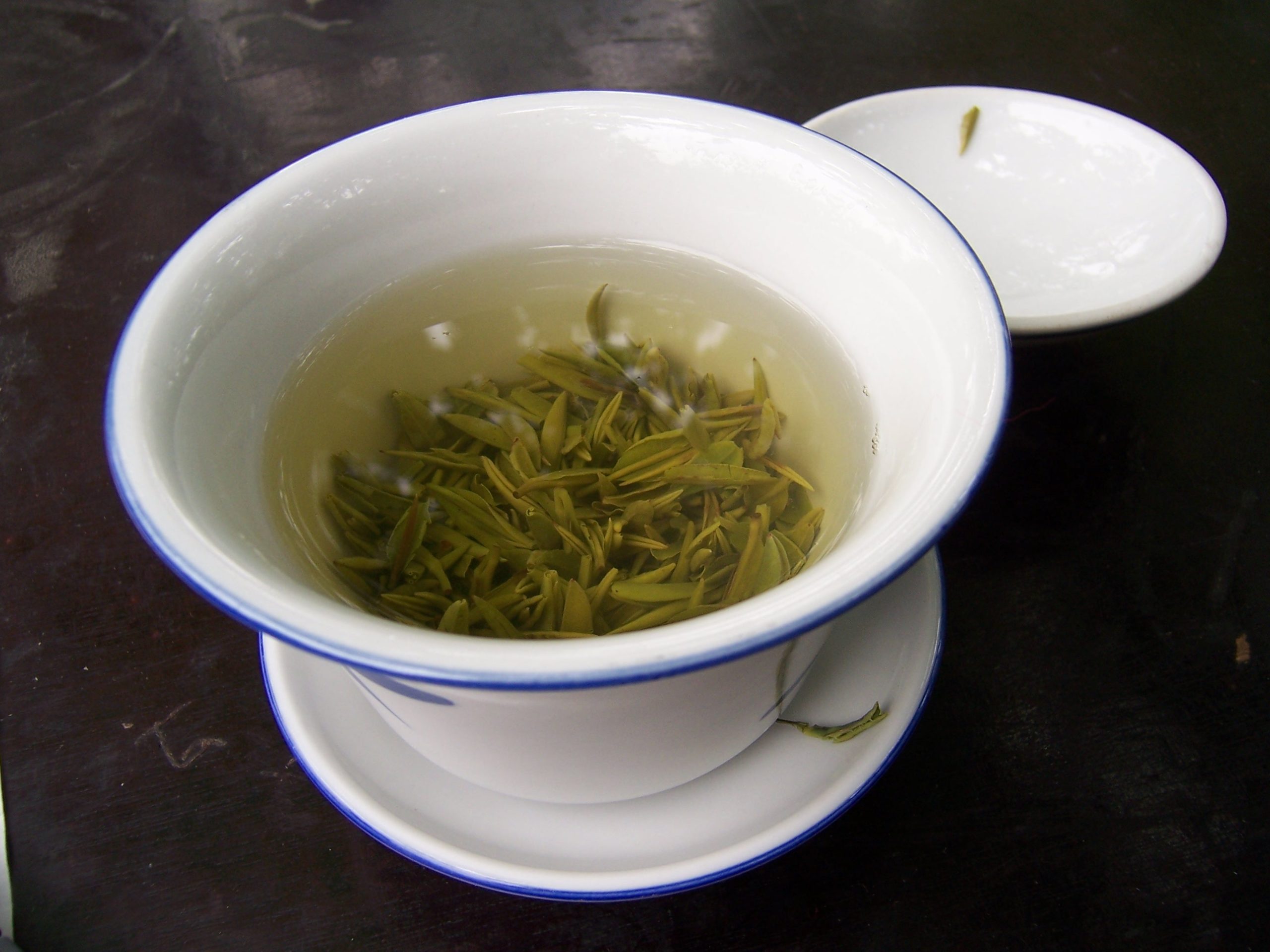
| Lidded cup (gaiwan) | Green, white and oolong, short repeated steeps | Takes practice to pour without spilling |
| Pot and separate strainer | Any tea, any quantity | Pour every drop off the leaves to stop brewing |
| Kettle with temperature control | Green and white teas | Useful but optional; a thermometer also works |
A kitchen scale and a timer help more than any specialty gadget, for the same reason they help with pour-over coffee: consistent amounts and times make it easier to repeat a cup you liked.
Step 1: Fresh water at the right temperature
The UK Tea and Infusions Association’s brewing guide recommends freshly drawn water and boiling only the amount you need, because water boiled repeatedly loses oxygen and the tea tastes flatter. It also notes that very hard or soft tap water can change the taste, so a filter may help if your tea seems dull or leaves a film.
Temperature is where most bitterness comes from. The association suggests 90 to 98°C (194 to 208°F) for black tea and around 80°C (176°F) for green tea, and advises checking the pack for anything more specific.
- Black tea: water just off the boil.
- Green tea: let boiled water rest for a few minutes, or use a temperature-control kettle.
- White and delicate oolongs: follow the supplier’s advice; many prefer water below boiling.
If you have no thermometer, boil the kettle and wait a few minutes before brewing green tea. It is not precise, but it is far better than pouring straight from a rolling boil onto tender leaves.
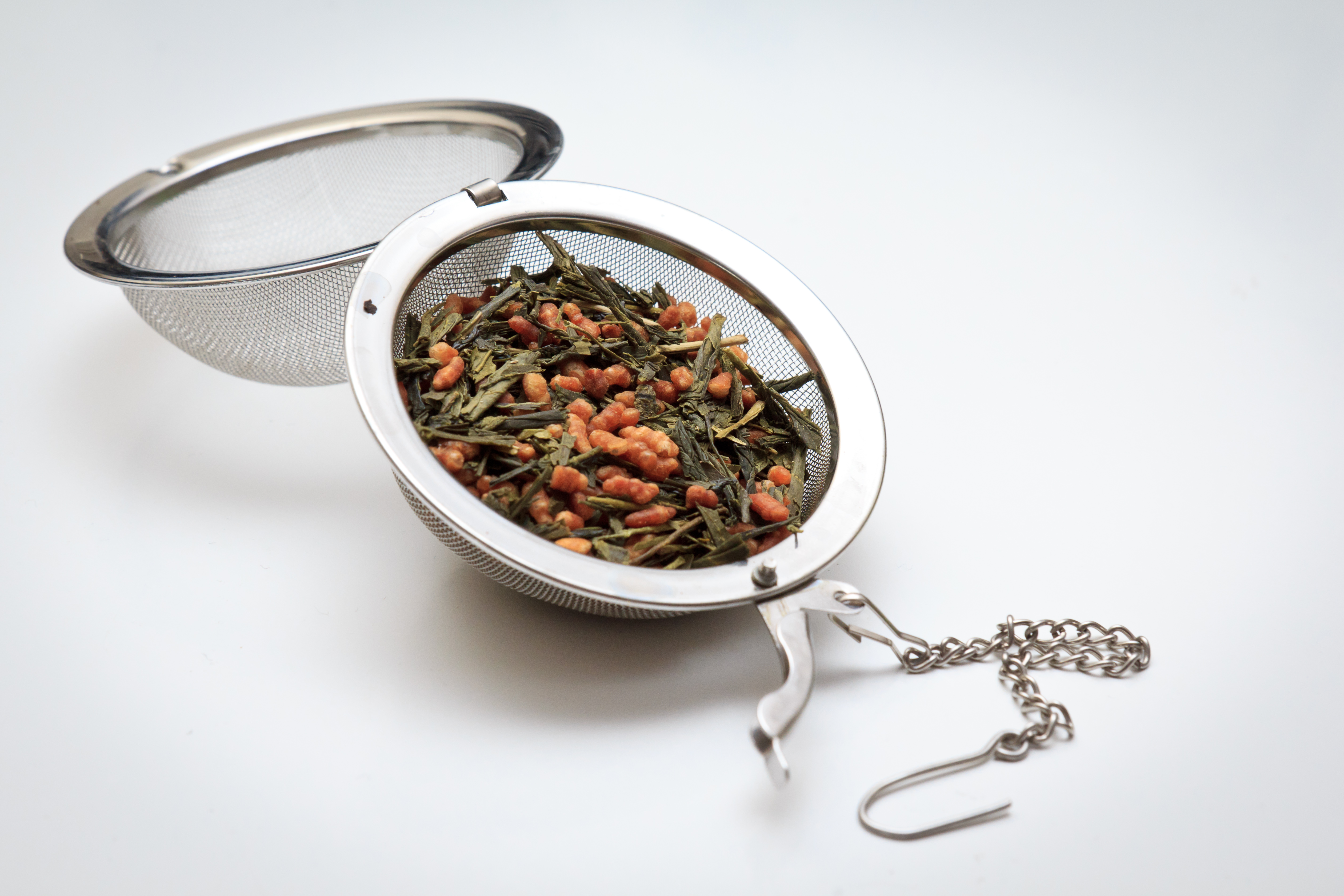
Step 2: Measure the leaf
Use about one rounded teaspoon of loose tea per cup, which is the starting point the association gives. Large, open leaves such as some oolongs and white teas take up more space for the same weight, so a heaped spoon of those may be needed. Tightly rolled leaves are dense, so use slightly less. Once you find an amount you like, weigh it and keep a note.
Step 3: Steep, then separate
Time depends on the tea. The association’s chart gives examples:
- Sencha (Japanese green): 2 to 2.5 minutes.
- Jasmine (green): 2 to 3 minutes.
- Darjeeling, Assam and Earl Grey (black): 3 to 4 minutes.
- Oolong: 3 to 5 minutes.
- Lapsang souchong (black): 4 to 5 minutes.
Set a timer. Steeping too long draws out more of the astringent compounds; Britannica’s tea article notes that tannins (polyphenols) give tea its astringent, bitter quality. If a cup tastes harsh, shorten the time before you reduce the leaf.
When the timer ends, lift out the basket or infuser, or pour the whole pot through a strainer into cups or a second warmed pot. If the leaves sit in the remaining tea, it keeps brewing and the last cup will be much stronger than the first.
Step 4: Finish the cup and steep again
The association marks most strong black teas such as Assam, Kenyan and Earl Grey as suitable with or without milk, and lists greens, oolongs, Darjeeling and lapsang souchong as teas usually taken without. If you brew a mug with an infuser, it suggests adding milk after removing the leaves.
Many whole-leaf teas, especially oolongs and greens brewed in a gaiwan, can be steeped again. Use the same temperature and lengthen the time a little for each round. Taste each infusion; the flavor will shift as the leaves open.
Frequently asked questions
Why does my green tea taste bitter?
The usual causes are water that is too hot, a steep that is too long, or too much leaf. Try water around 80°C and a two-minute steep, then adjust.
How much caffeine is in a cup of loose leaf tea?
It varies with leaf, amount and time. Britannica gives 60 to 90 milligrams for a teacup of tea as a general figure. Longer, stronger brews will be higher. Our comparison of the types of tea explains why figures vary.
Can I use loose leaf tea for iced tea?
Yes. Brew it slightly stronger than usual, strain it, then cool it before pouring over ice so the melt does not leave it watery.
Your next pot, step by step
Pick one tea you already enjoy and brew it carefully once: fresh water, the right temperature, a measured spoon, a timed steep and a clean strain. Note what you did and change only one thing next time. If you enjoy dialing in a cup like this, the same habits help when ordering at a specialty coffee shop and choosing between brewing styles. More guides live in our tea section.