Caffeine and sleep are more closely linked than most coffee drinkers assume. A cup in the afternoon can still shorten your night, even if you fall asleep without trouble, and decaf is not entirely caffeine-free. The practical answer is to set a cutoff time for your last caffeinated drink several hours before bed, keep your daily total moderate, and switch to low-caffeine options in the evening. Below, we check the most common myths against published research and federal guidance so you can decide what works for you.
Key takeaways
- In one controlled study, a large dose of caffeine taken six hours before bed still reduced total sleep by more than an hour.
- Falling asleep easily does not mean caffeine had no effect on your sleep.
- The FDA cites 400 mg a day as an amount not generally linked with negative effects for healthy adults, but sensitivity varies.
- Decaf coffee and tea still contain a small amount of caffeine.
Myth: an afternoon coffee wears off by bedtime
Fact: It may not. In a placebo-controlled study, researchers gave healthy adults 400 mg of caffeine at bedtime, three hours before bed or six hours before bed, and compared each with a placebo. Their 2013 paper in the Journal of Clinical Sleep Medicine found that “even at 6 hours, caffeine reduced sleep by more than 1 hour” on objective measures. The authors suggested avoiding substantial caffeine for at least six hours before bedtime.
It was a small study, with 12 healthy sleepers, and 400 mg is a large single dose, so treat it as a warning sign rather than a precise rule. Still, it shows why a mid-afternoon espresso can matter more than people expect.
Myth: if you fall asleep fine, caffeine is not affecting you
Fact: In the same study, the effect of the six-hour dose showed up more clearly on the sleep monitor than in participants’ own sleep diaries. In other words, people did not always notice how much sleep they lost. If you wake feeling unrefreshed despite a full night in bed, your caffeine habits are worth a look, even if you drift off easily.
Myth: everyone has the same safe limit
Fact: Tolerance differs from person to person. The FDA’s consumer guide, Spilling the Beans: How Much Caffeine Is Too Much?, cites 400 mg a day, roughly two to three 12-ounce cups of coffee, as an amount not generally associated with negative effects for healthy adults. It also notes that people vary widely in how sensitive they are to caffeine and how quickly they clear it, and that medications and health conditions can change that. It lists insomnia among the signs of having too much.
Some groups are advised to keep well below that figure. The NHS advises people who are pregnant to keep caffeine under 200 mg a day in its guidance on foods to avoid in pregnancy. Our guide to caffeine content in common drinks can help you estimate your own total.
Myth: decaf has no caffeine at all
Fact: Decaffeinated does not mean caffeine-free. The FDA notes that an 8-ounce cup of decaf coffee typically contains about 2 to 15 mg of caffeine. For most people that is too little to matter at night, but if you are very sensitive, it is worth knowing. Our explainer on how decaf coffee is made covers the process and what to look for.
Myth: tea will not keep you up
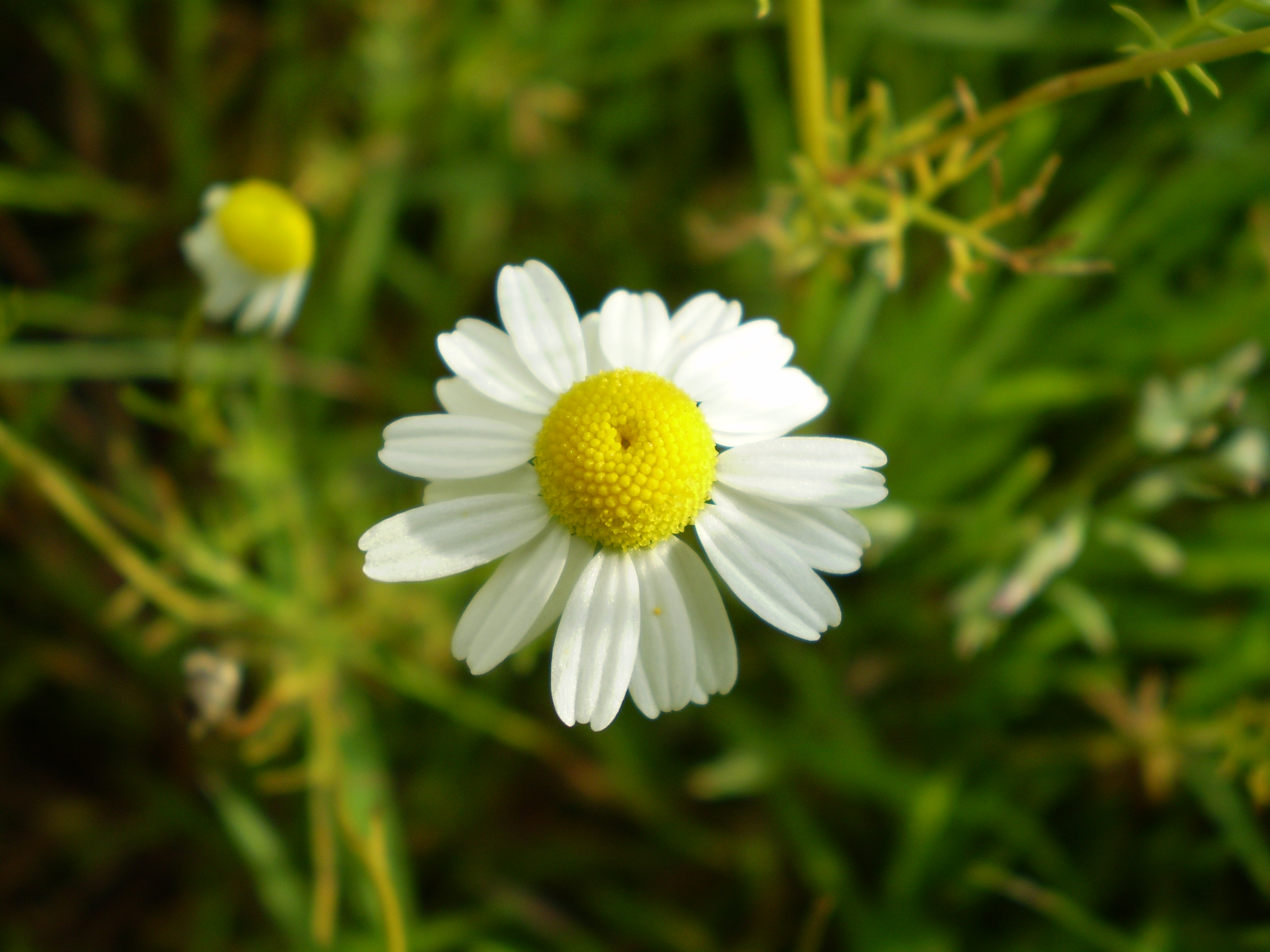
Fact: Most true teas, made from the tea plant, contain caffeine, though usually less per cup than brewed coffee. Herbal infusions such as chamomile or peppermint are naturally caffeine-free, which makes them a safer evening choice. Roasted green teas like hojicha are often described as lower in caffeine, but they are not caffeine-free.
Caffeine and sleep: a simple routine
| Time of day | Suggested approach |
|---|---|
| Morning | Your main caffeinated drinks, if you have them |
| Early afternoon | Last regular-strength coffee or tea for many people |
| Late afternoon | Switch to decaf or a lower-caffeine tea |
| Evening | Herbal infusions, water or warm milk |
If you are trying to cut down, do it gradually. Our guide to cutting back on caffeine explains how to taper without the headaches that a sudden stop can bring. Track your cutoff time and how you feel the next morning for a week or two, then adjust. The right cutoff is the one that leaves you rested, not the one a friend uses.
Frequently asked questions
How late can I drink coffee?
The study above suggests avoiding substantial caffeine for at least six hours before bed. If you go to sleep at 11 p.m., that means finishing your last strong coffee by about 5 p.m., and earlier if you are sensitive.
Do energy drinks affect sleep more than coffee?
It depends on how much caffeine they contain. The FDA notes that energy drinks vary widely in caffeine per can, so check the label and count them in your daily total.
Can caffeine help with jet lag?
The same timing logic applies when you travel. Count back at least six hours from when you plan to sleep in your new time zone and keep caffeine before that point.
Getting both your coffee and your sleep
You do not have to give up coffee to sleep well. Set a cutoff time, keep your daily total moderate, swap to decaf or herbal tea later in the day and notice how you feel. Caffeine and sleep can coexist once you know how your own body responds. For more on everyday habits, see our Lifestyle section.