Does coffee dehydrate you? For most healthy adults who drink it in moderate amounts, the evidence says no. Caffeine has a mild diuretic effect, but the water in a cup of coffee largely makes up for it, and a controlled study of regular coffee drinkers found no meaningful difference in hydration between drinking coffee and drinking the same amount of water. That does not make coffee a perfect substitute for water, and very large amounts of caffeine are a different matter. Here are the common claims, one by one.
Key takeaways
- Moderate coffee intake does not appear to dehydrate habitual coffee drinkers.
- Caffeine is a mild diuretic, but the fluid in the cup largely offsets it.
- Coffee can count toward your daily fluids, though water remains the best everyday choice.
- Large doses of caffeine behave differently, and too much caffeine has other downsides.
- Sweetened coffee drinks add sugar and calories, which is a separate consideration.
Myth: every cup of coffee leaves you more dehydrated than before
Fact: In moderate amounts, coffee hydrates about as well as water for people used to drinking it.
The most cited test of this idea comes from researchers at the University of Birmingham, published in PLOS ONE in 2014 (Killer, Blannin and Jeukendrup). Fifty men who habitually drank three to six cups a day completed two trials: in one they drank four 200-milliliter cups of coffee a day, providing 4 milligrams of caffeine per kilogram of body weight, and in the other the same volume of water. Food, fluids and activity were controlled. The researchers found no significant differences across a wide range of blood and urine markers of hydration, including total body water, and concluded that moderate coffee intake in caffeine-habituated men provides hydrating qualities similar to water.
The study has limits worth stating plainly. It involved only men who were already regular coffee drinkers, it was conducted with people living their normal lives rather than in a closed research ward, and it did not include a decaf arm. Still, it is a useful counterweight to the idea that coffee automatically drains you.
Myth: caffeine is not a diuretic at all
Fact: It is a mild one, but the effect is usually small at normal intakes.
MedlinePlus, the U.S. National Library of Medicine’s health site, describes caffeine as a diuretic, meaning it can make you urinate more. The PLOS ONE authors note in their introduction that the diuretic effect is associated with large doses, citing 500 milligrams or more. Harvard’s Nutrition Source on coffee sums it up: caffeine has a mild diuretic effect, but the fluid in coffee offsets it.
So both extreme positions are wrong. Coffee is neither a dehydrating drug nor exactly the same as water.
Myth: coffee does not count toward your daily fluids
Fact: It can count, though water is still the better default.
The Harvard Nutrition Source states that coffee can count toward daily fluid goals while recommending water as the best choice for hydration. That fits everyday experience: a mug of coffee is mostly water. The practical point is balance. If coffee is the only thing you drink all day, you may miss out on plain water and the habit of drinking when you are thirsty.
Myth: the stronger the coffee, the more it dehydrates
Fact: Strength mostly changes how much caffeine you get, and caffeine has other effects to think about first.
A strong brew or a double shot raises your caffeine dose. Our explainer on caffeine content in coffee and tea shows how widely that dose varies by cup size and method. MedlinePlus lists restlessness, shakiness, insomnia, headaches, dizziness, a fast heart rate, anxiety, dependency and dehydration among the effects of too much caffeine. In other words, if you are drinking enough coffee to worry about dehydration, sleep and jitters are likely to be bigger problems.
| Claim | What the evidence suggests |
|---|---|
| Coffee always dehydrates you | Moderate intake hydrated habitual drinkers about as well as water |
| Caffeine has no diuretic effect | It has a mild one, more noticeable at large doses |
| Coffee does not count as fluid | It can count; water remains the best everyday choice |
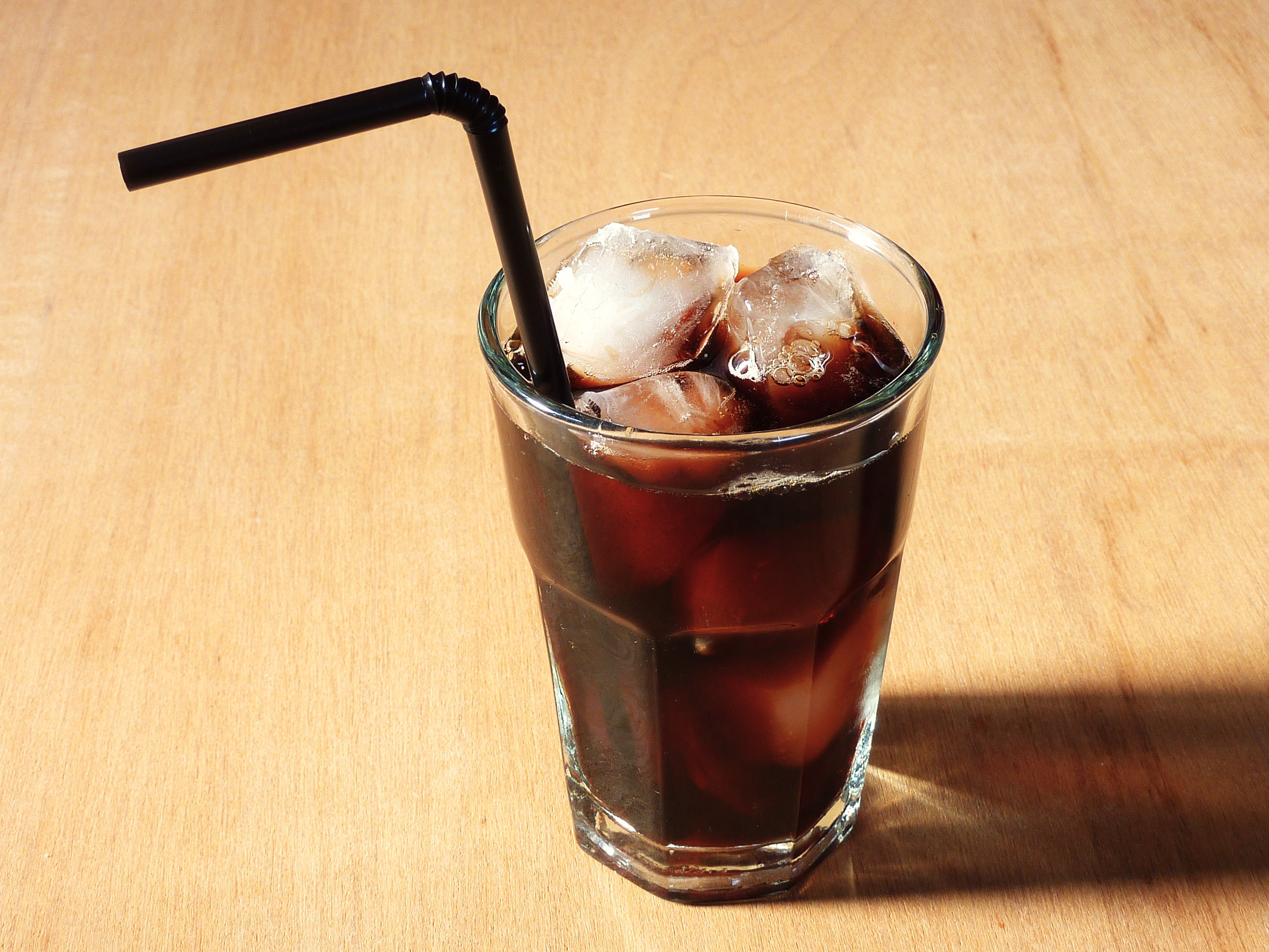
| Iced coffee hydrates better than hot | The same caffeine and water considerations apply to both |
| Decaf dehydrates like regular coffee | Decaf contains far less caffeine, so the diuretic question mostly falls away |
Myth: you need a glass of water for every cup of coffee
Fact: There is no official one-for-one rule, but a glass of water alongside coffee is a pleasant habit.
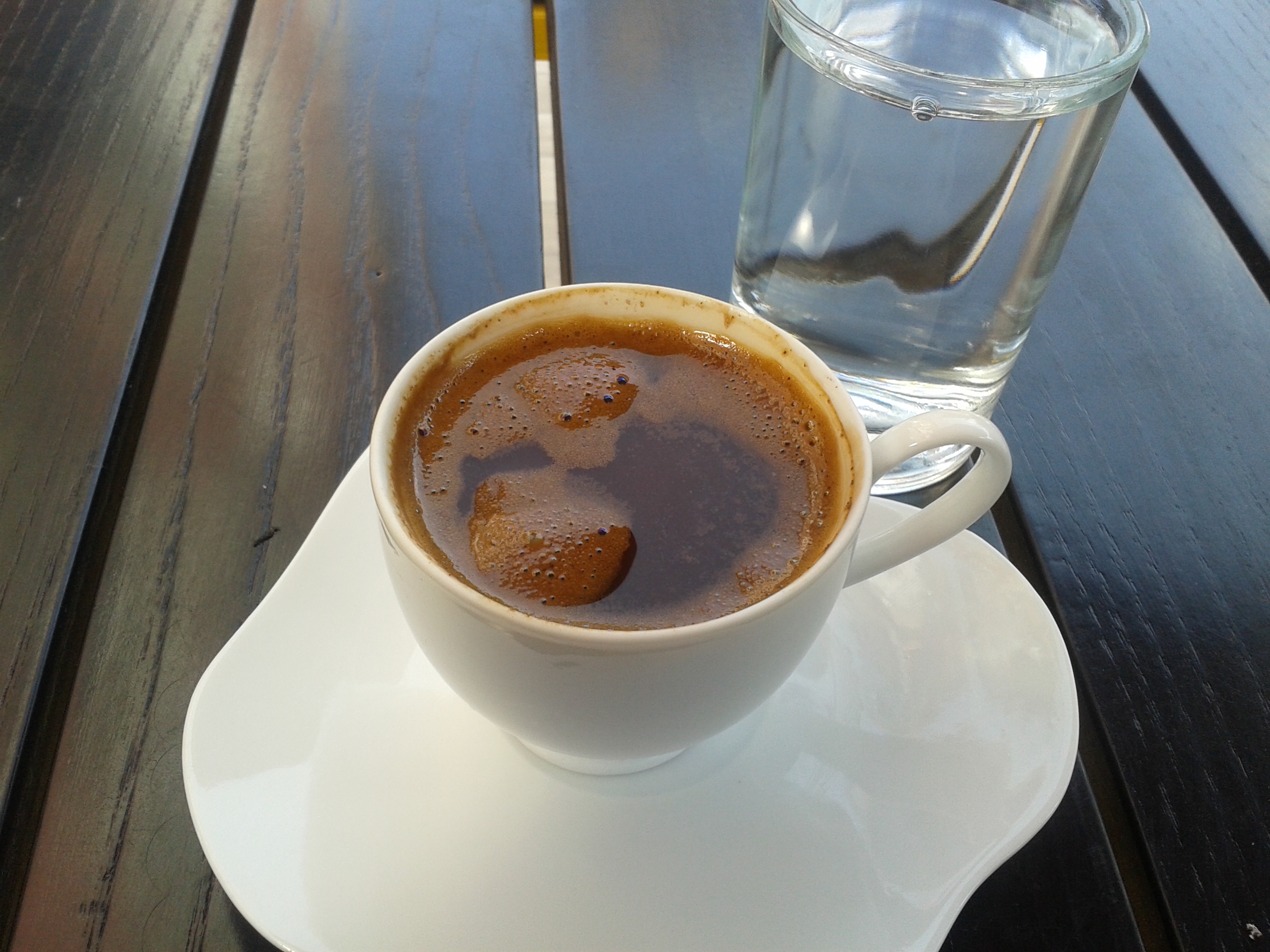
Some cafés serve coffee with a small glass of water, as in the Turkish coffee pictured at the top of this page, and the habit makes sense on hot days, after exercise or when you are drinking several cups. Think of it as a sensible routine rather than a medical requirement.
Frequently asked questions
Does coffee dehydrate you if you rarely drink it?
The Birmingham study looked only at habitual drinkers, so it does not answer this directly. People who are not used to caffeine may notice its effects more, so moderate amounts and some water alongside are a reasonable approach.
Is decaf better for hydration?
Decaf contains much less caffeine, so it sidesteps the diuretic question. Both regular and decaf are mostly water.
How much coffee is too much?
For most healthy adults, U.S. and European health authorities use 400 milligrams of caffeine a day as a reference point, but sensitivity varies. Our checklist for cutting back on caffeine can help if you want to reduce, and our look at caffeine and focus covers what caffeine does and does not do for concentration.
So, does coffee dehydrate you in everyday life?
Enjoy your coffee without worrying that each cup is undoing your water intake, keep plain water within reach through the day, and pay more attention to caffeine timing and total than to hydration myths. For more on fitting drinks into everyday life, browse our lifestyle section.