A good coffee and dessert pairing starts with matching weight: rich, dense desserts suit fuller, darker coffees, while light, fruity desserts suit brighter, lighter ones. From there you either echo a flavor the two share, such as chocolate with a cocoa-toned roast, or contrast one, such as a sharp lemon tart against a smooth, rounded cup. Keep sweetness in check, think about the time of day, and you will get it right far more often than not.
This checklist walks through the decisions in the order you will make them.
Key takeaways
- Match intensity first: heavy with heavy, light with light.
- Use the tasting notes on the bag or menu as clues for shared or contrasting flavors.
- Very sweet desserts usually need a coffee with some body and depth, not more sugar.
- Milk drinks soften bitterness and suit simple baked goods.
- After dinner, decaf keeps the ritual without the late caffeine.
Coffee and dessert pairing, step one: match the weight
- Dense and rich desserts such as chocolate cake, brownies or cheesecake: choose a fuller-bodied coffee, often a medium-dark or dark roast, or a short espresso.
- Light and fruity desserts such as berry tarts, sorbet or citrus cake: choose a lighter roast or a filter coffee with bright, fruity notes.
- Simple bakes such as shortbread, plain sponge or biscotti: almost anything works, so let your mood decide.
- Creamy desserts such as panna cotta or custard: a clean, medium-roast filter coffee keeps things from getting heavy.
If roast labels confuse you, our explainer on coffee roast levels describes how flavor and body shift from light to dark.
Step two: read the tasting notes
Specialty coffee is often described with tasting notes such as apple, almond or brown spice. Those words are not random. World Coffee Research hosts a coffee sensory lexicon, created at Kansas State University’s Sensory Analysis Center, that identifies 110 flavor, aroma and texture attributes with reference standards, and it underpins the widely used coffee taster’s flavor wheel. Personal-use copies of the lexicon can be downloaded free, and browsing it is a good way to put names to flavors you already notice but cannot quite describe.
Use the notes as a shortcut:
- Echo: a coffee with cocoa or nutty notes alongside a chocolate or hazelnut dessert.
- Echo: a coffee with berry or stone-fruit notes next to a fruit tart.
- Contrast: a smooth, low-acidity cup next to something tart, such as lemon or passion fruit.
- Contrast: a bright, lively cup to cut through something rich and buttery.
Step three: balance sweetness and bitterness
- Do not add sugar to match a sweet dessert. The dessert already supplies sweetness; extra sugar in the cup tends to flatten both.
- Let bitterness do a job. A little roast bitterness frames sweet, rich desserts the way dark chocolate frames caramel.
- Watch extremely sweet pastries. With syrupy or honey-soaked desserts, a small, strong coffee often works better than a large, milky one.
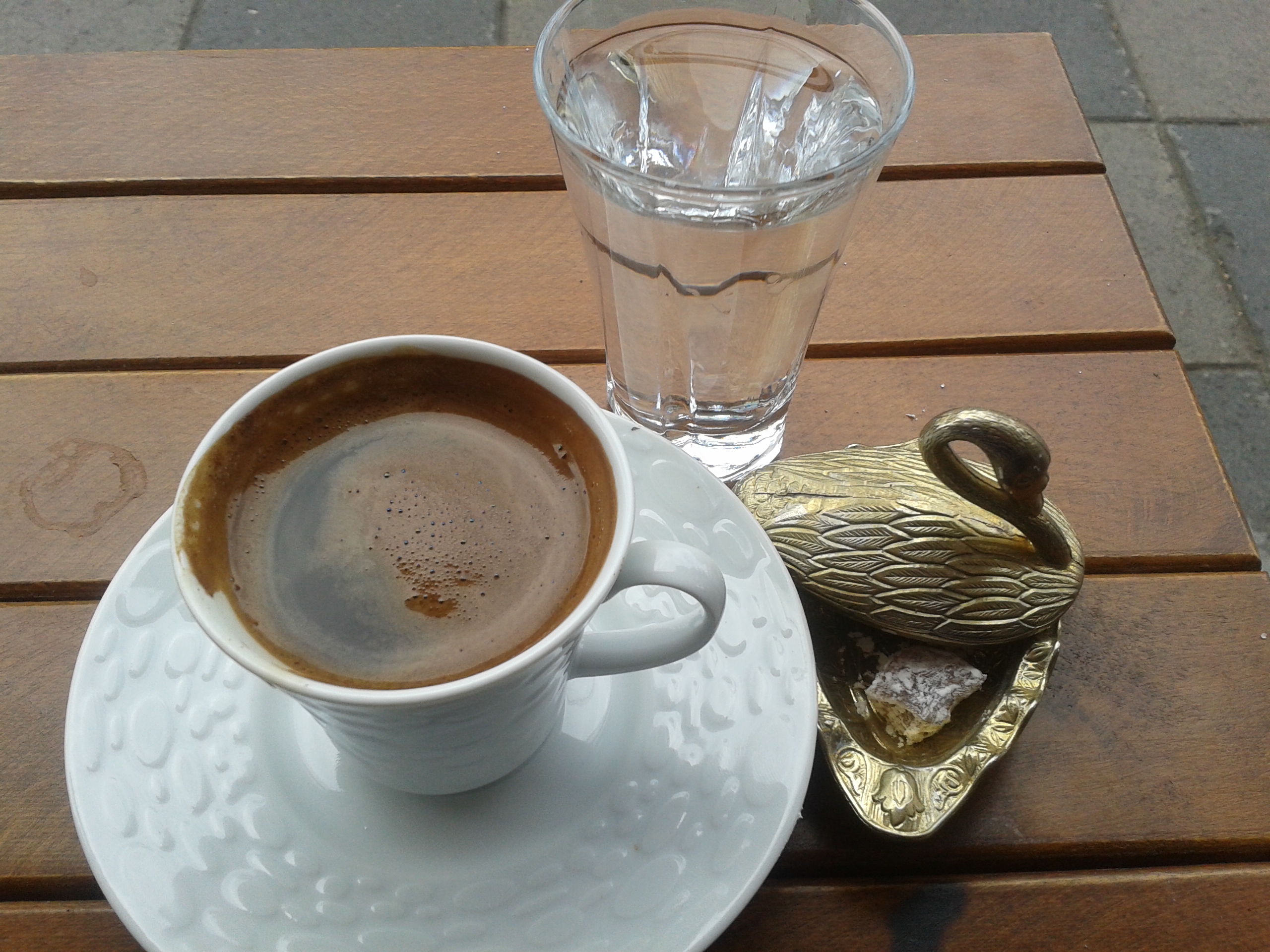
- Keep a glass of water nearby. A sip between bites resets your palate, which is why coffee in some traditions arrives with water and a small sweet.
Step four: choose the format of the drink
| Dessert style | Coffee format that often works | Why |
|---|---|---|
| Chocolate cake, brownies | Espresso or dark-roast filter | Holds its own against cocoa and fat |
| Fruit tart, berry desserts | Light-roast filter or pour-over | Bright notes echo the fruit |
| Cheesecake, custards | Medium-roast filter | Clean cup balances creaminess |
| Biscotti, shortbread | Cappuccino or latte | Milk softens and invites dunking |
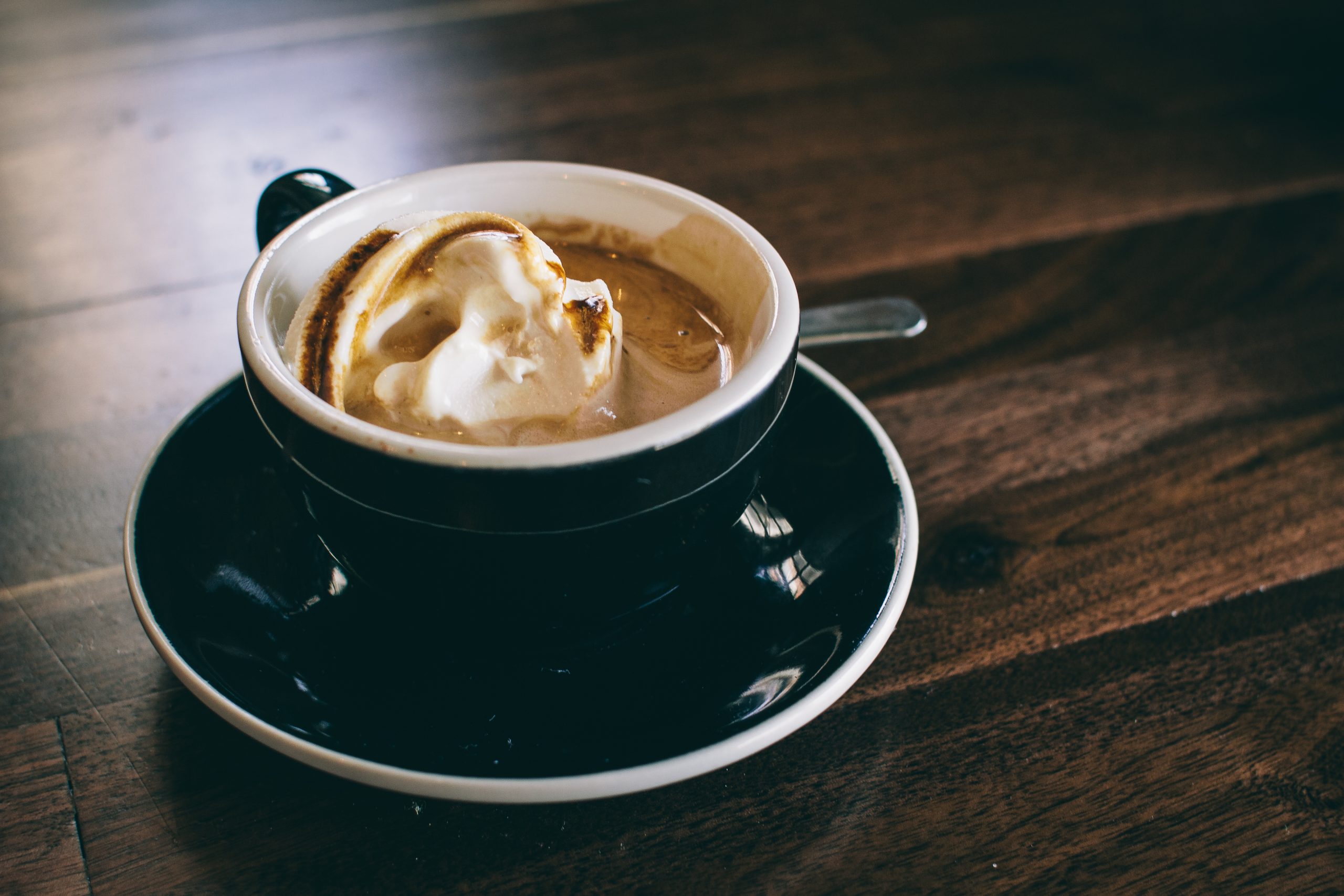
| Vanilla ice cream | A shot of espresso poured over it | Hot, bitter and cold, sweet in one spoon |
| Spiced cakes and cookies | Medium-dark roast | Roasty notes suit cinnamon and clove |
If you are not sure which café drink to order, our guide to espresso drinks explains the difference between a cappuccino, a flat white and a latte.
Step five: think about timing
- Late evening means decaf or a small cup. The European Food Safety Authority notes that a single 100-milligram dose of caffeine may affect sleep in some adults when taken close to bedtime (EFSA on caffeine); its reference espresso contains about 80 milligrams.
- Ask for decaf. Many cafés and restaurants can make decaf espresso or filter coffee, which keeps the after-dinner ritual without much caffeine.
- Consider a non-coffee option. Herbal infusions or a caffeine-free dessert drink also work; our buyer’s guide to non-alcoholic pairing has more ideas for the end of a meal.
Step six: serve it well at home
- Brew the coffee just before dessert, not at the start of the meal, so it is fresh and hot.
- Warm the cups with hot water so the coffee does not cool too quickly.
- Offer milk on the side rather than adding it for everyone.
- Keep portions small: a short cup alongside dessert is usually more pleasant than a large mug.
Frequently asked questions
What coffee goes best with chocolate desserts?
A fuller-bodied coffee, often medium-dark or dark roast, or an espresso. Look for cocoa, nutty or caramel tasting notes if you want the flavors to echo each other.
Should coffee be served with dessert or after it?
Either works. Serving them together lets you enjoy the pairing; serving coffee after gives you a clean finish to the meal. Ask your guests what they prefer.
Is it fine to pair coffee with fruit desserts?
Yes. Lighter roasts with fruity tasting notes often suit fruit tarts and berry desserts well, while a smooth, rounded coffee can calm a very sharp citrus dessert.
Try one coffee and dessert pairing this week
Pick one dessert you make often and try it with two different coffees side by side, one lighter and one darker. Taste, compare and note which you prefer. More ideas for matching drinks with food are collected in our drinks and pairing section.