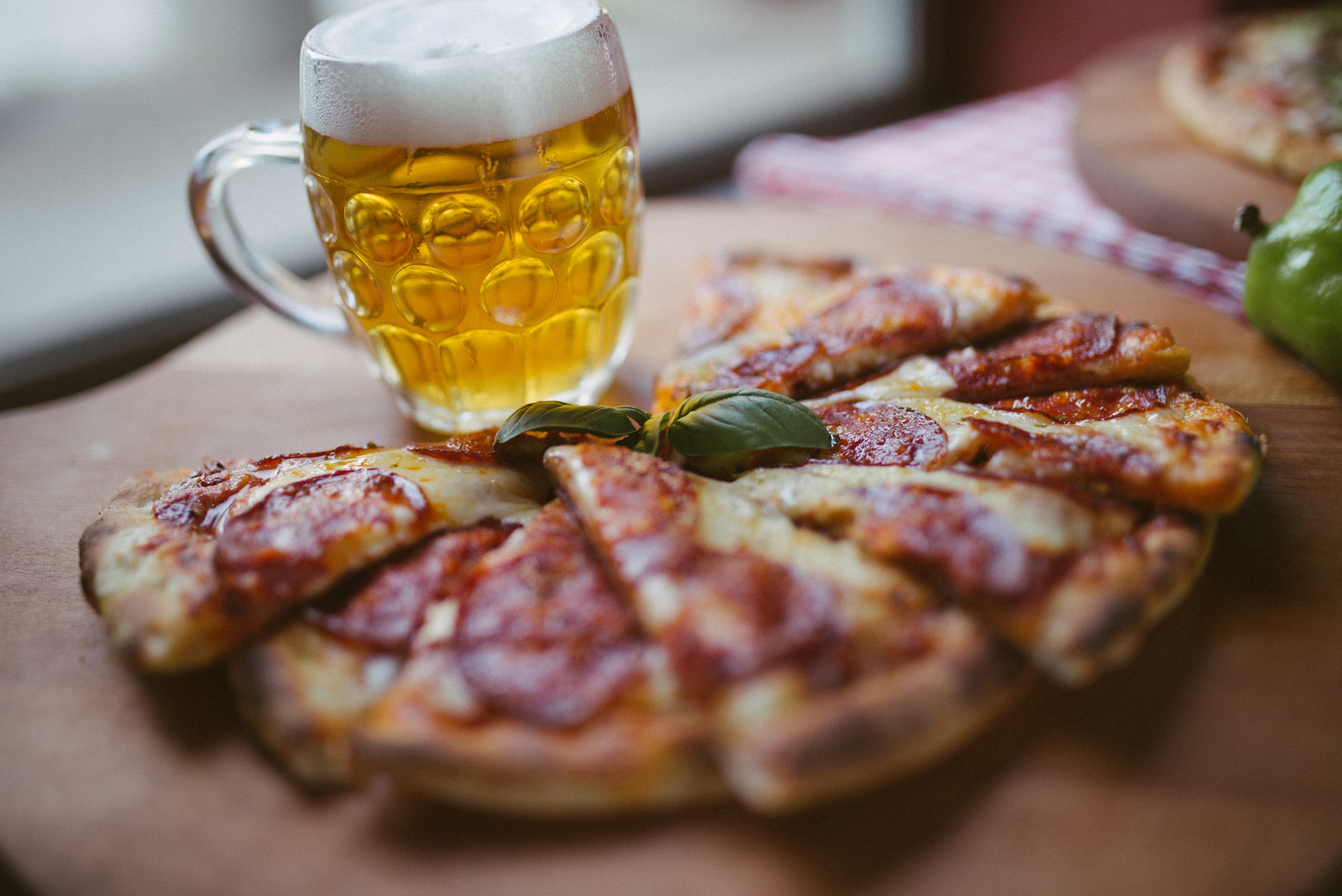
Beer and food pairing works on three levers: carbonation, which scrubs the palate; hop bitterness, which cuts through fat; and malt, which brings sweetness and, in dark beers, roasted flavors. Light lagers suit delicate or fried food, hoppy ales stand up to rich and fatty dishes, stouts and porters echo roasted and chocolate flavors, and strong beers belong with intense cheeses and dessert. Comparing the main styles against what is on your plate will steer you to a good match quickly, without needing to memorize brand names.
Key takeaways
- Bubbles refresh the palate, which is why beer suits fried and salty food.
- Hop bitterness cuts fat; fat and protein soften bitterness in return.
- Dark, roasted beers echo grilled, smoky and chocolate flavors.
- High alcohol makes chili heat feel hotter, so choose lighter beers with spicy food.
- A sweet dessert needs a beer with enough sweetness or strength to match it.
What beer brings to the table
Beer is made by extracting malt with water, boiling it (usually with hops) and fermenting it. Two families cover most styles. Lager is made with bottom-fermenting yeast; ale is the term for top-fermented beers in the British tradition. According to Britannica’s beer entry, Germans began bottom fermentation in 1420; before that, yeast tended to rise to the top of the brew. Strength is measured as the percentage of alcohol by volume, and Britannica counts beers above 4 percent as strong, which covers a good share of what is poured today. That matters for pairing, because alcohol adds body and warmth, and both change how a beer sits next to food.
Hops matter most for pairing. Britannica’s entry on the hop plant explains that brewers use the dried female cone, whose resins and essential oils give beer its bitterness and aroma and help it keep. Bitterness interacts with food the same way tannin does in wine: a Virginia Tech enology guide to matching food and wine notes that proteins and fats mute astringency and bitterness, while salt can magnify them, and that carbonation helps clean the palate.
Beer and food pairing by style
| Beer style | Main traits | Pairs well with | Why it works |
|---|---|---|---|
| Light lager | Crisp, light body, high carbonation | Fried food, salads, mild fish, salty snacks | Bubbles refresh without overwhelming |
| Pale ale and IPA | Pronounced hop bitterness and aroma | Burgers, fried chicken, rich cheeses | Bitterness cuts through fat |
| Amber or brown ale | Malt sweetness, caramel notes | Roast pork, sausages, mushrooms | Malt echoes browned, savory flavors |
| Stout and porter | Roasted grain, coffee or chocolate notes | Grilled meat, stews, chocolate desserts | Roast flavors mirror char and cocoa |
| Strong beer, barley wine | High alcohol, rich and sweet | Blue cheese, aged cheese, rich desserts | Strength and sweetness match intensity |
Treat the “main traits” as tendencies. Breweries interpret every style differently, so taste first when you can.
Light lagers: the refreshers
Pale, highly carbonated beers are the most flexible with everyday food. Carbonation lifts fat and salt off the palate, which explains why a cold lager and something fried are such a familiar pair. They also work as a reset during a meal with many small dishes. Because their flavor is delicate, they can be overwhelmed by very rich or smoky food.
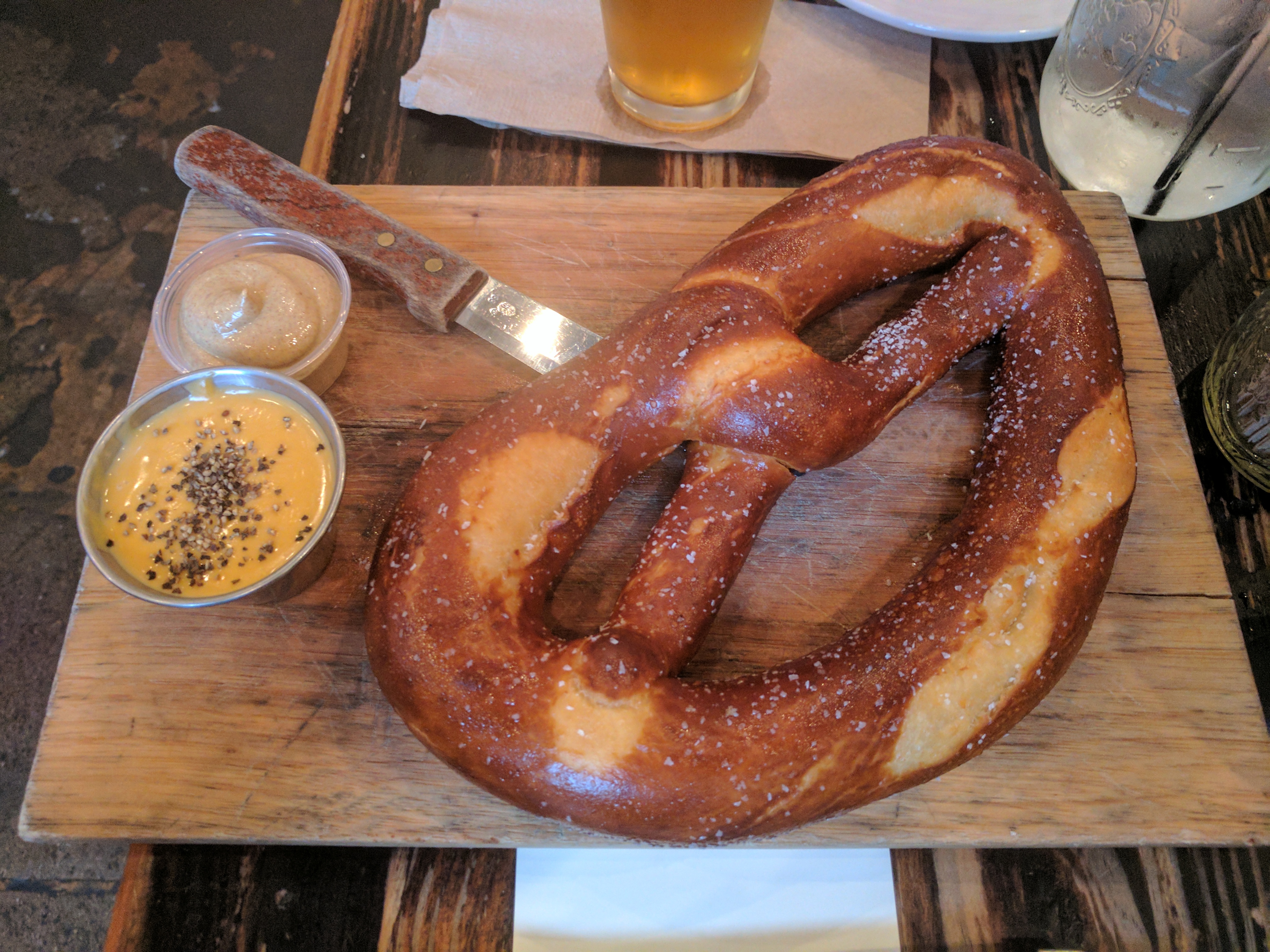
If you are unsure where to start, a tasting flight of small pours, which many brewpubs offer, is the easiest way to compare styles against the same plate. Order one light beer, one hoppy beer and one dark beer, and taste each with a bite of your main dish before deciding which to have a full glass of.
Hoppy ales: bitterness against fat
A bitter, aromatic ale does for a burger what a tannic red does for steak: the fat softens the bitterness and the bitterness keeps the fat from feeling heavy. Be careful with very salty dishes, since salt can make bitterness feel harsher. Hoppy beers can also clash with delicate fish, where their aroma simply takes over.
Stouts, porters and strong beers: depth and sweetness
Britannica’s article on stout describes stouts and porters as dark beers whose character comes from roasted barley or malt, notes that very dark malt can add chocolate flavors and aromas, and explains that milk stouts made with lactose taste sweeter. That roast suits grilled and smoked meat, slow-cooked stews and chocolate desserts. Britannica’s beer entry puts barley wines at 8 to 10 percent alcohol, strong enough to stand next to blue or aged cheese and rich desserts.
With dessert, follow the rule that applies to wine: the drink should be at least as sweet as the plate, as explained in our guide to wine pairing basics.
Spice and alcohol
A New Mexico State University extension tasting guide notes that high alcohol amplifies spice, making food seem hotter, and recommends beer with spicy New Mexican food. With chili-heavy dishes, choose a lighter, lower-alcohol lager rather than a strong ale.
Pace yourself too. The NIAAA’s definition of a standard drink is 12 fluid ounces of regular beer at about 5% alcohol; a stronger beer in the same glass counts as more than one drink.
Frequently asked questions
Is beer better than wine with spicy food?
Often, yes, if you choose a lighter, lower-alcohol beer. Carbonation refreshes the palate and modest alcohol avoids amplifying the heat.
What should non-drinkers have with the same meal?
Look for drinks with similar structure: bubbles, bitterness or sweetness. Our non-alcoholic pairing guide explains how to choose them.
Does beer go with cheese?
Very well. Carbonation and bitterness cut through fat, and malt sweetness can balance salty cheese. Match intensity: mild cheese with lighter beers, strong cheese with stronger beers.
Plan a small tasting at home
Pick three styles, say a lager, a pale ale and a stout, and three foods, such as fried chicken, a burger and a chocolate dessert. Taste each beer with each bite and note which pairs lift both. You will learn the rules faster than from any chart. More matches for drinks of all kinds are in our drinks and pairing section.