Good afternoon tea etiquette comes down to a few easy habits: book ahead and mention any dietary needs, eat the savory items before the scones and the sweet things last, share the teapot politely, and handle your cup and plate quietly. Most of the fussier “rules” you may have heard are traditions rather than requirements, and a good tea room cares far more that you are comfortable than that you hold your cup a certain way.
Use this checklist before you go and at the table.
Key takeaways
- Book ahead and state allergies or dietary needs when you reserve, not when the stand arrives.
- Work from savory to sweet: sandwiches, then scones, then cakes and pastries.
- Pour for others before yourself and keep the pot moving around the table.
- Afternoon tea is a light late-afternoon meal; high tea traditionally means a heartier early evening meal.
- Small courtesies matter more than strict rules.
A little background on afternoon tea
According to Britannica’s article on tea, afternoon tea was popularized by Anna, the 7th Duchess of Bedford, as a substantial snack served between meals. Tea itself was already well established in Britain by then; Britannica records that the English East India Company brought tea to London in 1669. Afternoon tea grew into a social occasion and has stayed one, now served everywhere from hotel lounges to village tea rooms and cafés far beyond Britain.
The name causes confusion. Britannica’s dictionary defines high tea as a chiefly British “early evening meal at which tea and often cold meat and sandwiches are usually served,” while afternoon tea is the lighter, late-afternoon spread of sandwiches, scones and cakes. Many menus outside Britain use “high tea” for the elegant afternoon version, so check what is actually being served when you book.
Afternoon tea etiquette before you arrive
- Book ahead. Popular tea rooms and hotel teas often need a reservation, particularly at weekends.
- Mention dietary needs when you book. Gluten-free, vegetarian, vegan and allergy-aware versions often need preparation time.
- Know what venues must tell you. In England, Wales and Northern Ireland, the Food Standards Agency explains that food businesses must provide information on 14 major allergens, either on the menu or by telling you how to get it, such as by asking staff (FSA allergy advice). They are not required to make you an alternative, which is another reason to ask early.
- Check the dress guidance. Smart casual suits most venues; a few formal hotels publish a dress code.
- Arrive on time. Teas are often served in fixed sittings.
At the table: tea and the teapot
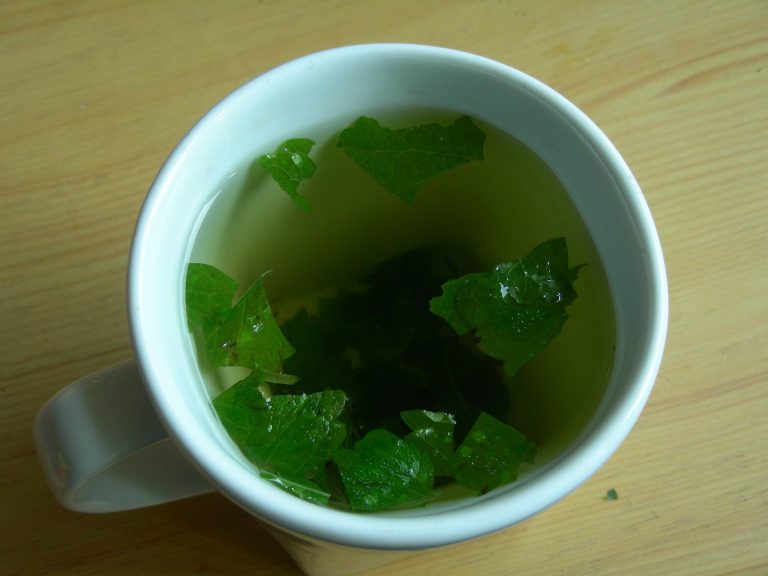
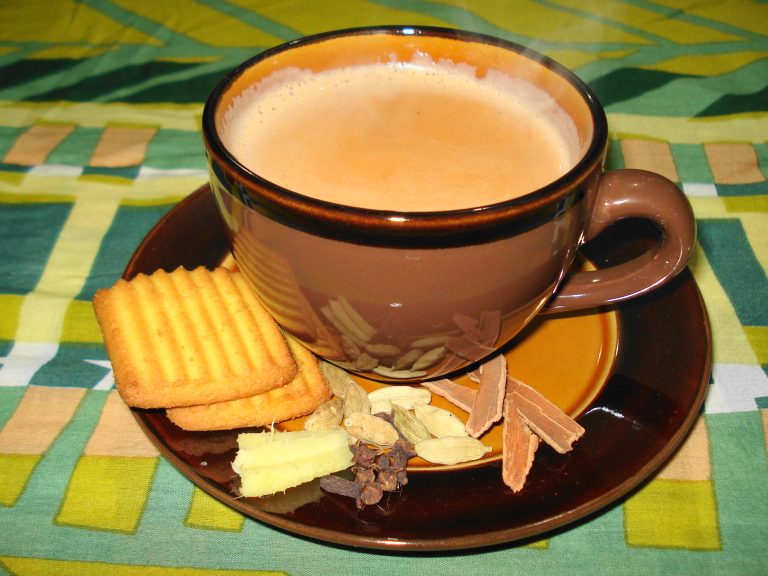
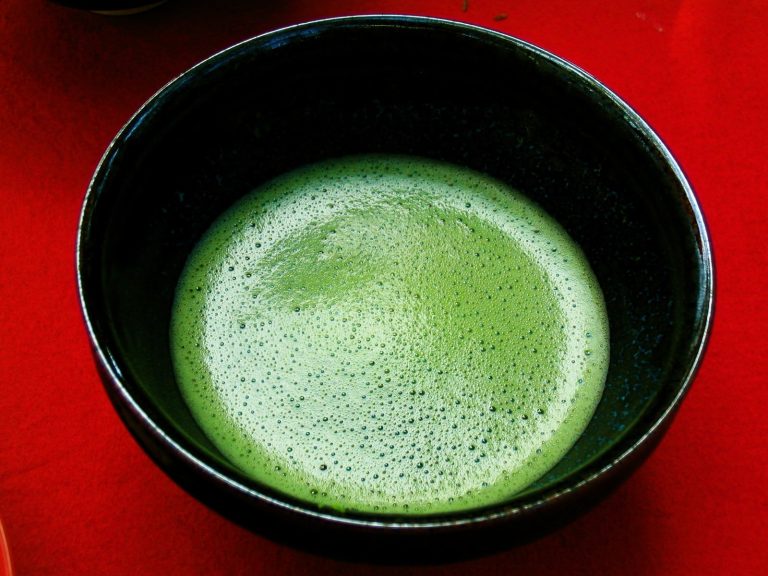
- Choose your tea first. If the list is long, our comparison of the main types of tea will help you choose between a brisk black tea for milk and a delicate green or white tea to drink plain.
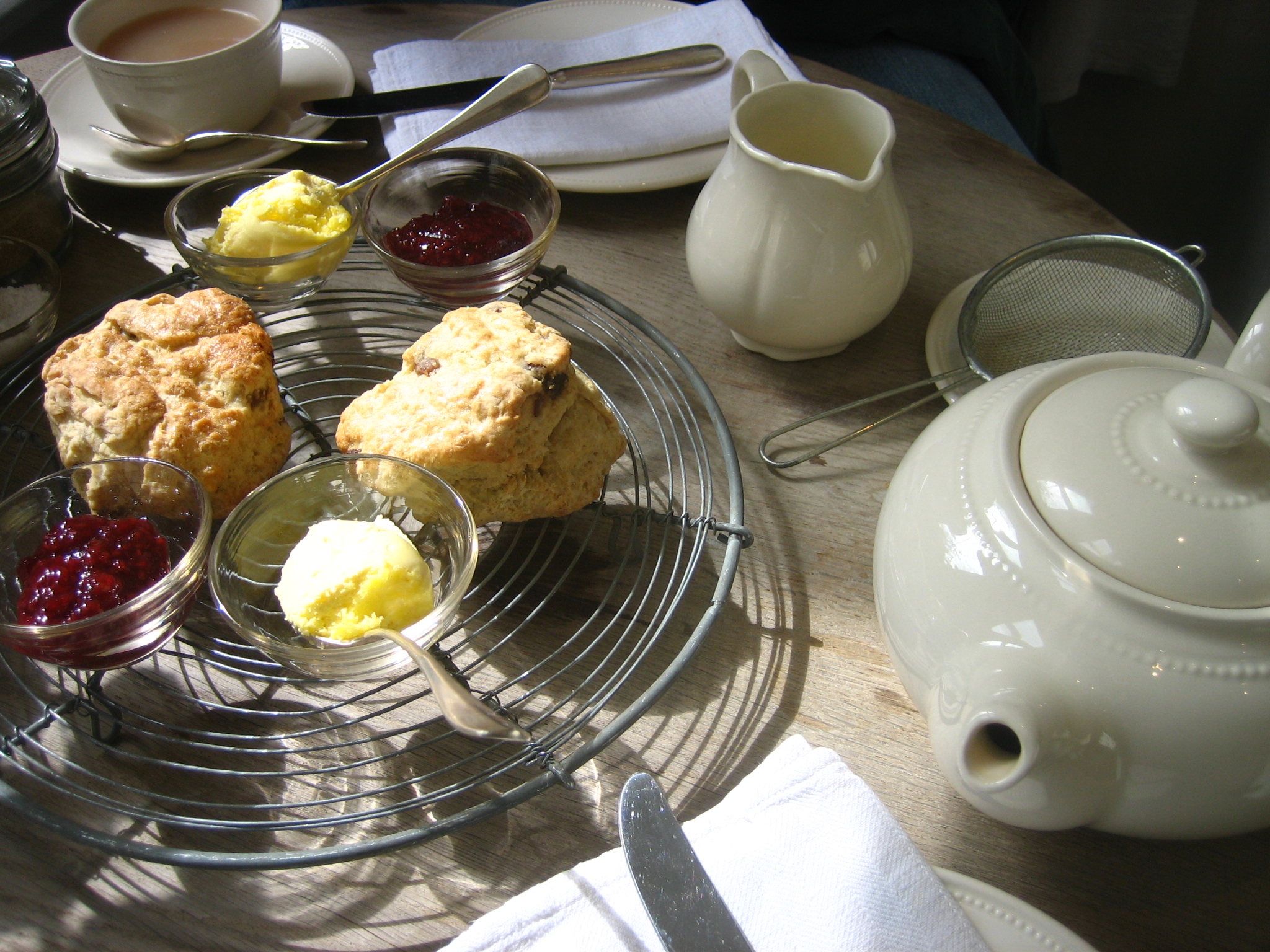
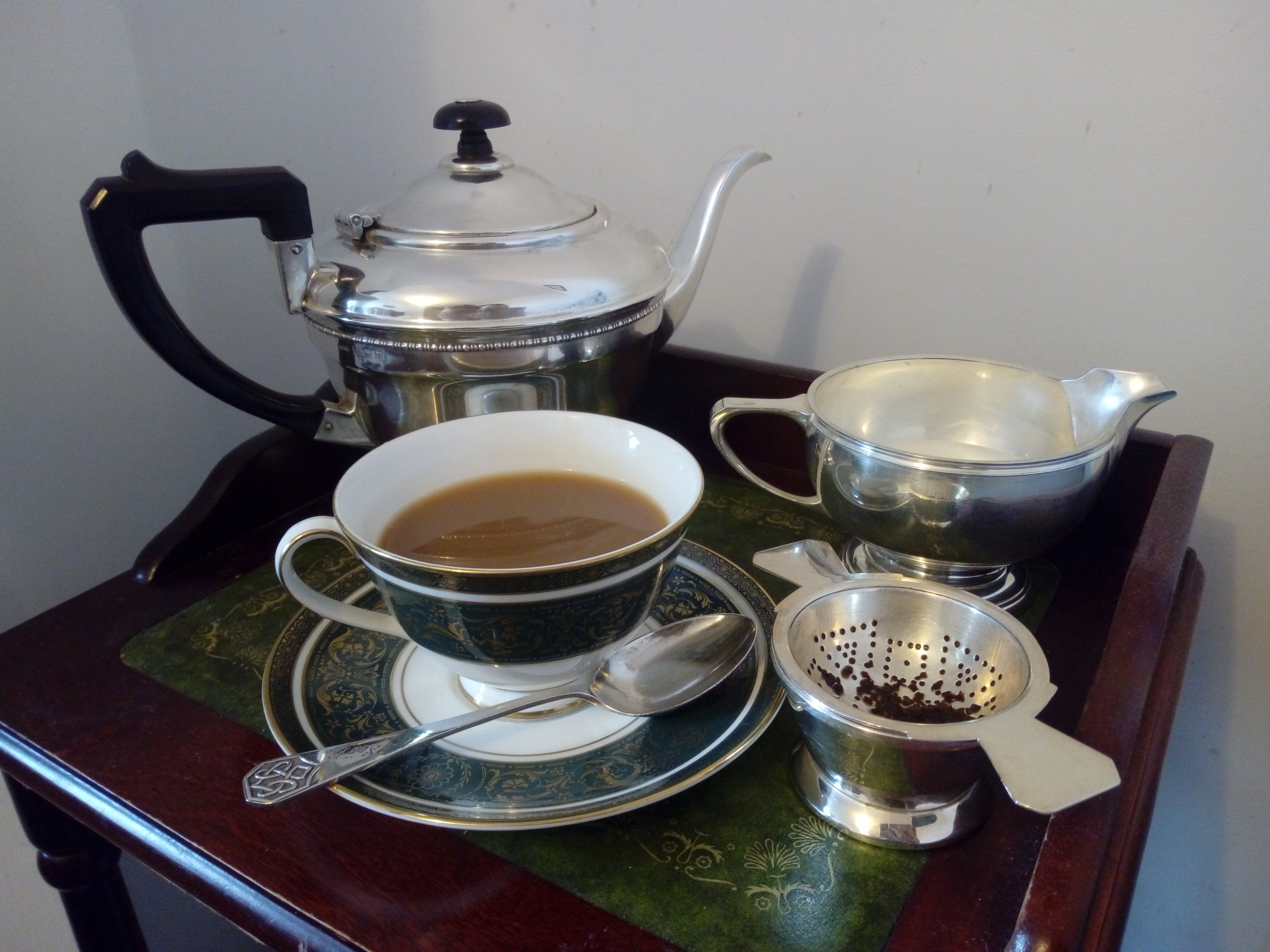
- Let it brew. Loose-leaf pots usually arrive with a strainer. Give the leaves a few minutes; our guide to how to brew loose leaf tea covers why timing matters.
- Pour for others. Offer tea to the people around you before filling your own cup, and use the strainer if one is provided.
- Milk, sugar and lemon are your choice. Add milk to black tea if you like; lemon suits lighter teas. Most people choose one or the other rather than both, and it is fine to taste the tea plain first.
- Stir quietly. A gentle back-and-forth stir avoids clinking, and the spoon rests on the saucer afterwards.
- Hold the cup by its handle. Lift the saucer with the cup only if you are standing or sitting far from the table.
The order of eating
| Tier or course | What it usually holds | How to approach it |
|---|---|---|
| Savories | Finger sandwiches, small tarts | Eat these first, by hand |
| Scones | Plain or fruit scones with cream and jam | Break by hand, spread each piece as you go |
| Sweets | Small cakes, pastries, tarts | Finish with these; a small fork is fine |
- Start at the savory end. Sandwiches first, then scones, then cakes is the usual order.
- Break scones by hand. Pull them apart rather than cutting with a knife, then add cream and jam to each piece as you eat it.
- Cream or jam first? It is a friendly, long-running regional debate in England. Either way is acceptable.
- Ask for more. Many venues will refill sandwiches or tea on request; just ask your server.
Small courtesies that go a long way
- Napkin on your lap, and on your chair if you step away.
- Phones away. A quick photo of the stand is common now; long calls at the table are not.
- Keep the pace shared. Afternoon tea is meant to be slow, so do not rush through the tiers ahead of your companions.
- Take leftovers if offered. Many tea rooms will box uneaten cakes.
Frequently asked questions
Is it rude to raise your little finger when drinking tea?
It is not rude, but it is not expected either. Simply hold the cup by its handle in whatever way feels natural.
Can I have afternoon tea if I cannot eat gluten or dairy?
Often, yes, but tell the venue when you book. Because UK businesses must give allergen information but need not provide an alternative, the earlier they know, the better your options.
What is the difference between a cream tea and afternoon tea?
A cream tea is a simpler serving of scones with cream and jam and a pot of tea. Afternoon tea adds sandwiches and cakes, usually on a tiered stand.
Putting your afternoon tea etiquette into practice
Book, mention your needs, then simply follow the stand from bottom to top at an easy pace. Remember that the point is a leisurely pot of tea in good company. For more on choosing and brewing what goes in the cup, explore our tea articles.