A successful non alcoholic pairing follows the same logic as wine pairing: acidity cuts richness, sweetness calms heat, bitterness and tannin need fat or protein, and bubbles refresh the palate. So when you choose an alcohol-free drink for a meal, judge it on those qualities rather than on how closely it imitates wine or beer. Brewed tea brings tannin, sparkling drinks bring lift, tart drinks bring acidity, and sweeter drinks suit spice and dessert. Read the label too, because “non-alcoholic” and “alcohol-free” do not always mean the same thing.
Key takeaways
- Choose by structure: acidity, sweetness, bitterness or tannin, bubbles and body.
- Tea is a strong pairing drink because it brings tannin and bitterness, like red wine.
- Bubbles and acidity refresh the palate between rich or fried bites.
- Sweet drinks suit spicy dishes but can make a savory meal feel heavy.
- On US malt beverages, “non-alcoholic” means under 0.5% alcohol; “alcohol free” means none.
What to look for in a non alcoholic pairing
The Virginia Tech enology group’s guide to matching food and wine explains pairing through a balance of sweetness against acidity, astringency and bitterness, and shows how food shifts that balance: acidic food makes a drink seem sweeter, sugar makes it seem sharper, fat and protein mute astringency, and salt can magnify acidity and tannin. None of that depends on alcohol. Use these criteria when choosing:
| Quality | What it does at the table | Drinks that have it |
|---|---|---|
| Acidity | Cuts fat, brightens flavors | Citrus-based sodas, tart juices, vinegar-based shrubs, some kombuchas |
| Bubbles | Refreshes the palate between bites | Sparkling water, sodas, sparkling alcohol-free wines |
| Tannin and bitterness | Stands up to fat and protein | Black tea, oolong, cold brew coffee, bitter sodas |
| Sweetness | Balances chili heat and salt | Fruit juices, lightly sweet sodas, sweet tea |
| Body | Matches rich or delicate dishes | Light: sparkling water. Fuller: juices, alcohol-free wines |
A drink that brings two or three of these at once, such as a tart, lightly bitter sparkling drink, will be versatile across a meal.
Tea: the most adaptable option
Tea is often the most food-friendly alcohol-free drink because it has real structure. Black and oolong teas carry tannins, which Britannica’s article on tea describes as giving tea its astringent, bitter quality. That makes a strong black tea a fair match for red meat or hard cheese, the same way a tannic red would be. Green teas are lighter and suit fish and vegetables.
When you buy or order tea for a meal, consider:
- Strength. A longer steep gives more grip; a shorter one gives a softer cup. Our guide to how to brew loose leaf tea explains how to control it.
- Temperature. Hot tea with soup or a stew; iced tea with grilled food or salads.
- Caffeine. At dinner, a lightly oxidized tea or a short steep may suit you better than a strong pot.
Sparkling and tart drinks: for rich and fried food
Bubbles and acidity do for fried food what a crisp white or sparkling wine does. The Virginia Tech guide notes that carbonation helps clean the palate and adds to the sense of acidity. Choose a dry, citrusy sparkling drink with tempura, fried chicken or creamy pasta. Tart, vinegar-based drinks known as shrubs bring sharp acidity that suits fatty or smoky food.
Watch the sugar. A very sweet soda with a savory meal can make the food taste flat and the drink cloying.
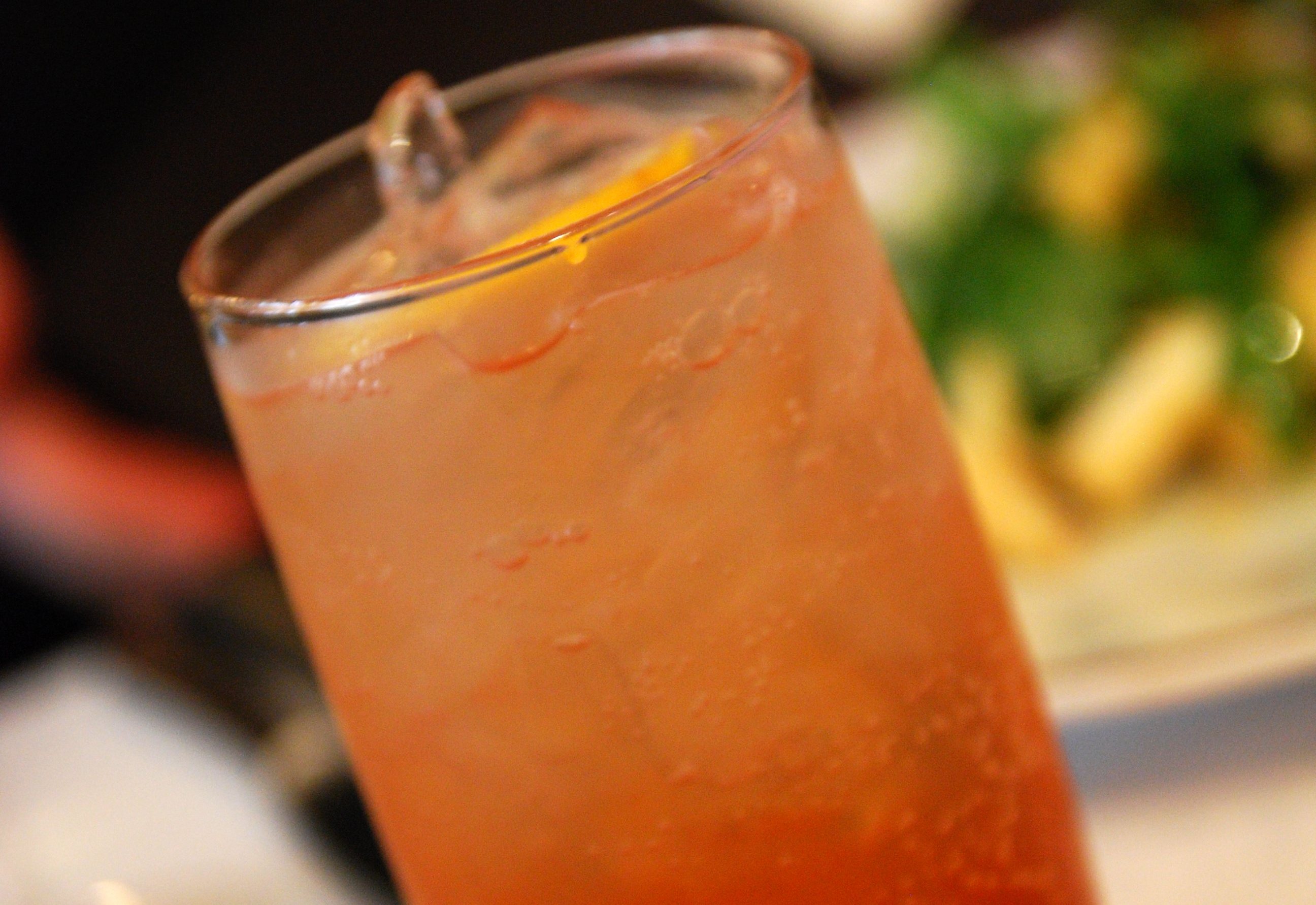
Alcohol-free wine and beer: read the label
Products that imitate wine or beer vary a lot. Some are made as wine or beer and then have the alcohol removed; others are blended drinks. For malt beverages sold in the United States, the federal labeling rule at 27 CFR 7.65 allows “non-alcoholic” only when the label also states that the drink contains less than 0.5 percent alcohol by volume, and allows “alcohol free” only for malt beverages with no alcohol at all. If you need to avoid alcohol completely, look for the second wording or a clear 0.0% statement.
When buying these, consider:
- Dryness. Many are sweeter than their alcoholic versions; a drier one usually pairs better with savory food.
- Acidity. Higher acidity helps the drink stay fresh with rich dishes.
- Bitterness. Alcohol-free beers often keep hop bitterness, which suits salty snacks and fried food.
Matching drinks to the meal
- Spicy food: a lightly sweet, cold drink such as sweetened iced tea or a fruit-based soda.
- Fried or creamy dishes: sparkling water with citrus, a dry sparkling drink or a shrub.
- Red meat and hard cheese: strong black tea or a bitter, dry soda.
- Fish and vegetables: green tea or still water with lemon.
- Dessert: a drink at least as sweet as the dessert, the same rule as in our guide to wine pairing basics, or a short coffee.
Frequently asked questions
Can I ask for an alcohol-free pairing at a restaurant?
Yes. Many restaurants have alcohol-free options beyond soft drinks. Ask the server the same way you would for wine, describing your dishes and the style you like, as in our walkthrough on ordering wine at a restaurant.
Does kombucha contain alcohol?
Kombucha is fermented, so check the label for its stated alcohol content rather than assuming it is alcohol-free.
Is plain water a poor pairing?
No. Still or sparkling water is the most neutral partner and lets the food speak. It is a fine choice when dishes vary widely.
Choose your next drink by taste
At your next meal, pick one dish and try two drinks with it: one tart and sparkling, one tannic like black tea. Notice which one makes the food taste better. That quick test teaches you more than a list of rules. More ideas for matching drinks with food are in our drinks and pairing section.