Ordering wine at a restaurant is a short conversation, not a test. Decide roughly what you want to spend before you open the list, note what the table is eating, choose a style rather than a specific bottle, and ask the server or sommelier to suggest two options within that style. When the bottle comes, check that it is the one you ordered and taste it for faults, not for preference. That is the whole job. The walkthrough below follows one realistic dinner from start to finish so you can see each decision as it comes.
Key takeaways
- Settle your spending range privately before the list arrives, then point to it if needed.
- Choose by style and by the food on the table, not by a famous name.
- Read the label: region, grape and vintage each carry specific legal meaning.
- The tasting pour checks for faults; it is not a chance to change your mind.
- A bottle is about five standard glasses, so plan the pace for the table.
Say you are out with three friends at a mid-range restaurant. One orders grilled fish, one a mushroom risotto, one roast chicken and one a steak. Someone hands you the wine list because you once mentioned you like wine. You want one or two bottles that will work for everyone, and you do not want a long ceremony.
Step 1: Start ordering wine at a restaurant by reading the list
Before looking at individual bottles, look at the structure. Most lists group wines in one of three ways:
- By color and style: sparkling, white, rosé, red, sweet. Within each, often light to full.
- By region: country first, then region.
- By grape: all the Pinot Noir together, all the Chardonnay together.
Knowing the layout tells you where to look. For a mixed table, the most useful sections are usually the medium-bodied whites and lighter reds.
Step 2: Decode what a label tells you
Labels carry more legal meaning than many people realize. For wines sold in the United States, the Alcohol and Tobacco Tax and Trade Bureau’s labeling manual on appellation and vintage sets minimums:
| Label element | What it guarantees for US labeling |
|---|---|
| A named grape variety | At least 75% of the wine is from that grape |
| A state or county name | At least 75% of the wine comes from fruit grown there |
| An American viticultural area | At least 85% of the wine comes from grapes grown in that area |
| A vintage year with a state or county | At least 85% comes from grapes harvested that year |
| A vintage year with a viticultural area | At least 95% comes from grapes harvested that year |
The 75% varietal rule is noted in a New Mexico State University extension tasting guide. Wines from other countries follow their own rules, which can be stricter. In practice, a specific region and vintage tell you that the wine reflects a particular place and year; a broad regional name usually means a more blended, consistent style.
Step 3: Match the style to the table
With fish, risotto, chicken and steak, no single wine is perfect, so aim for flexible. Our guide to wine pairing basics explains the logic: acidity suits rich and fried food, fat and protein soften tannin, and a light red or a fuller white sits comfortably in the middle. For this table, two good routes are:
- One bottle of a fresh, medium-bodied white for the fish and risotto, then one lighter red with soft tannin for the chicken and steak.
- A single bottle of a light, fruity red or a dry rosé that can stretch across all four dishes.
If you do not know which wines on the list fit, ask.
Step 4: Ask a precise question, then point
Good staff want to help, but they need specifics. A useful request sounds like this: “We have fish, risotto, chicken and steak. We would like something medium-bodied that works across all of it, around this range,” while pointing to a wine at the level you are comfortable with. Pointing communicates a budget without saying a figure aloud, and the server will usually suggest options close to it.
Ask for two suggestions and a sentence about each. Choose the one that sounds closer to what the table likes.
Step 5: The presentation and the tasting pour
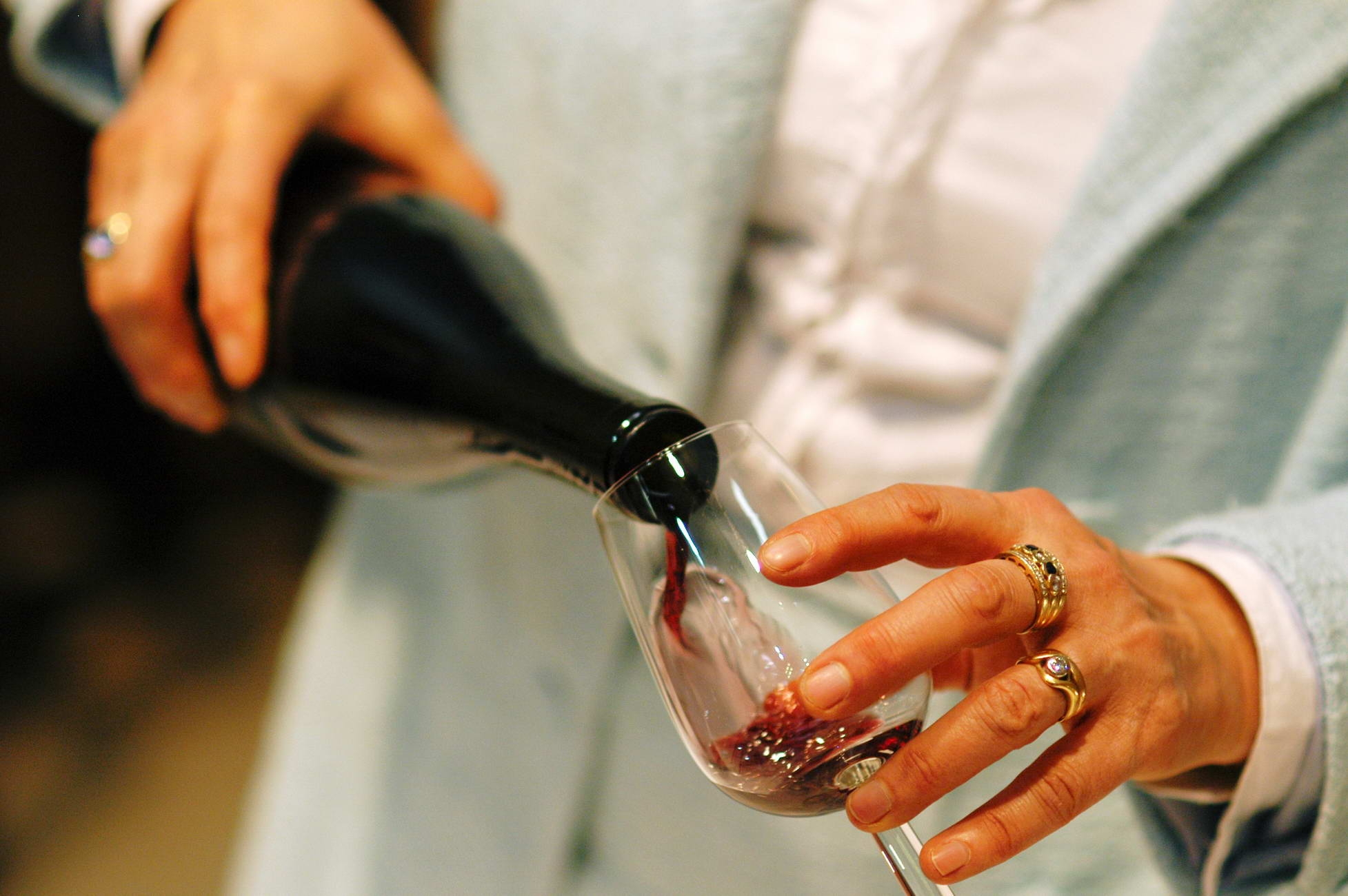
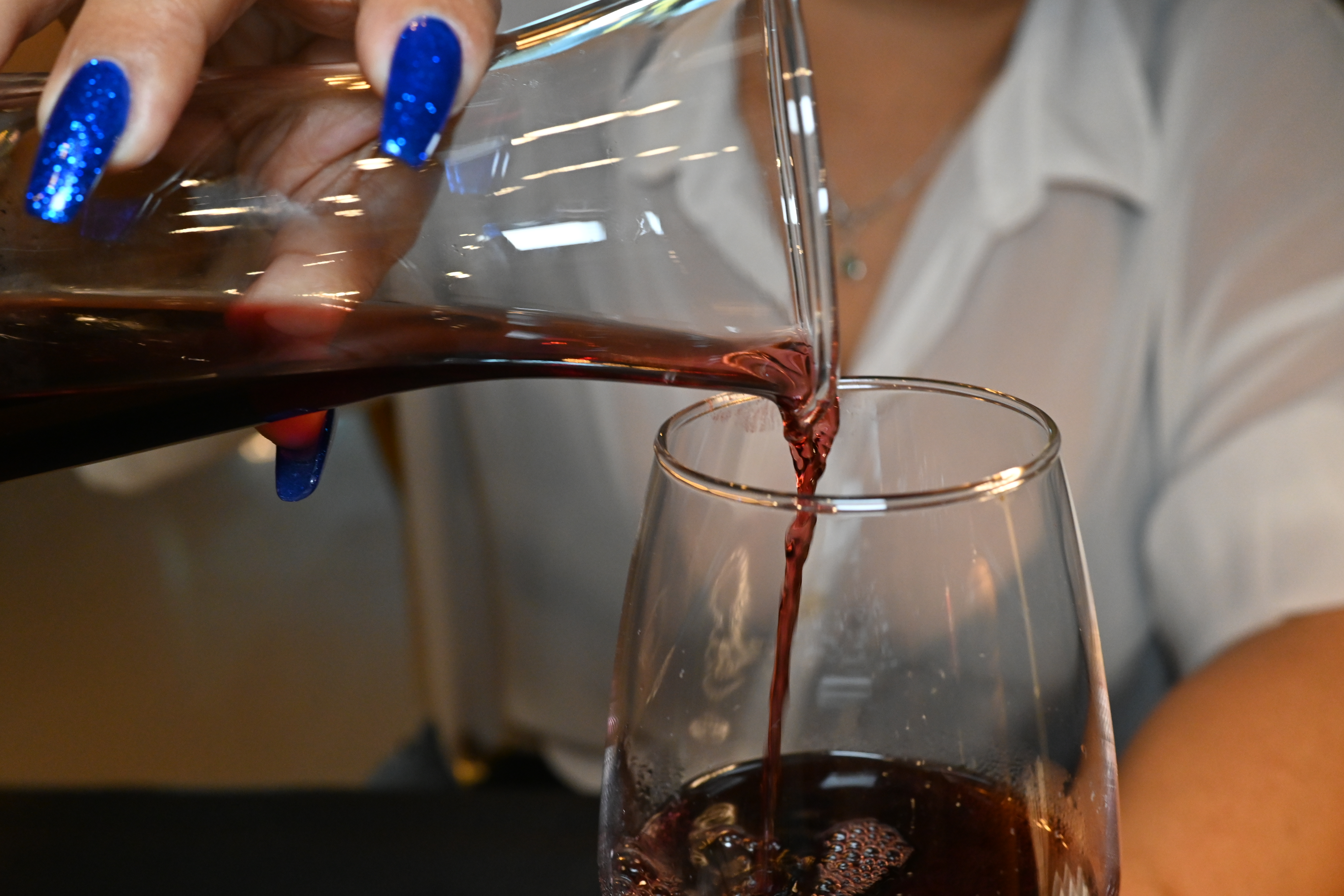
When the bottle arrives, the server shows you the label. Check three things: producer, wine and vintage match what you ordered. They will open it and pour a small taste.
This taste is for faults. A wine that smells clearly musty, damp or vinegary may be flawed, and it is reasonable to say so politely and ask the server to taste it. If it simply is not to your liking, that is not a fault; enjoy it anyway and choose differently next time. Once you nod, the server pours for the rest of the table.
Step 6: Pace the bottle
The NIAAA defines a US standard drink as 5 fluid ounces of table wine at about 12% alcohol. A standard 750-milliliter bottle holds a little over 25 fluid ounces, so it is about five standard glasses. For four people, that is one modest glass each with a little left over. Order a second bottle only if the table wants it, keep water glasses filled, and remember that restaurant pours do not always match a standard drink.
Frequently asked questions
Is it rude to order the house wine?
No. Many restaurants choose their house wines carefully to suit their menu. If it fits the food, it is a perfectly good order.
Should I order by the glass or the bottle?
If people want different styles or only one glass each, by the glass is often better. If three or more people want the same style, a bottle is usually simpler.
What should I do with the cork?
Nothing in particular. Some servers place it on the table. You do not need to smell it; the wine in the glass tells you more.
At your next dinner
Before you open the list, decide your range, note the dishes, and pick a style. Ask for two options, check the label, taste for faults and pour with care. If dessert follows, a short coffee is a gentle way to close the meal, and our comparison of espresso drinks can help you choose one. More pairing guides are in our drinks and pairing section.