
Caffeine and focus are linked, but less simply than the habit suggests. Caffeine is a stimulant that can make you feel more awake, its level in the blood peaks within about an hour, and its effects can last four to six hours. Beyond a moderate amount, though, extra caffeine tends to bring restlessness and poor sleep rather than sharper thinking, and regular drinkers build tolerance. The useful questions are how much, when, and what it costs you later in the day.
Below are the most common myths, set against what official health and food safety sources say.
Key takeaways
- Caffeine stimulates the central nervous system and can increase feelings of alertness.
- It peaks within about an hour, and effects can last four to six hours.
- More is not better: too much causes restlessness, shakiness and anxiety.
- Caffeine close to bedtime can disturb sleep, which hurts focus the next day.
- Regular use builds tolerance, and stopping suddenly can cause withdrawal headaches.
Myth: More caffeine means more focus
Fact: There is a useful range, and going past it backfires. MedlinePlus, from the US National Library of Medicine, describes caffeine as a stimulant that can make you feel more awake and give you a boost of energy. The same page lists what too much brings: restlessness and shakiness, insomnia, headaches, dizziness, a fast heart rate, anxiety and dependency.
On the low end, European regulators have been cautious about what a small dose can claim. When a company asked to market a product as helping to increase alertness from 40 milligrams per serving, the claim was refused; the EU regulation recording that decision notes that the European Food Safety Authority reiterated its view that a product should contain at least 75 milligrams per serving to bear such a claim.
The practical reading: a moderate cup can help, and doubling it rarely doubles the benefit.
Myth: Caffeine and focus kick in the moment you drink
Fact: It takes a while. MedlinePlus says caffeine reaches its peak level in the blood within about one hour and that effects can last four to six hours. If you want to be alert for a meeting, drinking your coffee or tea a little ahead of time makes more sense than gulping it on the way in. It also means a mid-afternoon cup is still active well into the evening.
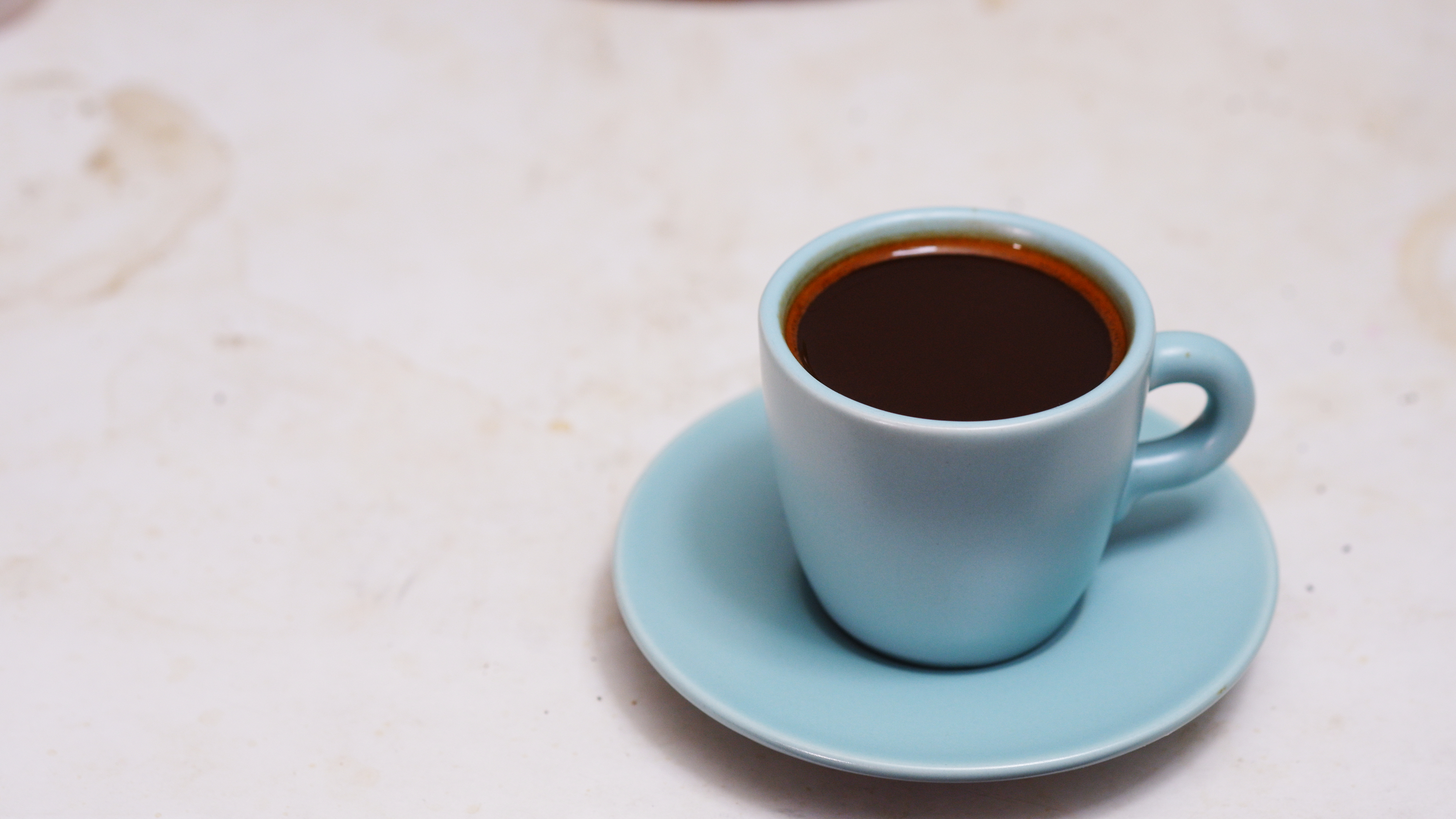
Myth: An afternoon coffee will not affect tonight’s sleep
Fact: For some people it will. In its scientific opinion summarized on the EFSA caffeine topic page, the European Food Safety Authority says a single dose of 100 milligrams may affect sleep duration and patterns in some adults, especially when taken close to bedtime. Poor sleep then undermines concentration the next day, which can push you toward more caffeine. If your focus slumps by mid-morning, look at what time your last cup was the day before.
Myth: Regular coffee drinkers are immune to its effects
Fact: Regular use changes how caffeine works on you, but not in a way that removes the downsides. MedlinePlus notes that people who use it regularly may need more to get the same effect, and that stopping after regular use can cause headaches, drowsiness, irritability, nausea and trouble concentrating. Those symptoms usually ease after a couple of days. If you notice you need a coffee simply to feel normal, that is tolerance at work.
Quick myth and fact check: limits and sources
| Myth | Fact |
|---|---|
| There is no safe upper amount | EFSA says up to 400 mg a day, spread across the day, raises no safety concerns for healthy adults other than pregnant women |
| A single big dose is fine if you are used to it | EFSA considers single doses up to 200 mg safe for healthy adults |
| Tea has too little caffeine to matter | MedlinePlus gives 14 to 60 mg for an 8-ounce cup of tea |
| Coffee always has the same amount | MedlinePlus gives about 95 to 200 mg for an 8-ounce cup, a wide range |
| Pregnancy makes no difference | EFSA advises up to 200 mg a day during pregnancy and breastfeeding |
These figures come from official summaries and apply to healthy adults. People with medical conditions, those taking certain medicines, and children should follow their own clinician’s advice.
Frequently asked questions
Is tea better than coffee for steady focus?
Tea usually contains less caffeine per cup, so it is easier to keep your intake moderate across a day. How much leaf you use and how long you steep it change the amount a lot, which is why our guide to how to brew loose leaf tea suggests timing every steep.
Should I drink coffee while working from a café all day?
Pace it. Refills add up over a long session. Our checklist for working from a cafe suggests switching to tea, decaf or food for later orders.
What is the best time for a focus-boosting cup?
There is no single answer, but because caffeine peaks within about an hour and lasts several hours, a cup before your most demanding task and no caffeine late in the day is a sensible pattern for most people.
Use caffeine on purpose
Treat caffeine like any other tool: decide when you need it, take a moderate amount, and stop early enough to protect your sleep. Track for a week what you drink and when you feel sharpest, and adjust from there. More on daily habits and how drinks fit into them is collected in our lifestyle section.