Cider and food pairing works on the same principles as wine: match weight with weight, use acidity to cut richness and let sweetness balance salt and spice. A crisp, dry cider suits pork, roast chicken and fried food; a richer, more tannic farmhouse style stands up to cheese and hearty stews; a sweeter, lower-alcohol French cidre works with crepes, fruit desserts and salty cheese. To choose well, check three things on the label or drinks list: how dry or sweet it is, whether it is sparkling or still, and where it comes from. This buyer’s guide walks you through each so you can pick confidently in a store or a restaurant this fall.
Key takeaways
- Decide on sweetness first: dry ciders suit savory food, sweeter ones suit desserts and salty cheese.
- Sparkling ciders refresh the palate between rich bites; still ciders feel softer.
- Regional styles differ: English, French and Spanish ciders each have their own character.
- In the US, “hard cider” is the alcoholic drink; “cider” can mean unfermented apple juice.
What cider is, and why names matter
The encyclopedia entry on cider describes it as an alcoholic drink made from fermented apple juice, with traditional English ciders ranging from about 1.2 to 8.5 percent alcohol by volume and some continental styles reaching around 12 percent. It notes that in the United States and Canada the alcoholic version is often called hard cider, to distinguish it from sweet cider, which is unfermented pressed apple juice. On a US menu, “cider” without the word hard can mean either, so ask if you are unsure. Perry is a similar drink made from fermented pear juice.
Cider and food pairing by style
| Style | What to expect | Pair with |
|---|---|---|
| Dry, sparkling | Crisp, tart, refreshing | Pork chops, fried chicken, fish and chips, salads |
| Off-dry or medium | Fruity with gentle sweetness | Roast chicken, ham, mild curries |
| Sweet, lower alcohol (French cidre style) | Soft, apple-rich, often lightly sparkling | Crepes, apple tart, salty cheeses |
| Tannic, farmhouse style | Fuller, more grip, sometimes cloudy | Aged cheddar, sausages, stews |
| Still Spanish sidra style | Sharp, tart, still | Seafood, cured meats, small plates |
| Perry | Delicate, floral, pear-scented | Soft cheeses, light desserts |
Understanding regional styles
The same encyclopedia entry outlines several traditions worth knowing when you browse a shelf or a list:
- English. West Country ciders tend to use more true cider apples and are sharper and richer in tannins, while ciders from Kent and East Anglia are typically clearer and lighter.
- French cidre. Mainly from Normandy and Brittany. Sweeter, lower-alcohol versions are made using a process called keeving.
- Spanish sidra. Still cider from Asturias, traditionally poured from a height to aerate it.
- German Apfelwein. Tart, with roughly 5.5 to 7 percent alcohol.
It also explains that modern ciders often use culinary apples, which are lower in tannin and higher in acidity, while heritage ciders use bittersweet, bittersharp, crab and wild apples for more tannin. That is a helpful clue: a cider described as heritage or made with cider apples will usually have more structure and stand up to richer food.
What to look for when buying
- Sweetness wording. Dry, medium, sweet, brut or doux on the label are the quickest guide to how it will taste.
- Sparkling or still. Bubbles lift fried and fatty dishes; still cider feels softer and suits gentler food.
- Alcohol content. Ciders vary widely. Check the ABV on the label so you know what you are drinking.
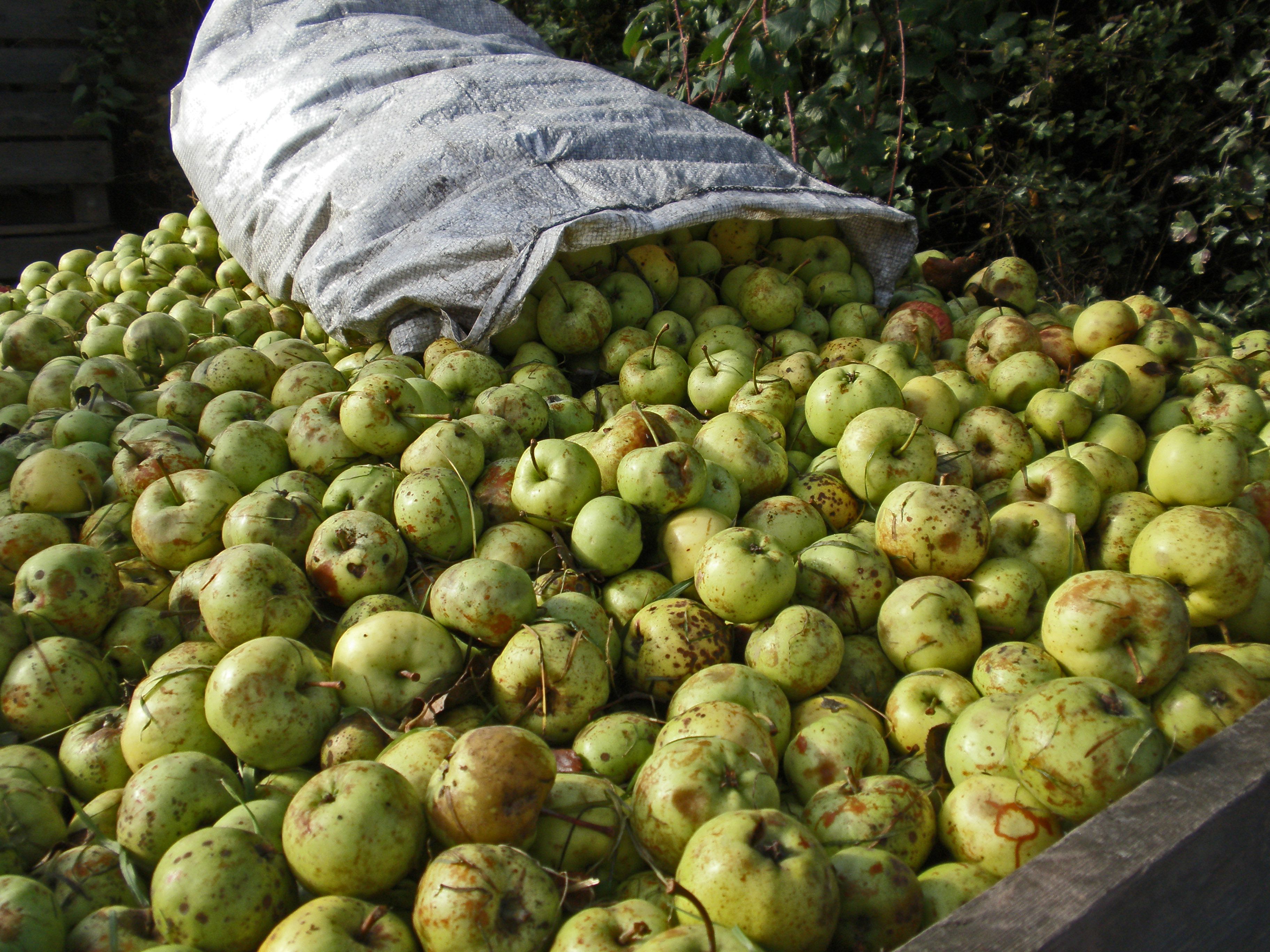
- Apple type. Heritage or cider-apple ciders bring tannin; dessert-apple ciders are lighter and fruitier.
- Clarity. Cloudy, unfiltered ciders often taste fuller.
- Region. An English, French or Spanish origin hints at the style, as described above, which helps when the label says little else.
If you already know how to match beer with food, many of the same instincts apply; our guide to beer and food pairing explains the principles of matching intensity, cutting richness and finding complementary flavors.
Drinking cider sensibly
Cider can be stronger than it tastes, especially sweeter styles. The NHS guide to calculating alcohol units explains how strength and serving size add up and advises not regularly drinking more than 14 units a week. Pour smaller glasses when tasting several ciders with a meal, drink water alongside and plan how you will get home. If you prefer not to drink alcohol, sparkling apple juice or a good alcohol-free cider can play the same role at the table; our guide to non-alcoholic pairing has more ideas.
Frequently asked questions
Is cider a good match for cheese?
Often, yes. Dry and tannic ciders suit hard cheeses, while sweeter styles balance salty and blue cheeses.
Should cider be served very cold?
Crisp, sparkling ciders are refreshing well chilled. Fuller, more complex ciders can show more flavor when served a little less cold.
Can I cook with cider?
Yes. Many recipes use cider in sauces and braises with pork, chicken or mussels. Use a cider you would also drink, and choose a dry one for savory dishes so the sauce does not turn too sweet as it reduces.
Choosing your next bottle
Start with sweetness, then think about bubbles and the weight of your dish. A dry sparkling cider with pork or fried food, a tannic farmhouse cider with cheese and a sweet French-style cidre with dessert will cover most meals. Cider and food pairing rewards a little experimentation, so try two styles side by side and see which you prefer. For more matches, browse our drinks pairing guides.