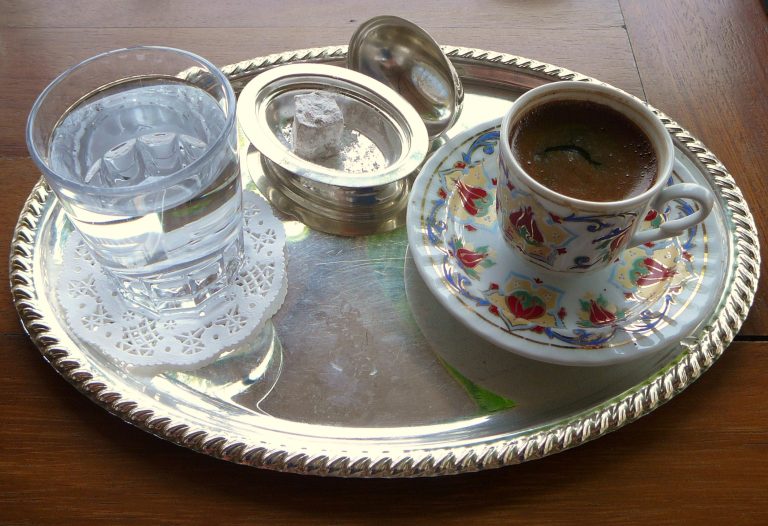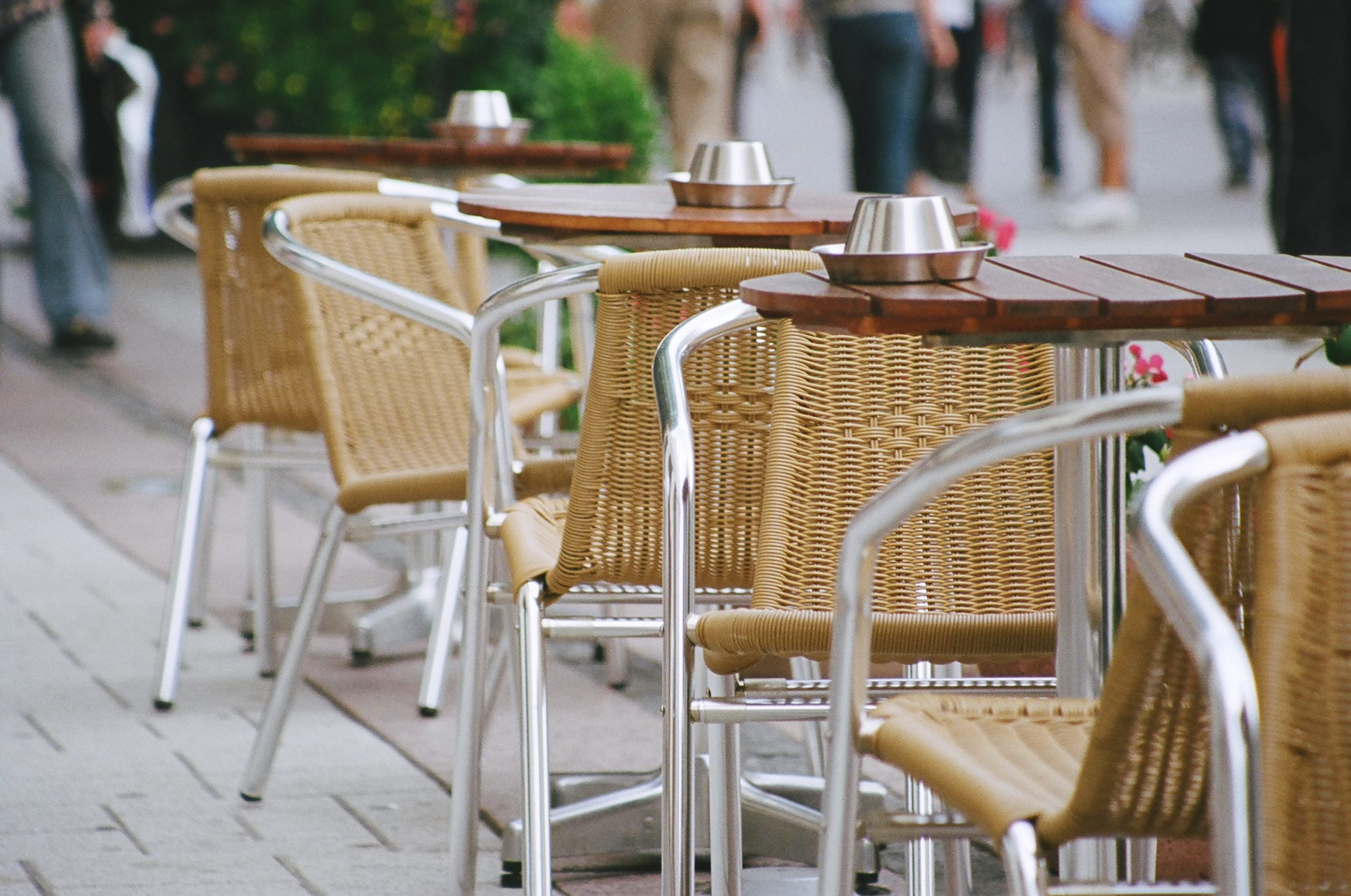
A third place is an informal public spot where people gather regularly and voluntarily, outside home (the first place) and work (the second). The term comes from the American sociologist Ray Oldenburg, who described it in his 1989 book The Great Good Place. Cafés are the classic example because they are open to anyone, cheap to linger in, and built around conversation. Understanding the idea helps explain why a good neighborhood café can feel like much more than a place to buy coffee.
Key takeaways
- Ray Oldenburg coined “third place” for the informal gathering spots beyond home and work.
- Good third places are neutral ground, put conversation first and welcome both regulars and newcomers.
- Cafés, taverns, general stores and similar everyday venues were among his examples.
- Coffeehouses have played this social role for centuries, from Mecca and Constantinople to London.
- You can strengthen a third place simply by showing up, talking to people and being a considerate regular.
Where the third place idea comes from
Ray Oldenburg (1932 to 2022) was a sociologist at the University of West Florida. According to the profile published by the nonprofit Project for Public Spaces, he coined the term in The Great Good Place and defined third places as “a generic designation for a great variety of public places” where people gather regularly, voluntarily and informally, beyond home and work.
His examples were deliberately ordinary: bars, coffee shops, general stores, taverns, doughnut shops, pool halls and similar spots. He saw them as important for local democracy, for the habits of association that lead people into other civic groups, and for well-being. The same profile records him calling them “the heart of a community’s social vitality” and warning that they were “a diminishing aspect of the American social landscape.”
The idea traveled well beyond sociology. The profile notes that he consulted with cities including San Jose, Stockholm and Osaka, and that after he retired his university created a “Third Place” community room in its library. The book itself was reissued in 2023, more than three decades after it first appeared, which says something about how current the question still feels.
What makes a good third place
Across his writing, a few characteristics stand out. The Project for Public Spaces summary highlights these:
| Characteristic | What it means in practice |
|---|---|
| Neutral ground | Nobody is host or guest; you can come and go without an invitation |
| Equals | Status at work or elsewhere matters little once you sit down |
| Conversation | Talk is the main activity, and the mood tends to be playful |
| Regulars and newcomers | Regulars give the place its character, but strangers are welcome |
| A home-like feeling | People feel warmth and a sense of belonging |
Notice what is not on the list: fancy design, an elaborate menu or a particular kind of coffee. A plain room with good light and a friendly counter can meet every point.
Why cafés are the classic third place
Coffeehouses have filled this role for a long time. Britannica’s history of coffee traces coffeehouses first in Mecca and then in Constantinople in the 15th and 16th centuries, and records that by the end of the 17th century they were flourishing in Britain, the British colonies in America and continental Europe. London’s coffeehouses became meeting points for news, discussion and political and financial life.
Some of that history lives on in quieter ways. Coffeehouses were long associated with games and conversation, a thread we follow in our short history of chess and coffeehouses. And the shape of café life still varies by country, as our guide to coffee culture around the world shows.
Third places beyond the café
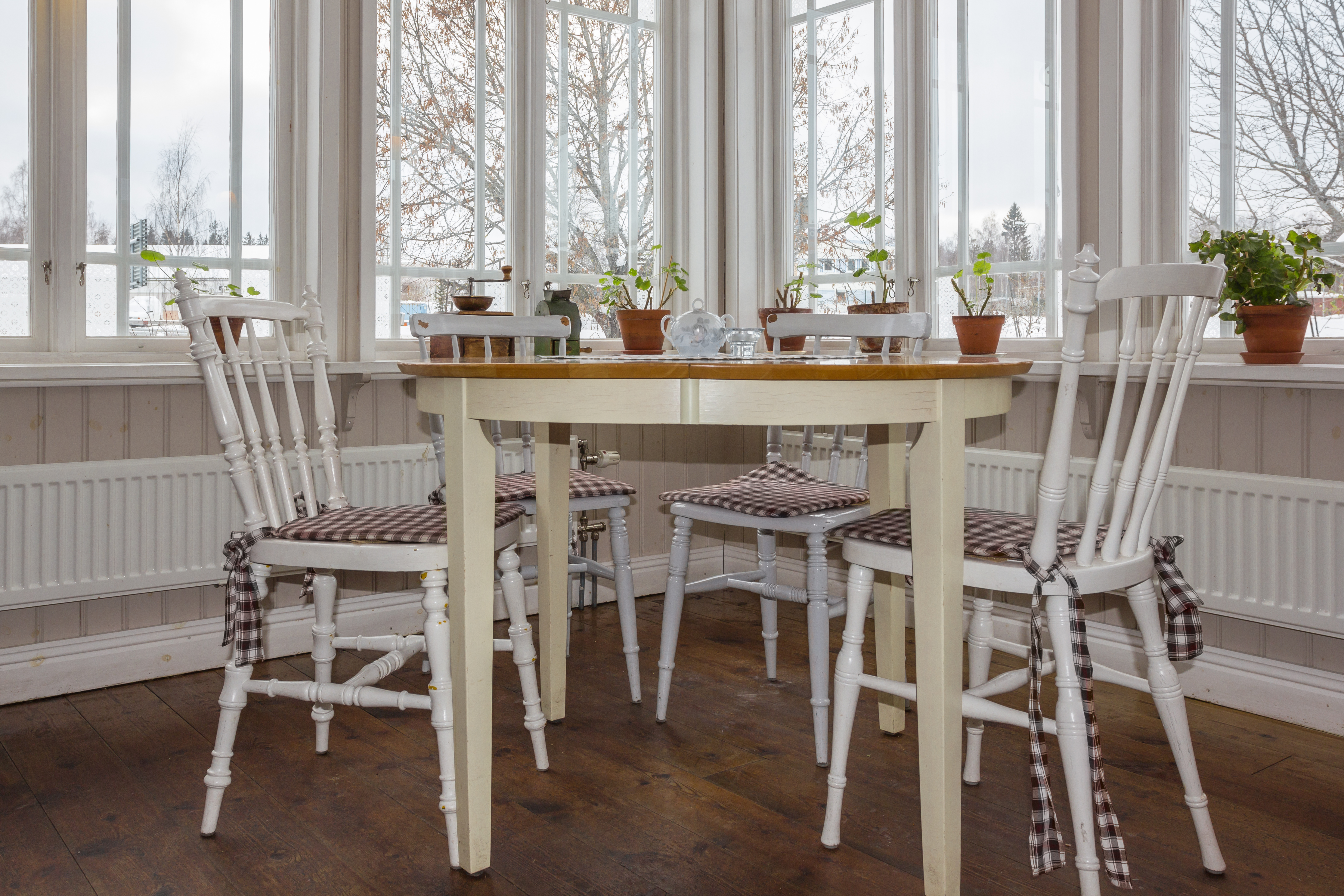
Cafés are not the only option. Libraries, community centers, parks, barbershops, markets and local clubs can all work as third places. What they share is low cost of entry, easy access from where people live, and permission to stay without a specific purpose. A small café inside a community center or heritage site can be one of the best examples, because it mixes regulars and visitors naturally.
How to be a good regular
Third places depend on the people who use them. A few habits help keep them welcoming:
- Buy something and come back. Regular custom is what keeps an independent café open.
- Share the space. Avoid spreading across a table for four at busy times; our etiquette checklist for working from a café covers this in detail.
- Say hello. Greeting staff and familiar faces is how a room of strangers becomes a place.
- Notice newcomers. A nod or a shared table invitation goes a long way.
- Respect the mood. Keep calls short and voices at a café level.
Frequently asked questions
Is a coffee chain a third place?
It can be. Oldenburg’s test is about how a place is used, not who owns it. If people come regularly, talk, recognize each other and feel welcome to linger, it is working as a third place.
Can an online community be a third place?
Online spaces can offer conversation and belonging, but Oldenburg’s examples were physical places you could walk into. Many people find that online groups work best when they lead to meeting somewhere in person.
Why do people say third places are disappearing?
Oldenburg himself warned that they were a diminishing part of American life. Whether that is true in your area depends on local factors, which is a good reason to support the ones you value.
Finding your own third place
Look for somewhere within easy reach where you can sit without pressure to leave, then go at the same time each week for a month. Learn a name or two, and let it become part of your routine. For more on the social side of coffee and tea, explore our café culture articles.