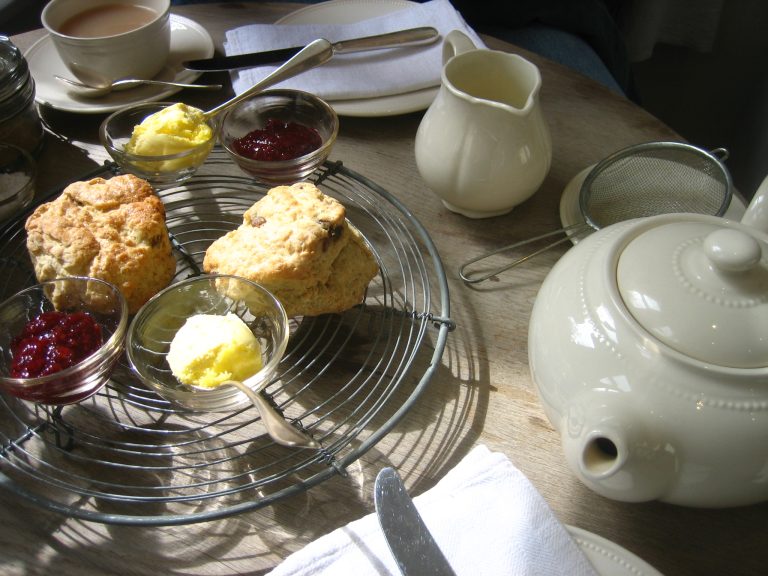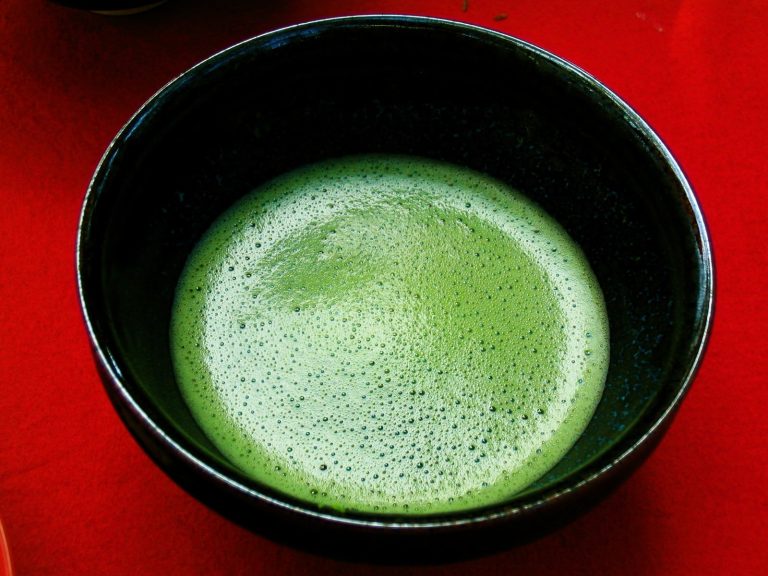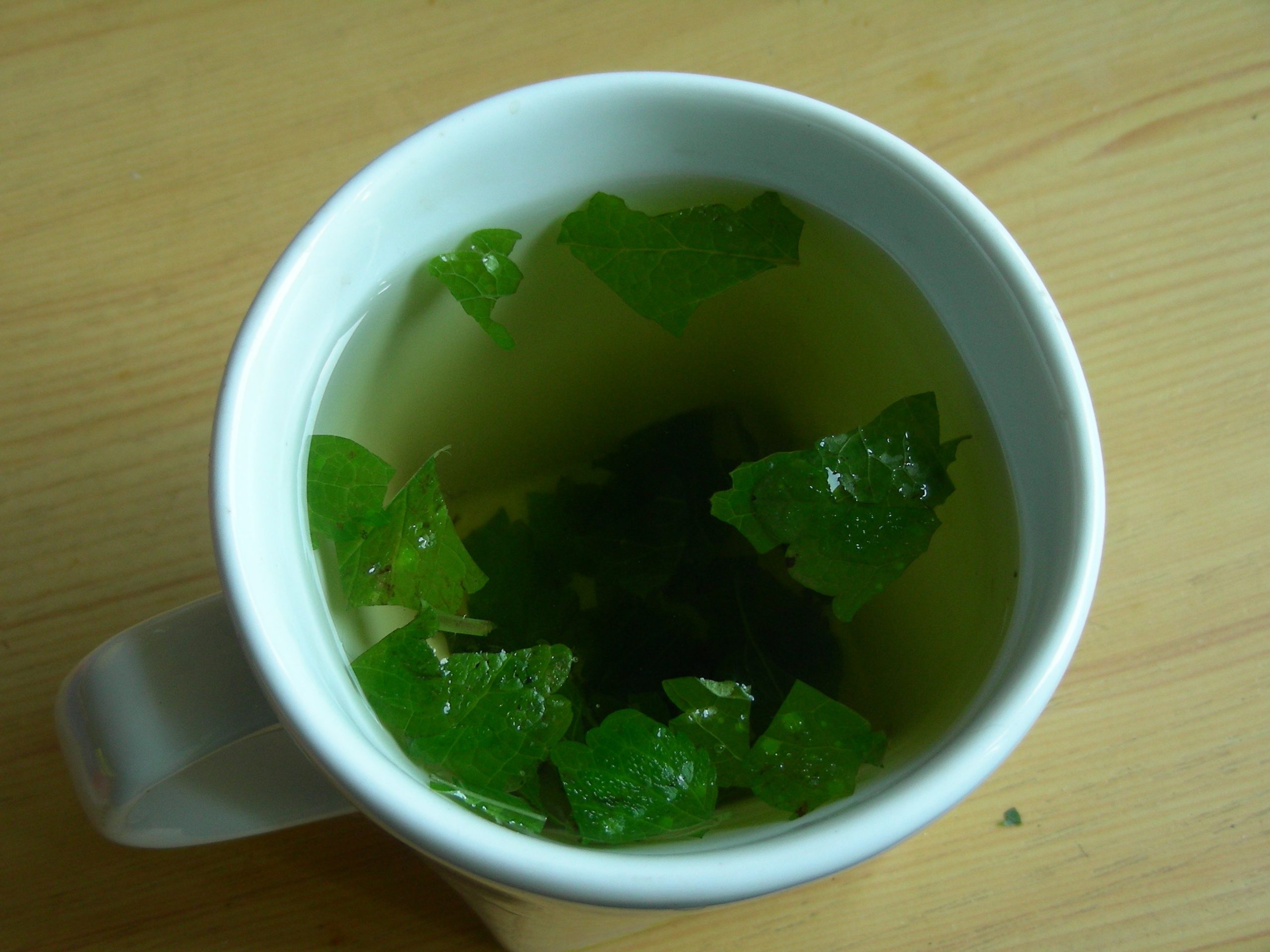
Herbal tea is a comforting, usually caffeine-free drink, but many of the claims made for it go further than the evidence. Strictly speaking, herbal “teas” are infusions of plants other than the tea plant, so they behave differently from black or green tea. Research summaries from the U.S. National Center for Complementary and Integrative Health find little solid evidence that common herbal teas treat specific conditions, and they flag a few safety points worth knowing, from allergies to medicine interactions. Enjoy them for flavor, warmth and ritual, and treat health promises with care.
Key takeaways
- Herbal infusions are not made from the tea plant, Camellia sinensis.
- Many are caffeine-free, but blends can include tea or other caffeinated plants, so read the label.
- Evidence that chamomile improves sleep is very limited.
- Most peppermint research is on the oil in capsules, not on peppermint tea.
- “Natural” does not mean risk-free: allergies, licorice and medicine interactions all deserve attention.
Myth: herbal tea is just another type of tea
Fact: It comes from different plants.
True tea, whether black, green, white or oolong, is made from the leaves and buds of Camellia sinensis. Our comparison of the main types of tea explains how processing turns one plant into many styles. Herbal infusions, often called tisanes, use other plants entirely: flowers such as chamomile and hibiscus, leaves such as peppermint and lemon balm, roots such as ginger and licorice. Calling them tea is everyday shorthand, and nobody minds, but it helps explain why they taste, brew and behave so differently.
Myth: every herbal tea is caffeine-free
Fact: Most familiar single-herb infusions are, but always check the blend.
MedlinePlus notes that caffeine occurs naturally in more than 60 plants, including coffee beans, tea leaves, kola nuts and cacao pods. A pure chamomile or peppermint infusion is a common choice when people want to avoid caffeine, but many shop-bought blends mix herbs with green or black tea, or with other plants that contain caffeine. If you are drinking herbal tea specifically to avoid caffeine, read the ingredient list. Our checklist for cutting back on caffeine shows how herbal infusions can help with a gradual reduction.
Myth: chamomile is a proven sleep remedy
Fact: The evidence is very thin.
The NCCIH page on chamomile says there is “very little information on chamomile’s effect on insomnia” and describes a 2019 review that found only one insomnia study, which showed no benefit. Preliminary studies suggest a chamomile supplement might help generalized anxiety disorder, but overall the research is not strong enough to rate chamomile for specific conditions.
That does not mean a cup before bed is pointless. A warm, caffeine-free drink can be part of a calming routine. Just do not expect it to work like a treatment, and talk to a health professional about persistent sleep problems.
Myth: peppermint tea is proven to settle digestion
Fact: Most of the evidence is for peppermint oil in capsules, not the tea.
According to NCCIH’s page on peppermint oil, research on peppermint leaf is very limited, and there is not enough evidence to say whether it helps any health condition. Most studies concern the oil, mainly in enteric-coated capsules, which have shown benefit for irritable bowel syndrome symptoms. Peppermint tea made from the leaves appears safe, though oral peppermint can cause heartburn in some people.
Myth: natural means safe for everyone
Fact: Herbs can cause reactions and interact with medicines.
| Herb | Safety point from NCCIH | What it means for you |
|---|---|---|
| Chamomile | Allergic reactions are possible, more likely in people allergic to ragweed, chrysanthemums, marigolds or daisies | Be cautious if you have those allergies |
| Chamomile | Interactions reported with some drugs, including the blood thinner warfarin | Check with a provider if you take medication |
| Peppermint | Possible heartburn, nausea or dry mouth when taken by mouth | Switch infusions if it disagrees with you |
| Licorice root | Glycyrrhizin has been linked to serious effects, especially with large amounts or long-term use, and in people with high blood pressure or heart or kidney conditions | Avoid regular large amounts, especially with those conditions |
NCCIH notes that chamomile is likely safe in the amounts found in teas and foods, and that peppermint tea appears safe. The cautions matter most for people with allergies, those taking medicines and those using large amounts. For pregnancy and breastfeeding, the agency’s pages say little is known about the safety of chamomile or of medicinal amounts of peppermint, so ask a health care provider.
Myth: herbal products are checked like medicines
Fact: Many are not reviewed before sale.
NCCIH points out that herbal products for oral use are often sold as dietary supplements, which the FDA does not approve before they go on sale; manufacturers are responsible for safety and labeling. Whatever you buy, it is wise to choose products that list their full ingredients.
Frequently asked questions
Is it fine to drink herbal tea every day?
For most people, common culinary herbs such as chamomile and peppermint in normal tea amounts are considered safe. Take more care with licorice root and with any herb if you take medicines.
Can herbal tea count toward daily fluids?
Yes. Herbal infusions are mostly water and, without caffeine, they are an easy way to drink more fluid.
What is a good herbal tea to start with?
Peppermint, chamomile and lemon balm are gentle, widely available choices. Brew a single herb first so you learn its flavor before trying blends.
Enjoying herbal tea sensibly
Choose herbal infusions for their flavor and the calm they bring, read labels for hidden caffeine and licorice, and ask a health professional before using herbs for a medical reason. For more on brewing and choosing tea of every kind, explore our tea section.