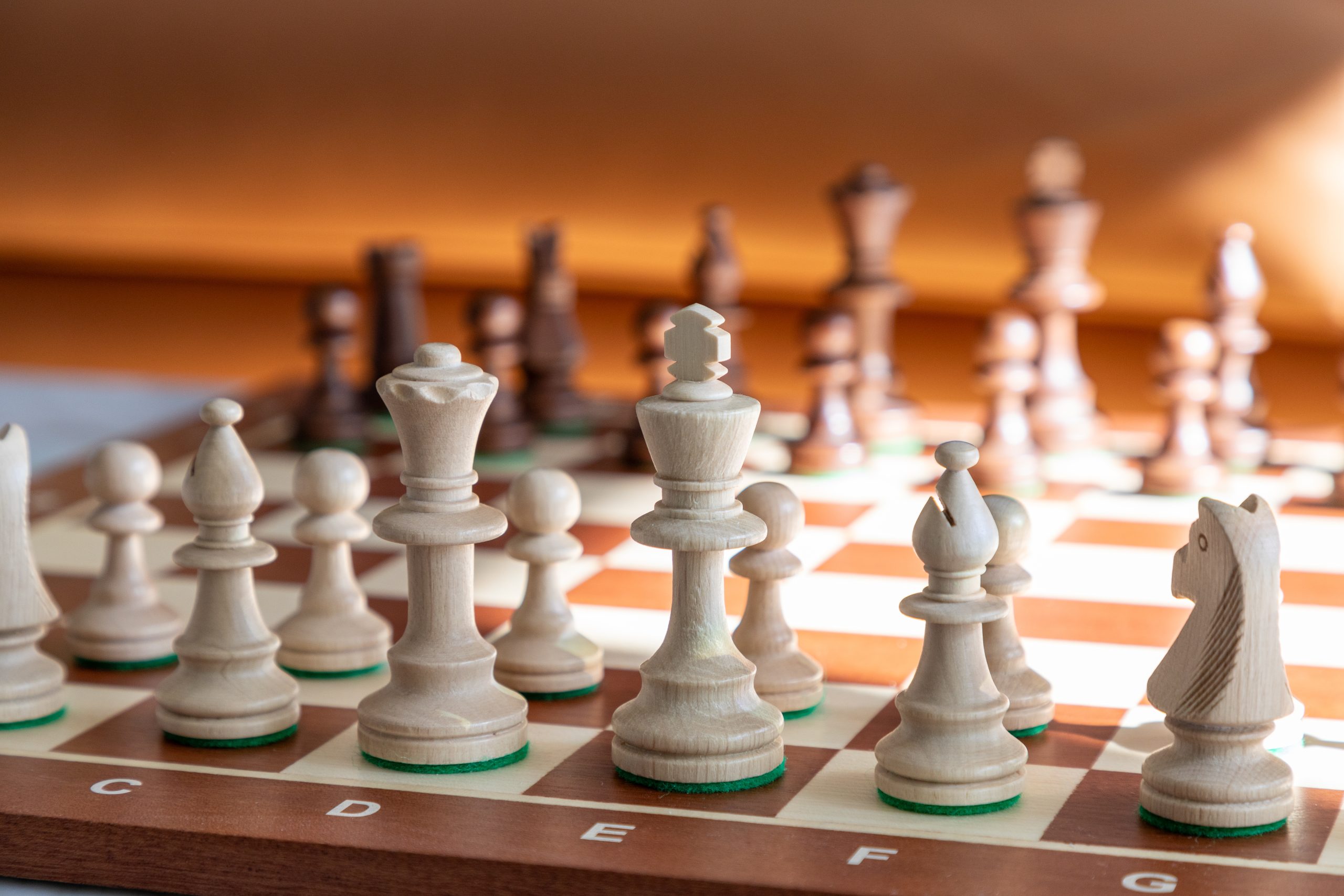
Chess and coffeehouses have been linked since the 18th century, when cafés in cities such as Paris became the places where serious players met, watched each other and played for hours over a single cup. Before formal chess clubs and tournaments were common, the coffeehouse gave players exactly what the game needs: a warm room, a table, time and an audience. The best-known example, the Café de la Régence in Paris, was founded in 1718 and stayed famous for its chess players for generations.
This explainer covers how that partnership began, the café that came to symbolize it, and what is left of the tradition now.
Key takeaways
- Coffeehouses offered space, time and company, which suited a long, quiet game.
- The Café de la Régence in Paris, founded in 1718, became a center of European chess.
- Composer and player François-André Philidor was its most famous regular.
- In the 19th century, many chess clubs developed in coffeehouses and taverns.
- Many colorful stories about famous café players are unverified, so treat them with care.
Why chess and coffeehouses go together
A coffeehouse sells a drink but rents out something else: a seat for as long as you want it. The Austrian heritage listing for Viennese coffee house culture puts it neatly, describing a place where time and space are consumed but only the coffee appears on the bill. That suits chess perfectly. A game can last an hour or more, needs a steady table and a calm room, and is more interesting with onlookers who can learn by watching.
The drink suited the game too. A cup of coffee or tea can be nursed slowly through a long middlegame, and a moderate amount of caffeine can make you feel more alert; for what it does and does not do for concentration, see our look at caffeine and focus.
The coffeehouse as a public room
Coffeehouses spread from the Middle East to Europe in the 16th and 17th centuries and by the end of the 17th century were flourishing in Britain and on the continent. They became places to read news, talk, do business and argue about politics, as our guide to coffee culture around the world describes for several living traditions. Board games fitted easily into that mix, and chess, with its prestige and its silent concentration, found a natural home.
The Café de la Régence in Paris
The most famous chess café of all opened in 1718 on the Place du Palais Royal. In April 2023, the City of Paris placed a commemorative plaque at No. 161 rue Saint-Honoré, where the café stood from 1855 to 1955. As the Belgian chess club KWABC’s report on the plaque ceremony records, the plaque describes the café as world famous for its chess players and for the celebrities who visited, naming Philidor, Rousseau, Robespierre, Bonaparte, Musset and Grévy.
Chess historians are careful with the stories that grew up around the café. Edward Winter’s chess history pages, for instance, note that a popular anecdote about Voltaire and Rousseau playing there has been repeated in books without a confirmed original source. The café’s importance is well established; some of the legends are not.
Philidor: musician and master
The café’s best-known regular was François-André Danican Philidor. Britannica’s biography of Philidor records that he was born in Dreux in 1726, trained in music in a well-known musical family, and turned to chess at 18 when a canceled concert tour left him stranded in the Netherlands. He went on to compete across Europe, was especially well received in England, published a chess book there, and later received a pension from the London Chess Club. In Paris he wrote successful operas, including Tom Jones in 1765. He died in London in 1795.
His double life says something about the coffeehouse world: the same rooms that hosted chess also hosted musicians, writers and politicians, and a player could be all of those things.
From café tables to chess clubs
In the 19th century, organized chess grew quickly. Britannica’s history of chess notes that chess clubs developed in coffeehouses and taverns in that century, and that women were often barred from those venues. By mid-century women were achieving distinction in chess on their own, and the first women’s chess clubs were organized in the Netherlands in 1847.
Over time, dedicated clubs, tournaments and eventually online play took over much of the serious game. Yet the habit of playing in public over coffee never disappeared.
Frequently asked questions
Can I play chess in an ordinary café today?
Often, yes, if the café is not busy. Some cafés keep a board or two for customers. Order as you would for any long stay, choose quiet hours, and give the table back when the room fills, as in our checklist for working from a cafe.
Is the Café de la Régence still open?
No. The plaque marks the site where it stood from 1855 to 1955 on rue Saint-Honoré; it is a commemoration, not a working café.
Did famous writers really play chess there?
Some certainly visited, and the 2023 plaque names several well-known patrons. Specific anecdotes about who played whom are harder to confirm, and chess historians treat many of them as unverified.
Set up a board this week
If you have a chess set gathering dust, take it to a quiet café one weekday afternoon, order something to sip slowly, and play a friend or invite a regular. It is a small way to join a tradition that is centuries old. More ideas for unhurried games and pastimes are in our leisure and games section.