The wine pairing basics come down to a few predictable interactions on your palate. Match the weight of the wine to the weight of the food. Use acidic wines with rich, fatty or fried dishes. Pair tannic reds with fat and protein, which soften them. Be careful with salt and heat, which exaggerate tannin and alcohol. And keep a dessert wine sweeter than the dessert. Work through those checks in order and you will land on a good match far more often than a list of “rules” by grape would get you.
Key takeaways
- Match body to body: light dishes with lighter wines, rich food with fuller wines.
- Acidity in the wine cuts through fat, cream and fried food.
- Fat and protein soften tannin; salt makes tannin feel harsher.
- Sweet wine calms spicy food; dessert wine should be sweeter than the dish.
- Pairing is a guide, not a test. A near miss rarely spoils a meal.
Why wine pairing basics work at all
Wine has a small set of structural elements: sweetness, acidity, bitterness and the drying sensation of tannin, plus alcohol and body. Food has its own sweetness, acidity, salt, fat and protein. When the two meet, they change how each other tastes.
A handout from the Virginia Tech enology group on matching food and wine describes this as a balance: in a wine, perceived sweetness sits against acidity plus astringency and bitterness. Reduce one side and the other seems stronger. Its tasting exercises show it plainly. Bite a lemon and then sip a wine, and the wine tastes sweeter and less acidic. Taste sugar first and the same wine seems sharper. The wine has not changed; your perception has.
That is the whole reason pairing works, and it is why the steps below focus on structure rather than on matching the name of a grape to the name of a dish.
Step 1: Match the weight
Think of body as the feeling of weight in your mouth. A delicate white fish and a big, oaky red tend to cancel each other out; a rich stew makes a light wine taste thin. The Virginia Tech material uses Chardonnay with cream cheese as its example of matching the weight of the wine to the texture of the food, noting that when the food is rich and the wine is not, the wine seems pale.
- Judge how heavy the dish is, including the sauce.
- Choose a wine of similar weight: light, medium or full.
- Remember that higher-alcohol wines generally feel fuller.
Step 2: Use acidity for rich and fried food
Acidity is what makes your mouth water. A guide from New Mexico State University’s viticulture extension notes that a tart, acidic wine will cut through a rich, oily or fatty dish, works well with butter- or dairy-based sauces and fried food, and that sparkling wine can be a good companion to salty snacks such as chips or roasted nuts. It compares a citrus-driven wine to squeezing lemon over food: it brightens the flavors.
One caution from the same principle: if the dish itself is very acidic, choose a wine with at least as much acidity, or the wine will taste flat.
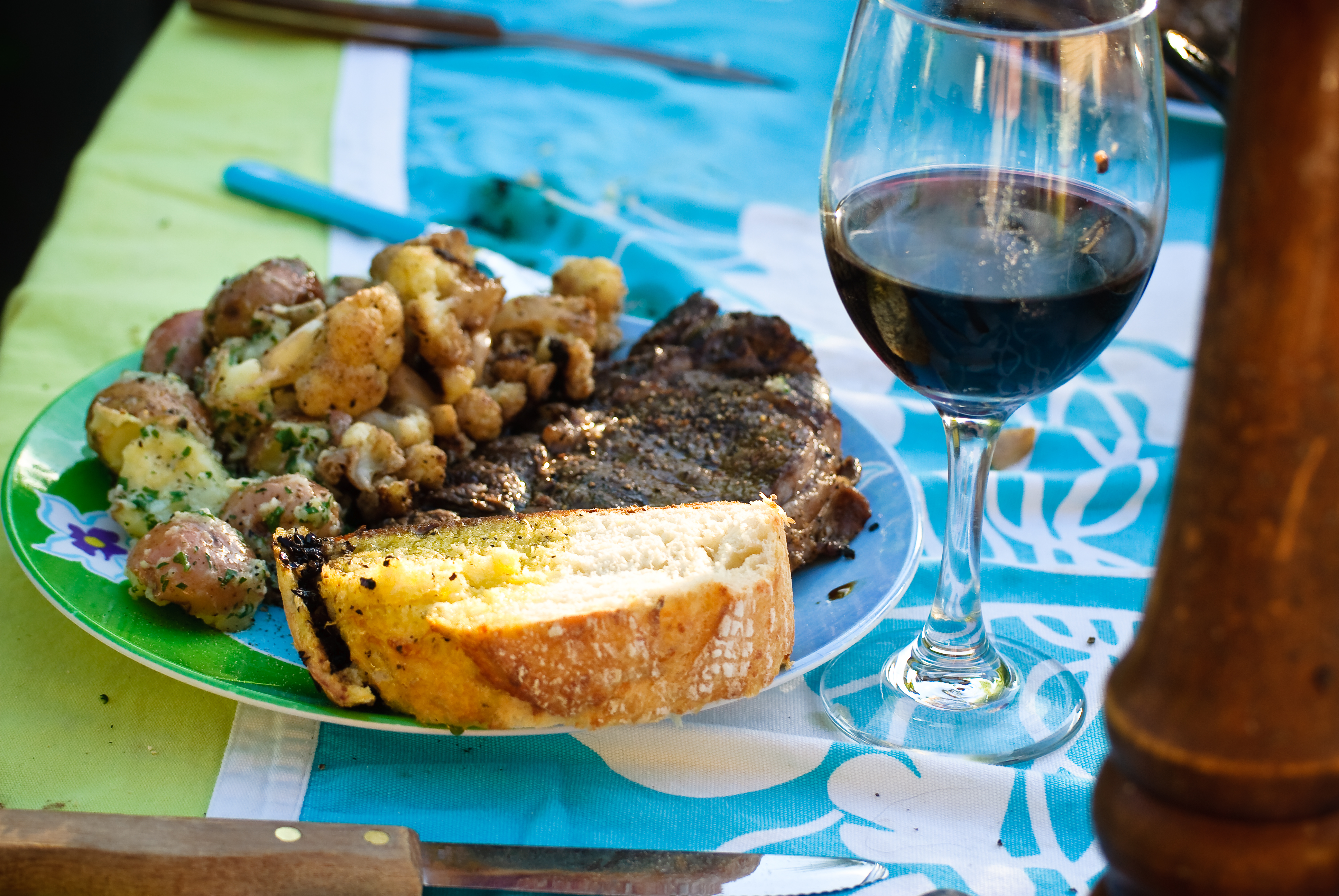
Step 3: Pair tannin with fat and protein
Tannin is the drying, gripping feeling a young red leaves on your gums. Fat and protein bind with tannin and mute it, which is why tannic reds and red meat are such a familiar pair. The NMSU guide adds that once the fat has softened the tannin, the fruit in the wine becomes easier to notice.
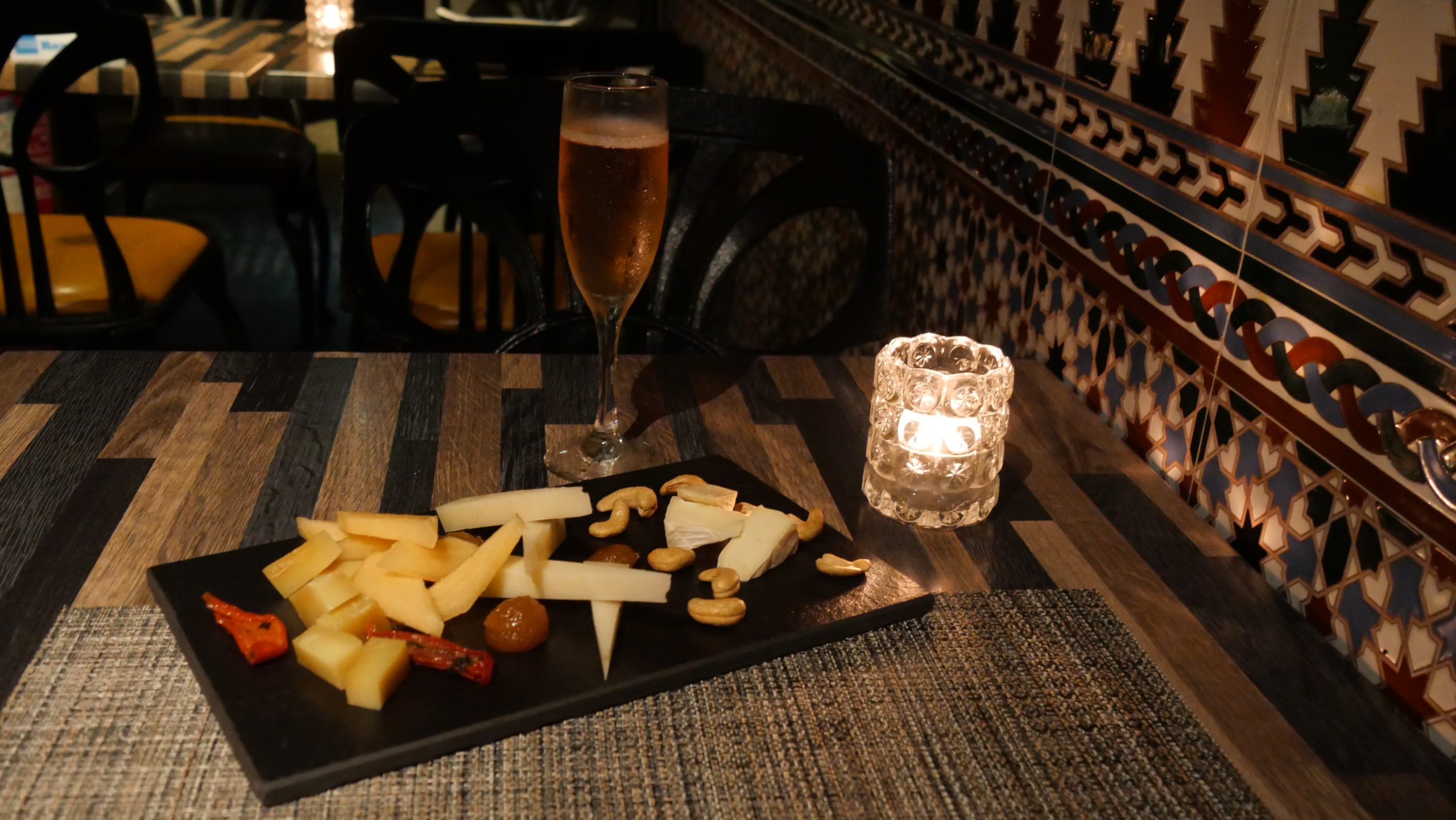
- With steak, lamb or hard aged cheese, a structured red is a safe choice.
- With lean or delicate dishes, choose a red with softer tannin, or a white.
- With fish, a light red or white is usually kinder than a tannic red.
Step 4: Watch salt, spice, alcohol and sugar
These elements can turn a good wine harsh or thin.
| Element in the food | Effect on the wine | What to choose |
|---|---|---|
| High salt | Magnifies rough tannin and acidity | Lower-tannin reds, sparkling or slightly sweet wines |
| Chili heat | High alcohol makes food seem spicier | Lower-alcohol, off-dry whites |
| Strong acidity | Makes wine taste flat | Wines with matching acidity |
| Fat and protein | Softens tannin and bitterness | Structured reds, full whites |
| Sweetness | Makes dry wine taste sour and thin | A wine at least as sweet as the dish |
The NMSU guide suggests an off-dry Riesling with spicy Thai food, and notes that salty food makes high-alcohol wine taste even more alcoholic. Virginia Tech observes that a little salt can be offset by some residual sweetness in the wine.
Sweetness deserves its own note because it is the most dependable rule of all. If a cake is sweeter than the wine, the wine will taste thin and bitter beside it. Choose a dessert wine that is clearly sweeter than what is on the plate, or skip wine with dessert and serve coffee instead.
Step 5: Decide between echo and contrast
Once structure is right, flavor is where you can play. You can echo a flavor (an earthy wine with mushrooms) or contrast it (a fresh, herbal white against a rich, earthy cheese). Both work. The point is to choose on purpose. The same side-by-side tasting habit that helps when comparing the types of tea helps here: pour two wines and taste each with a bite of the dish.
Frequently asked questions
Do I have to serve red wine with meat?
No. Weight and fat matter more than color. A rich white can suit roast chicken or pork, and a light red can suit salmon. Start from the structure of the dish, not the color of the wine.
What is the safest wine for a table ordering different dishes?
A wine with good acidity, moderate alcohol and soft tannin is the most flexible. Sparkling wine is a popular all-rounder because acidity and bubbles refresh the palate across many foods.
How much wine is one drink?
In the United States, the NIAAA’s definition of a standard drink is 5 fluid ounces of table wine at about 12% alcohol. Restaurant pours do not always match that, so pace yourself and keep water on the table.
Try it at your next dinner
Pick one dish you cook often and run through the steps: weight, acidity, tannin, salt and spice, sweetness. Choose a wine that fits, then taste with and without the food. It is the same calm approach that works when ordering at a specialty coffee shop: know what you like and ask a precise question. For more matches beyond wine, see our drinks and pairing guides.