Ordering at a specialty coffee shop is easier than the chalkboard makes it look. Decide first whether you want an espresso-based drink or a filter coffee, then choose how much milk you like, then let the barista guide you on beans. Those three choices cover almost every menu. The rest of the vocabulary (single origin, natural process, cortado) describes either where the coffee came from or how much milk goes in, and you can ask about any of it.
The steps below walk through the order in the same sequence you will meet it at the counter.
Key takeaways
- Choose the brewing style first: espresso-based or filter.
- Milk is the biggest variable in taste and texture, so decide how much you want.
- Tasting notes on the menu describe the coffee itself, not added syrups.
- Ask the barista one specific question rather than a general “what’s good”.
- If caffeine affects you, ask about decaf or a smaller drink.
Step 1: Read the specialty coffee shop menu in two halves
Most specialty coffee shop menus split into two families, even when they are not labeled that way.
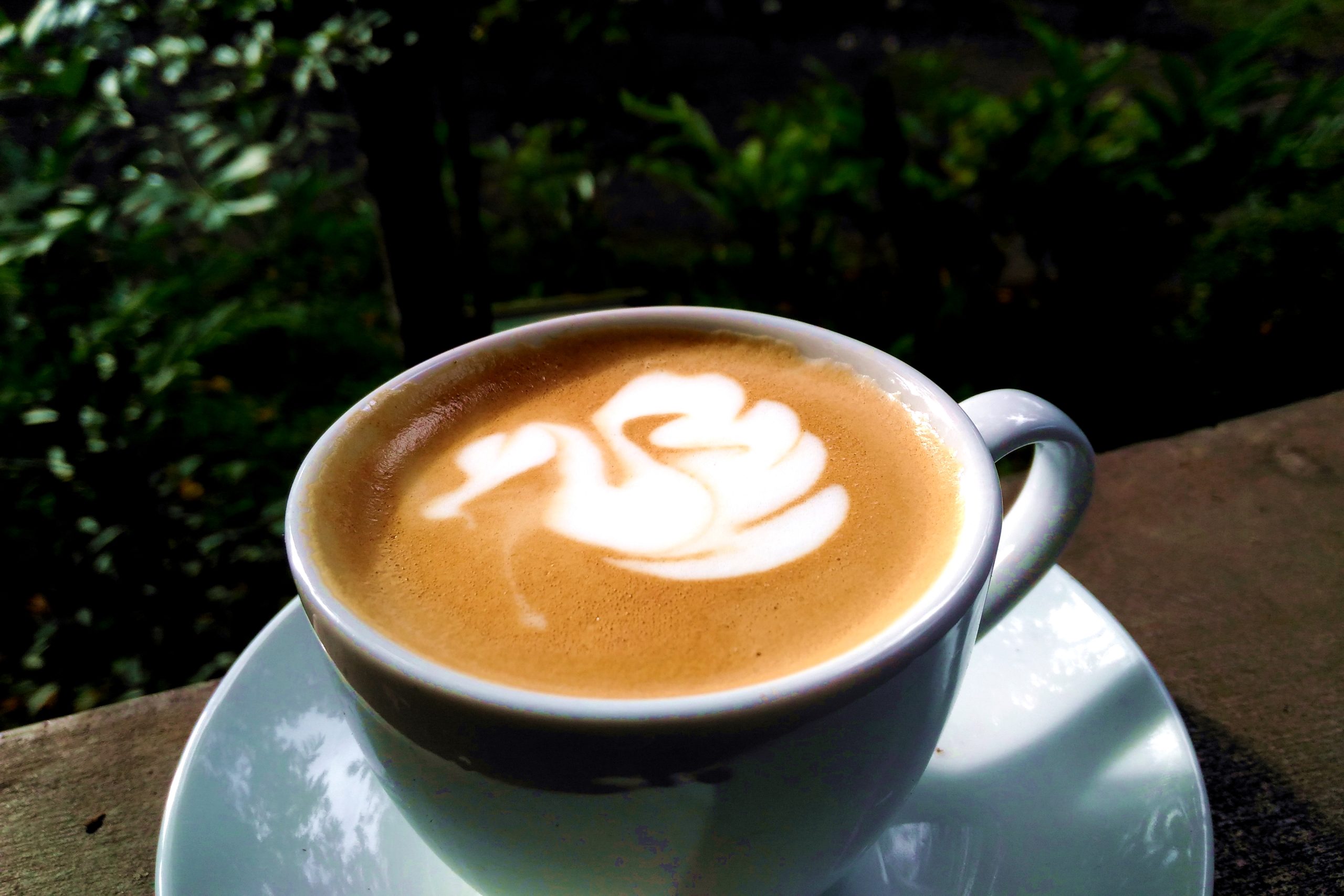
- Espresso drinks. A small, concentrated shot is the base, and the drink changes with the amount of milk or water added. Britannica’s entry on espresso describes it as a strong brew made by forcing hot water under pressure through finely ground coffee, and lists the familiar relatives: a cappuccino in equal parts espresso, steamed milk and frothed milk, a latte with one part espresso to two parts steamed milk under a thin layer of foam, a macchiato topped with a little foamed milk, and an Americano diluted with hot water.
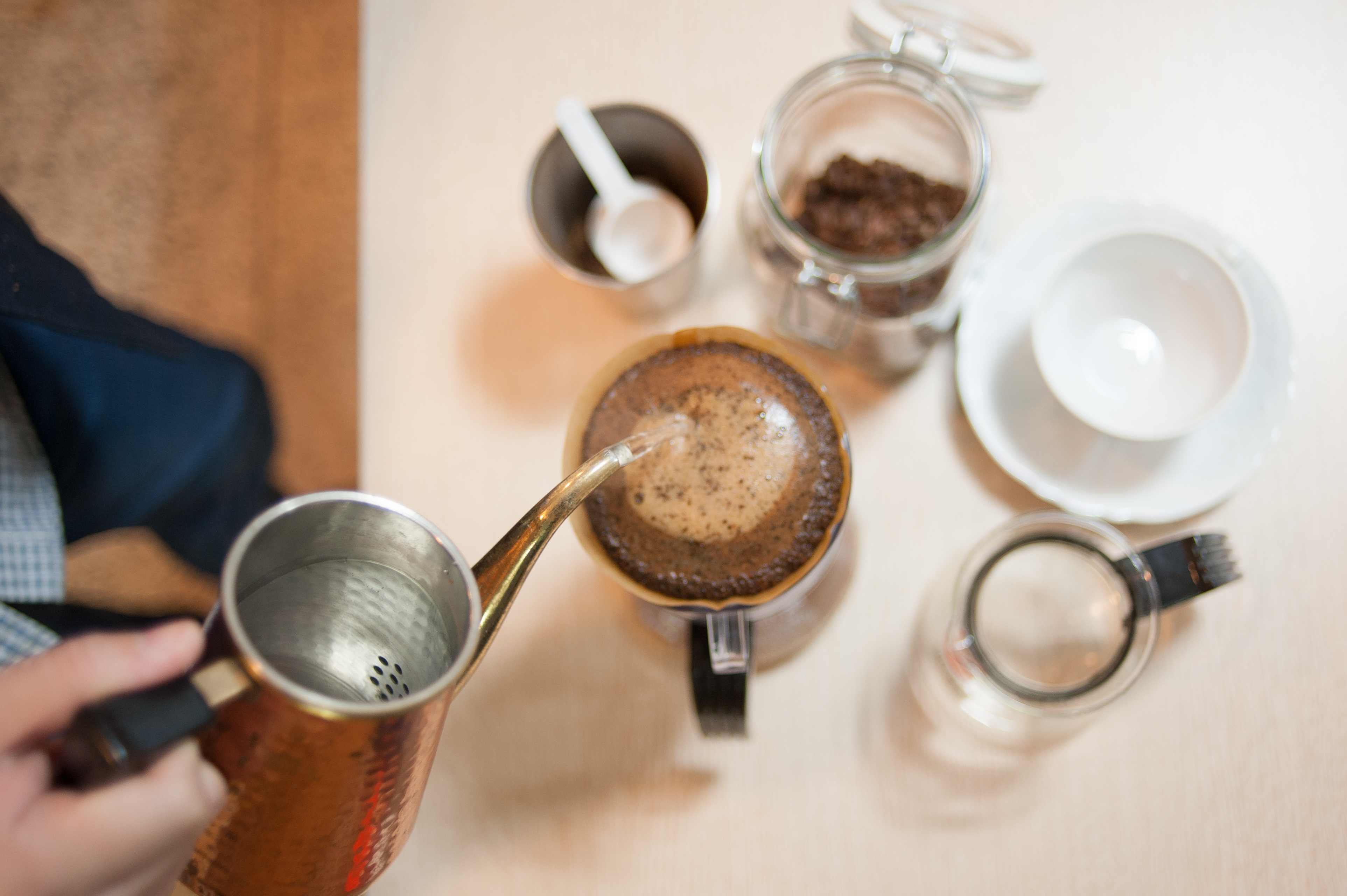
- Filter or brewed coffee. Hot water passes through ground coffee more slowly and without pressure. You may see it called pour-over, drip, batch brew or by the name of a brewing device. It tends to taste lighter in body and shows off the character of a single coffee.
Once you know which half you are in, the list shrinks fast.
Step 2: Decide how much milk you want
Milk softens bitterness and acidity and adds sweetness and texture. A rough way to place drinks on a scale:
| If you want | Look for | What it tastes like |
|---|---|---|
| No milk, very concentrated | Espresso | Small, intense, syrupy |
| No milk, a longer cup | Americano or filter coffee | Clearer flavor, more volume |
| A splash of milk | Macchiato or cortado | Coffee-forward, slightly rounded |
| Balanced coffee and foam | Cappuccino | Airy texture, noticeable coffee |
| Mostly milk | Latte | Mild, creamy, gentle |
Sizes vary between cafés, and the same name can mean slightly different ratios from place to place. If the menu does not list volumes, asking “how big is the cortado here?” is a normal question.
Plant-based milks behave differently when steamed and change the flavor. If you usually take oat or soy at home, mention it at the start so the barista can suggest a drink that suits it.
Step 3: Choose the beans, or let the barista choose
Specialty cafés often offer more than one coffee. You might see a house espresso and a rotating guest, or two or three filter options listed by country or farm. The words around them usually fall into a few groups:
- Origin. A country or region, sometimes a single farm or cooperative. “Single origin” means the coffee comes from one place rather than a blend.
- Process. How the fruit was removed from the seed after harvest. Washed coffees often taste cleaner and brighter; natural (dried in the fruit) coffees often taste fruitier. Treat these as tendencies, not rules.
- Tasting notes. Words like “stone fruit” or “cocoa” describe flavors the roaster finds in the coffee. Nothing has been added.
- Species. Most cafés use arabica. Britannica’s coffee entry explains that arabica and robusta supply almost all of the world’s coffee and that robusta carries about twice the caffeine.
You do not need to decode all of this. A good question is something like, “I usually like chocolatey coffee with milk; which espresso would you use?” Specific questions get specific answers.
Step 4: Think about caffeine before you order
A double espresso and a large filter coffee are very different doses. The FDA’s guide to caffeine gives 400 milligrams a day as an amount not generally associated with negative effects for most healthy adults, while noting that sensitivity varies widely. It also points out that decaf is not caffeine-free, typically carrying 2 to 15 milligrams per 8-ounce cup.
If you are ordering late in the day or are sensitive to caffeine, three easy adjustments help:
- Ask for a single shot instead of a double in milk drinks.
- Choose a smaller cup size.
- Ask whether the café keeps a decaf espresso or filter, since many specialty shops do.
Step 5: Place the order in one clear sentence
Put the details in the order the barista will make the drink: size, drink, milk, any change, and whether you are staying.
- “A small flat white with oat milk, for here.”
- “The pour-over from the second coffee, to go.”
- “A cortado, decaf, in a glass if you have one.”
If there is a queue, decide before you reach the counter. If the shop is quiet, it is perfectly fine to ask for a minute to look at the beans.
Step 6: Taste before you adjust
Specialty coffee is usually served without sugar on the side or with sugar kept at a separate station. Try a few sips first. Filter coffee in particular changes as it cools, often becoming sweeter and showing more fruit. If you still want sugar or extra milk after that, add it. Your cup is yours.
Frequently asked questions
Is it rude to ask for sugar or syrup at a specialty coffee shop?
No. Some shops keep a short menu without syrups, but asking is fine. If they do not offer something, they will say so, and you can choose a drink with more milk for natural sweetness.
What is the difference between a flat white and a latte?
Both are espresso with steamed milk. In many cafés the flat white comes in a smaller cup with a thinner layer of foam, so the coffee reads more clearly, but ratios vary from shop to shop. Asking how they make each one is the quickest way to know.
Why does filter coffee take longer than espresso?
Pour-over is brewed by hand, cup by cup, over a few minutes, while an espresso shot takes well under a minute. If you are in a hurry, ask whether there is a batch-brewed filter ready.
Your next order, simplified
At the counter, run through it in order: espresso or filter, how much milk, which beans, how much caffeine. Ask one specific question, taste before adjusting, and take note of what you liked so you can repeat it. More guides to how cafés work are collected in our café culture section.