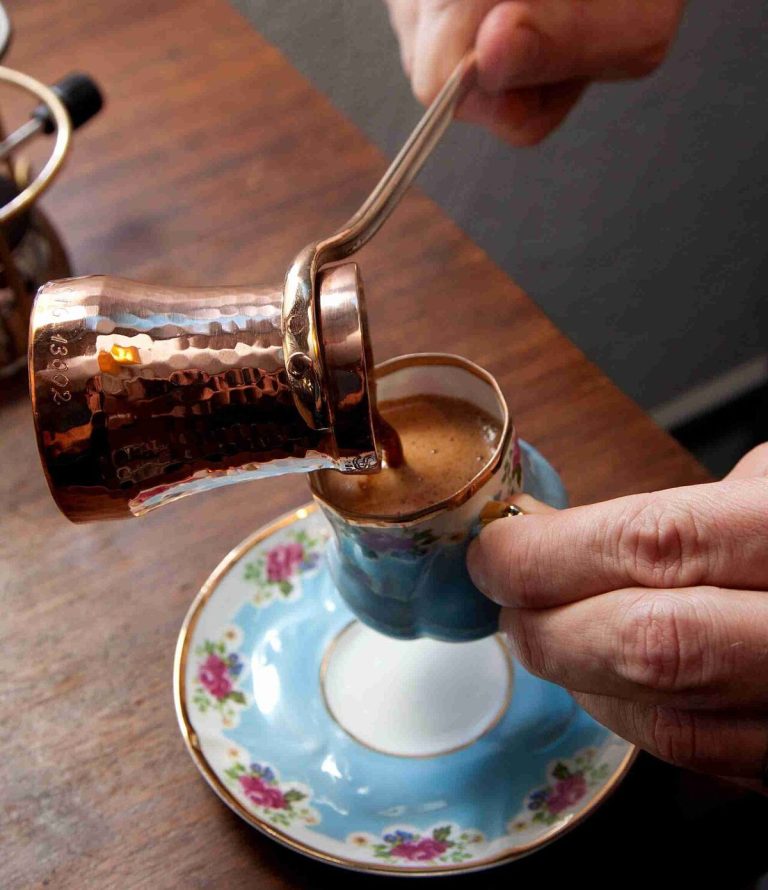
Coffee cupping is a simple, standardized way to taste coffee: you steep freshly ground coffee directly in hot water in a cup or bowl, let it settle, then smell and slurp it from a spoon to judge its aroma, flavor, acidity, body and aftertaste. Professionals use it to compare and score coffees, but you can do a relaxed version at home with a few bowls, a kettle, spoons and two or three different bags of beans. Doing every cup the same way is what makes the comparison useful. This how-to walks you through each step, what to look for and how to turn your notes into better buying decisions.
Key takeaways
- Cupping steeps ground coffee directly in hot water, so every coffee is brewed the same way.
- Smell the dry grounds, then the wet coffee, before tasting.
- Slurp from a spoon to spread the coffee across your tongue.
- Compare two or three coffees side by side and take short notes.
What coffee cupping is for
The encyclopedia entry on coffee cupping describes it as the practice of observing the tastes and aromas of brewed coffee. Tasters deeply sniff the coffee, then slurp it from a spoon so it is aerated and spread across the tongue, judging qualities such as body, sweetness, acidity, flavor and aftertaste. Because coffees carry flavors from where they are grown, cuppers may also try to identify a coffee’s origin.
The Specialty Coffee Association, which publishes the industry’s cupping protocol, explains in an overview of its updated assessment that its protocol had been used for close to 20 years with few changes and was being developed into a new Coffee Value Assessment. The sections it names include fragrance and aroma, flavor, aftertaste, acidity and mouthfeel. You do not need the formal score sheet at home, but those categories make a good checklist.
Step 1: Gather your equipment and coffee
- Two or three coffees to compare, ideally whole beans
- A grinder
- Identical cups or small bowls, one or two per coffee
- A kettle
- Soup spoons, and a cup of clean water to rinse them
- A kitchen scale, if you have one
- A notebook and a spare cup to spit into if you are tasting several coffees
Pick coffees that are clearly different for your first session, such as two origins or a light and a dark roast, so the contrasts are easy to notice. Then grind and smell. Weigh the same amount of coffee into each cup, so the comparison is fair. Grind each coffee just before you start, medium-coarse, and rinse the grinder between coffees by grinding a few beans of the next one and discarding them. Smell each cup of dry grounds and write a word or two: nutty, fruity, floral, chocolatey.
Step 2: Pour and wait
Heat water to just below boiling and pour the same amount into each cup, filling to the same level. Start a timer. A crust of grounds forms on top. Leave the cups alone for a few minutes while the coffee steeps, using the same time for every cup.
Step 3: Break the crust and skim
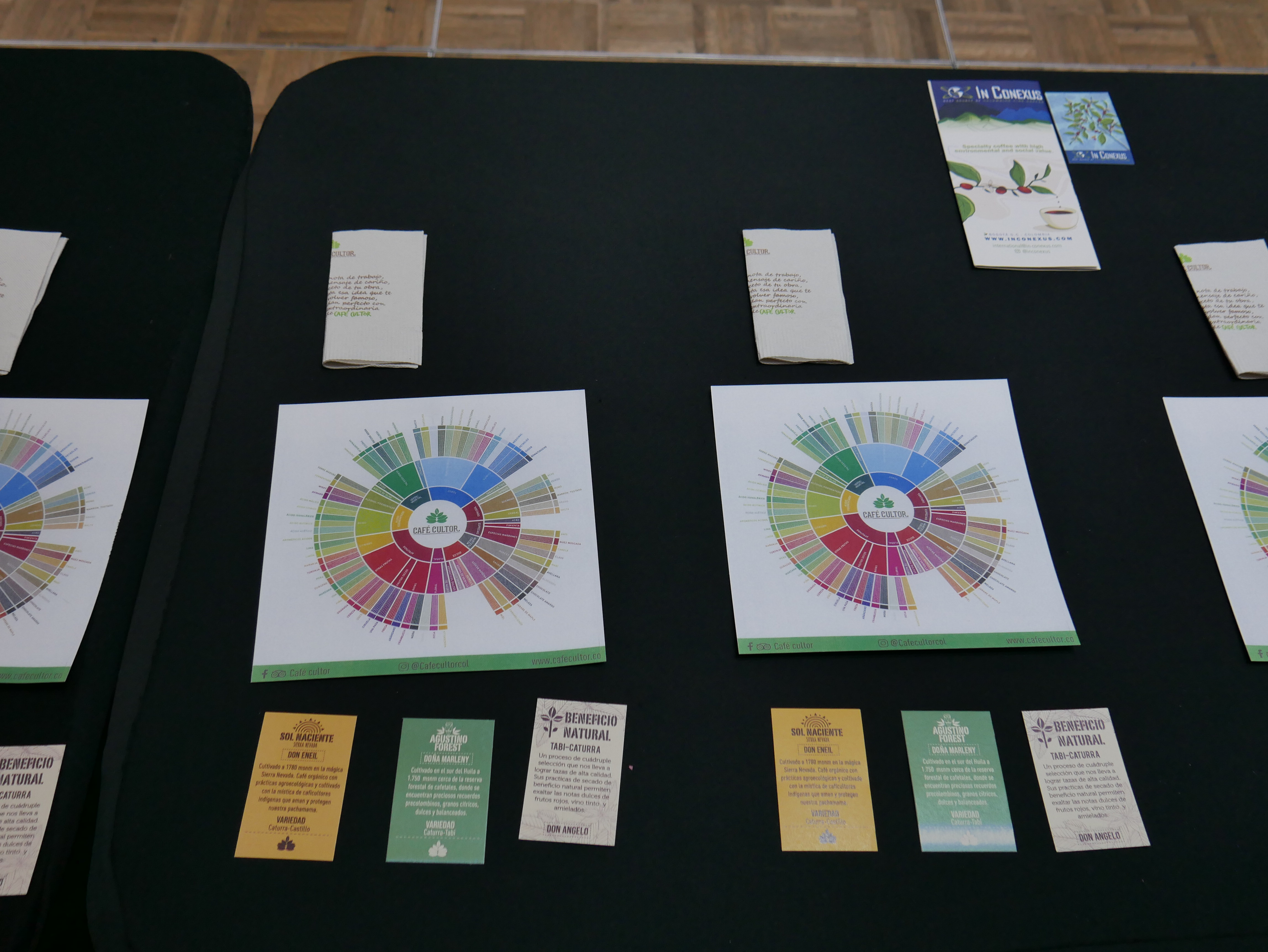
Lean close to the first cup and push the crust gently with a spoon, breaking it while you breathe in the aroma that is released. Stir lightly, then rinse the spoon. Repeat for each cup. Once the grounds settle, use two spoons to skim off any foam and floating grounds, rinsing between cups. Skimming keeps grounds out of your spoon later, so take your time and treat every cup the same way.
Step 4: Slurp and compare
Wait until the coffee has cooled a little so you do not burn your mouth. Take a spoonful and slurp it quickly and loudly, which sprays the coffee across your palate. Move between coffees, tasting each several times as it cools, because flavors change. Note how each one tastes on these points:
| Quality | What to ask yourself |
|---|---|
| Aroma | What do you smell, and is it strong or faint? |
| Flavor | Which tastes stand out: fruit, chocolate, nuts, spice? |
| Acidity | Is it bright and lively, or soft and flat? |
| Body | Does it feel light and tea-like, or heavy and syrupy? |
| Aftertaste | Is the finish pleasant, and how long does it last? |
| Sweetness | Does it taste naturally sweet without sugar? |
Step 5: Turn notes into choices
Look at your notes and pick a favorite, then think about why. If you liked the brighter coffee, you may prefer lighter roasts or certain origins; if you preferred the fuller one, try darker roasts or different beans. Our comparison of arabica and robusta explains one major source of difference. Many independent cafes and roasters run public cupping sessions too, and our guide to what makes a specialty coffee shop suggests what to look for in one.
Frequently asked questions
Do I need special cupping bowls?
No. Any identical cups or small bowls work, as long as each coffee is brewed in the same type and size of vessel.
Why slurp so loudly?
Slurping draws air with the coffee and spreads it across your tongue, which makes aromas and flavors easier to pick out.
How many coffees should I compare?
Two or three is plenty for a home session. More than that can tire your palate.
Your first cupping
Choose two coffees, brew them the same way, smell, slurp and take notes. After a session or two, coffee cupping will change how you read coffee labels and what you order at a cafe. For more on coffee shops and the culture around them, explore our cafe culture guides.