Gaming and caffeine can work together if you plan the session rather than reaching for another can every hour. Decide your total for the day before you start, spread it out in small amounts, keep water and caffeine-free drinks on hand, and stop caffeine well before you plan to sleep. For most healthy adults, U.S. and European regulators use 400 milligrams a day as a reference point, while single doses of up to 200 milligrams are considered safe, so the aim is a steady, moderate pace rather than a spike. Teenagers need a different approach.
Use this checklist for a long video game session, a tabletop campaign or a weekend tournament.
Key takeaways
- Set a caffeine budget before you start, and pace it in small amounts.
- Energy drinks vary widely in caffeine; check the label and count them in your total.
- Stop caffeine in the afternoon or early evening if you plan to sleep after the session.
- Keep water and caffeine-free drinks within reach for the hours in between.
- Children and teens should avoid energy drinks entirely.
Before the session: plan your gaming and caffeine budget
- Know the reference points. The U.S. Food and Drug Administration cites 400 milligrams a day as an amount not generally linked to negative effects for most healthy adults (FDA caffeine guide). The European Food Safety Authority says single doses of up to 200 milligrams are of no safety concern for healthy adults (EFSA on caffeine).
- Count what you have already had. Morning coffee and afternoon tea count toward the same total.
- Choose your drinks in advance. Decide which caffeinated drinks you will have and when, so you are not deciding at 1 a.m.
- Check your sensitivity. If caffeine makes you jittery or anxious, set a lower budget. Our look at caffeine and focus explains why more caffeine does not always mean sharper play.
Know what is in the can
- Energy drinks vary a lot. The FDA reports roughly 54 to 328 milligrams per 16 fluid ounces, and notes there is no regulation specific to energy drinks.
- Read the label. Check the caffeine figure and the serving size, and count the whole can if you drink the whole can.
- Watch the extras. Many energy drinks are high in sugar as well as caffeine.
- Never use pure or highly concentrated caffeine powders. The FDA warns that toxic effects, such as seizures, can occur with rapid consumption of around 1,200 milligrams, which is less than half a teaspoon of pure caffeine.
- Compare with ordinary drinks. Coffee and tea can do the same job more gently; our guide to caffeine content in coffee and tea gives typical figures.
During the session: pace yourself
- Small and spaced beats large and fast. A cup of tea or a small coffee every few hours keeps you steadier than one huge dose.
- Alternate with water. Keep a full water bottle at your desk or table and refill it at every break.
- Use breaks well. Stand up, stretch and step away from the screen or table between rounds.
- Eat real food. A proper meal helps more than more caffeine when energy dips.
- Listen to warning signs. The FDA lists a fast heart rate, palpitations, insomnia, jitters, anxiety, nausea and headache among the effects of too much caffeine. If you notice them, stop for the night.
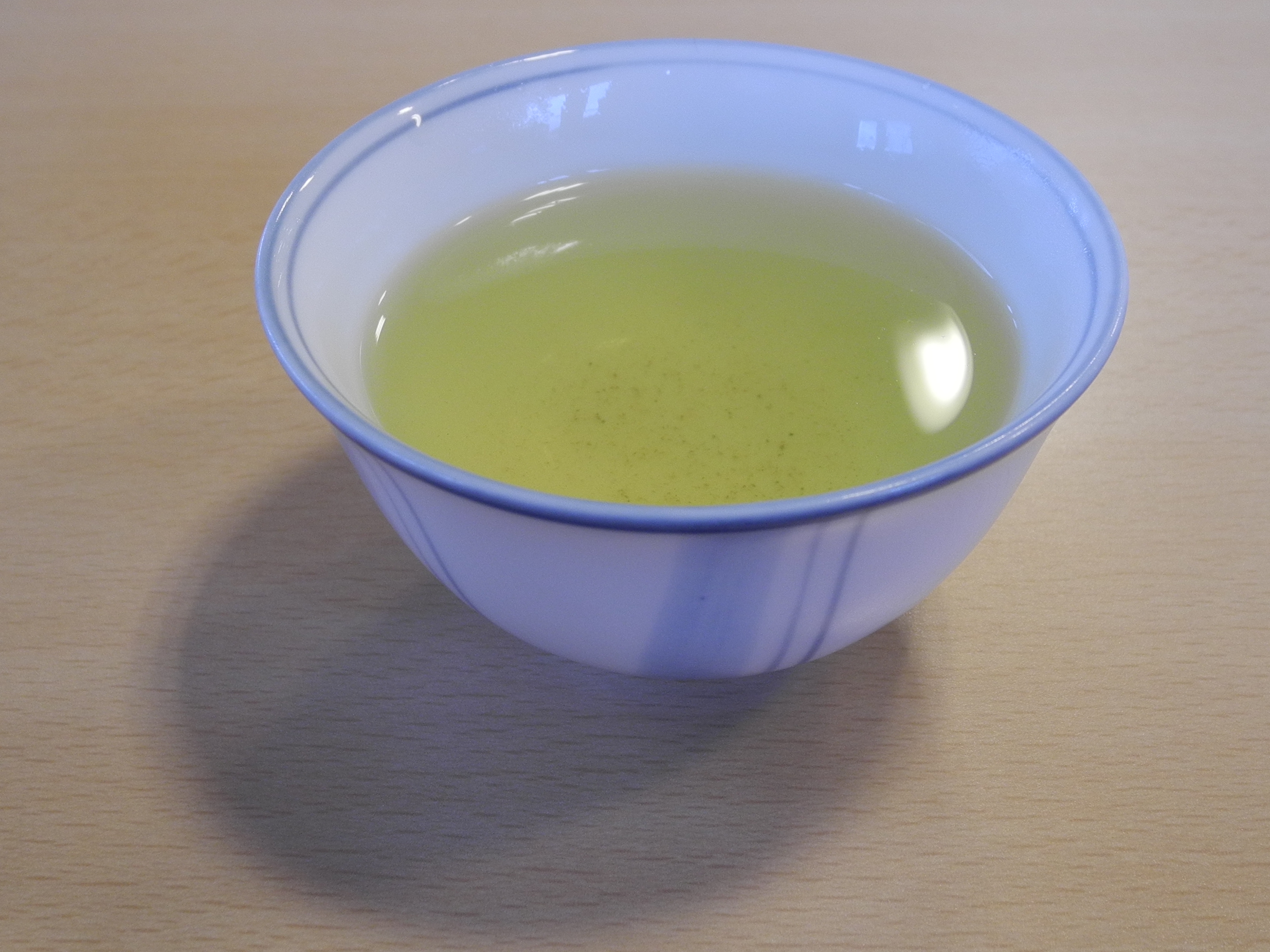
Caffeine-light drinks for long nights
| Drink | Caffeine level | Why it suits a long session |
|---|---|---|
| Water, still or sparkling | None | Keeps you hydrated between other drinks |
| Herbal infusions such as rooibos or peppermint | None | Warm and comforting with no caffeine |
| Green tea | Lower than coffee | A gentle lift you can sip slowly |
| Decaf coffee | Very low | Keeps the coffee ritual late in the evening |
| Black tea | Moderate | A middle ground for the afternoon |
| Regular coffee | Higher | Best kept to the start of the session |
Protect your sleep afterward
- Set a caffeine cut-off. The Centers for Disease Control and Prevention recommends avoiding caffeine in the afternoon or evening as part of good sleep habits (CDC on sleep).
- Know what you need. The CDC recommends 7 or more hours a night for adults aged 18 to 60 and 8 to 10 hours for teens aged 13 to 17.
- Power down first. The CDC also suggests turning off electronic devices at least 30 minutes before bed.
- Do not chase sleep with alcohol. The CDC advises avoiding alcohol before bedtime too.
- Plan the next day. If a tournament runs late, keep the following morning light rather than starting with a double espresso.
Gaming with teenagers
- Skip energy drinks. The FDA notes that the American Academy of Pediatrics advises against energy drinks for children and teens because of their sugar and caffeine.
- Keep caffeine modest. EFSA proposes about 3 milligrams per kilogram of body weight per day as a safe level for children and adolescents.
- Offer good alternatives. Water, milk, diluted juice and caffeine-free teas work well for long sessions.
- Agree on an end time. Teenagers need 8 to 10 hours of sleep, which is easier to protect with a clear finish.
Frequently asked questions
Do energy drinks improve gaming performance?
They supply caffeine, which can increase alertness for some people, but they also vary widely in dose and often add sugar. A measured amount of coffee or tea can provide a similar lift with fewer surprises.
How late can I have caffeine before sleeping?
It varies by person. The CDC recommends avoiding caffeine in the afternoon or evening, and EFSA notes that even 100 milligrams close to bedtime may affect sleep in some adults.
What should I do if I have had too much?
Stop caffeine for the day, drink water, eat something and rest. Seek medical help if you have chest pain, a racing heart that does not settle or other severe symptoms. If you regularly overdo it, our checklist for cutting back on caffeine can help.
Your plan for the next long session
Write your caffeine budget on a sticky note, line up water and a caffeine-free drink next to your first coffee or tea, and set a cut-off time that leaves room for proper sleep. For more ideas on drinks, games and downtime, browse our leisure and games section.