All the main types of tea come from the same plant, Camellia sinensis. The differences you taste between black, green, oolong, white, yellow and dark tea come mainly from processing, above all from how much the leaf is allowed to oxidize after picking. Black tea is fully oxidized, green tea is not oxidized at all, oolong sits in between, white tea is simply dried, and dark teas such as pu-erh are aged. Learn that one idea and a long tea menu becomes much easier to read.
Herbal infusions like chamomile or rooibos are not made from the tea plant, so they sit outside this comparison.
Key takeaways
- Black, green, oolong, white, yellow and dark teas all come from Camellia sinensis.
- Oxidation is the main dividing line: none for green, partial for oolong, full for black.
- White tea has the simplest process; pu-erh is aged, sometimes for years.
- Green tea wants cooler water than black tea, so brewing temperature matters.
- Each type contains caffeine, though amounts vary with leaf and brewing.
One plant, six families
Britannica’s article on tea describes two main varieties of the plant: a small-leaved China type and a large-leaved Assam type, plus hybrids. Most production stays within the plant’s native range in Asia, with significant growing in parts of Africa and South America.
What happens after picking decides the family. Leaves are typically withered to lose moisture, rolled, sometimes left to oxidize, and then heated or dried to stop the process. Skip or shorten a stage and you get a different tea. Tea drinkers often speak of “fermentation” here, but for most teas the change is enzymatic oxidation, the same browning you see on a cut apple.
The types of tea side by side
The table brings together processing details from the UK Tea and Infusions Association’s guide to tea types and its brewing advice.
| Type | Oxidation | How it is made | What to expect | Brewing water |
|---|---|---|---|---|
| White | Very little | Young buds and leaves gathered and dried, often in the sun | Pale liquor, delicate and soft | Follow the pack; usually below boiling |
| Green | None | Leaves steamed or pan-fired to stop oxidation, then rolled and dried | Fresh, vegetal or toasty depending on method | Around 80°C (176°F) |
| Yellow | Minimal | Similar to green, with an extra “sweating” stage | Mellow; very rare outside China | Treat like green |
| Oolong | Partial, roughly 10% to almost 80% | Withered, rolled to bruise the leaf, oxidized, then heated | Ranges from floral and light to roasted and dark | Check the pack; often just off the boil |
| Black | Full | Withered, rolled, fully oxidized, then dried | Brisk, malty or smoky; takes milk well | 90 to 98°C (194 to 208°F) |
| Dark (pu-erh) | Fermented and aged | Pressed or loose leaf aged under controlled conditions | Earthy, mature, smooth | Check the pack |
A few notes on the less familiar rows. The association describes yellow tea as making up less than 1% of China’s production, grown mainly in Anhui and Hunan. Oolong is split into styles by how far oxidation goes, from lightly oxidized bao zhong at 10 to 18% to traditional dark oolongs at 40 to 60%. Raw pu-erh is aged for years, while ripe pu-erh is fermented deliberately over several weeks to reach a similar mellow character much faster.
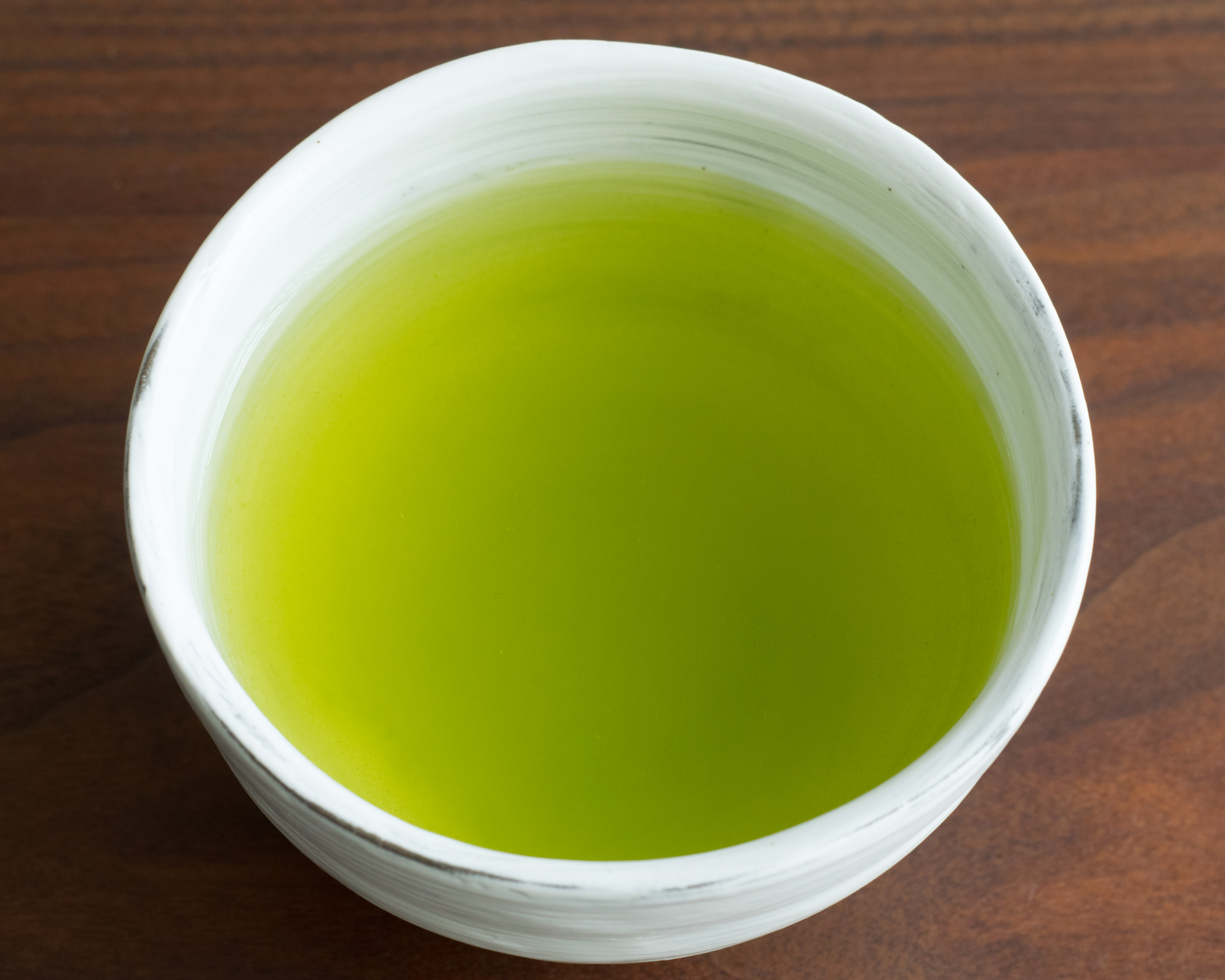
Green and white: the lightly handled teas
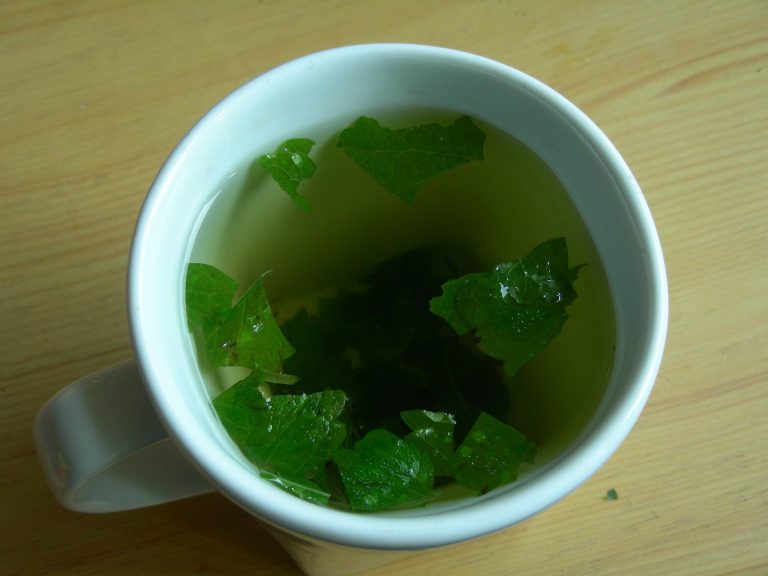
Green tea is defined by speed. Heat is applied soon after picking, either by steaming (the method behind Japanese teas such as sencha) or by pan-firing in a wok or machine, and that stops the enzymes that would darken the leaf. Steamed teas often taste grassy and marine; pan-fired teas lean toward toasted or nutty. Because the leaf is tender, very hot water can pull out bitterness, which is why cooler water is recommended.
White tea is even simpler: buds and young leaves are dried with little else done to them. Silver Needle is made from buds alone, while White Peony includes a few young leaves. Expect a light, gentle cup that rewards attention rather than milk.
Oolong and black: the oxidized teas
Oolong is the broadest family, which is why two oolongs can taste nothing alike. Tightly rolled, lightly oxidized oolongs can be floral and creamy; darker, longer-oxidized and roasted ones taste of stone fruit, toast or honey.
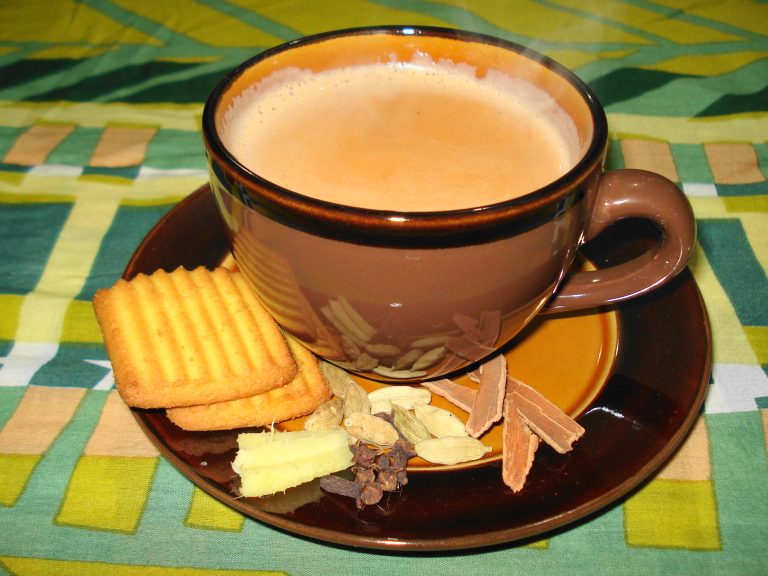
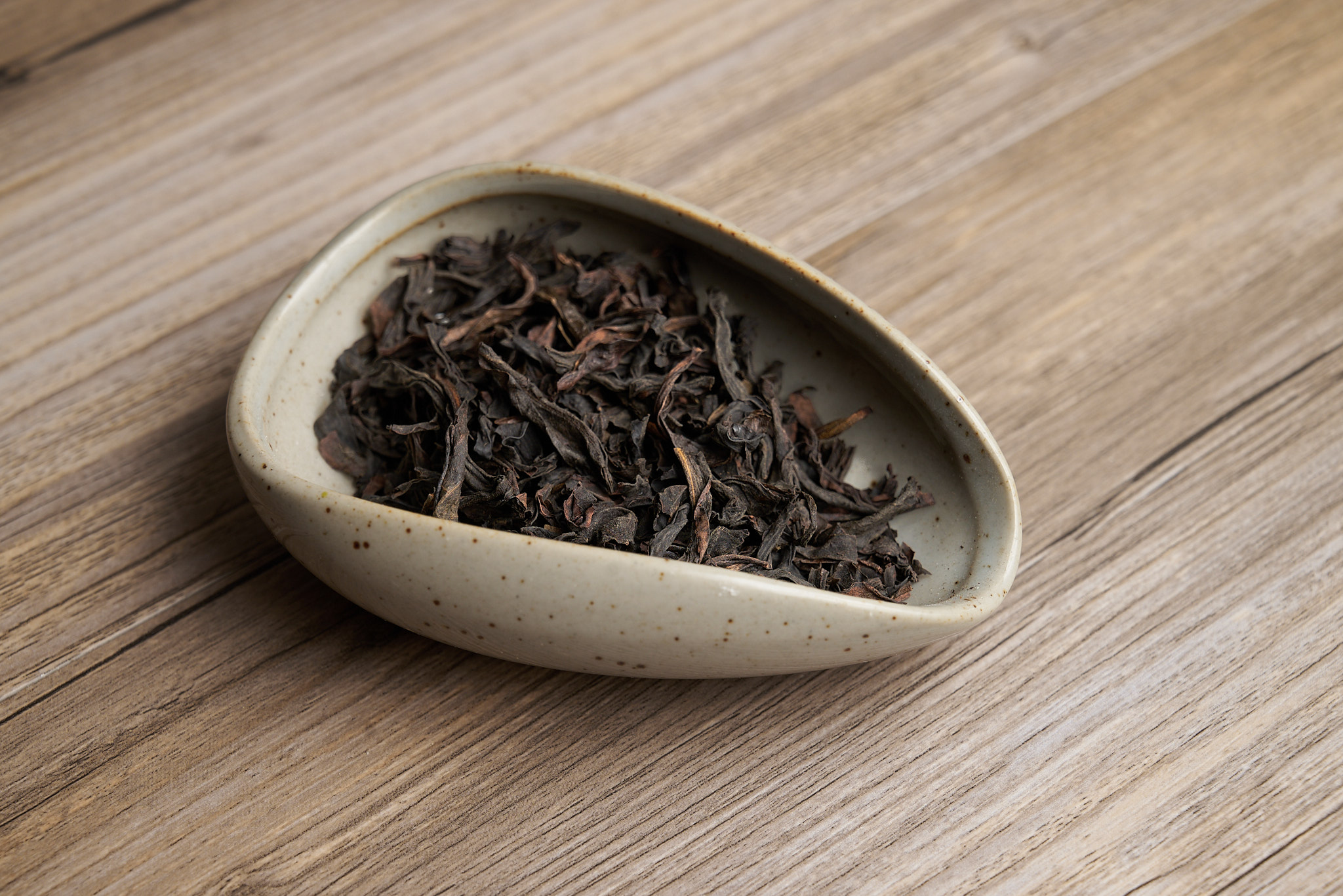
Black tea goes through every stage. Fully oxidized leaves give the deep red-brown cup most people in Europe and North America grew up with. Single-origin black teas such as Assam, Darjeeling and Ceylon each have their own character, and blends like English Breakfast and Earl Grey are built on them. Black tea is the type most often served with milk.
Caffeine across the types of tea
Every true tea contains caffeine, but it is hard to rank types neatly because leaf grade, amount and steeping time all change the result. As a reference point, the FDA’s caffeine guide lists about 71 milligrams in 12 fluid ounces of black tea and about 37 milligrams in the same amount of green tea. Brewing longer or with more leaf raises the figure for any type. If you want a caffeine-free cup, choose an herbal infusion instead.
How to choose between them
- You like coffee with milk: start with a robust black tea.
- You want something light with food: try a green or a lightly oxidized oolong.
- You enjoy savoring a cup slowly: white tea or a high-grade oolong, brewed carefully.
- You like earthy flavors: dark tea such as pu-erh.
If you mostly drink tea at cafés, the same habit that helps with ordering at a specialty coffee shop applies: tell the person behind the counter what you usually enjoy and let them point you to a leaf.
Frequently asked questions
Is herbal tea a type of tea?
Not in the strict sense. Herbal infusions are made from other plants, flowers or roots. They are often called tea in everyday speech, but they do not come from Camellia sinensis.
Can the same leaf become green or black tea?
Yes, in principle. The plant is the same; processing decides the result. In practice, growers choose varieties and picking standards that suit the tea they intend to make.
Which type of tea has the most caffeine?
It depends more on how much leaf you use and how long you steep it than on the type. Black tea brewed strong for several minutes will usually be higher than a short, cool green tea infusion.
A simple way to start tasting
Buy a small amount of three types, say a green, an oolong and a black, and brew each at its recommended temperature on the same afternoon. Tasting them side by side teaches you more than any chart. For more on leaves, brewing and tea traditions, browse our tea section.